

Lynn Larkin chats with Méabh O’Hare about Traveller music, storytelling and the making of her documentary Ag Taisteal Siar, which is available to watch on the TG4 player now.
Méabh O’Hare is a Belfast-based producer and director working across Irish-language television and documentary. With a strong focus on music, culture and storytelling, her work explores Ireland’s rich artistic heritage and contemporary creative scene, often through the lens of traditional music and its wider social and political context. Having produced work for broadcasters, Méabh is particularly interested in amplifying underrepresented voices.
Her latest documentary is a beautifully atmospheric exploration of Traveller music, storytelling and identity. From its opening moments, the film establishes a strong, reflective tone, pairing slow-moving shots of the Irish landscape with mournful instrumental music. The cinematography is striking throughout, lingering on rolling hills, grey skies and winding roads, while archival footage is woven seamlessly through the film. Ag Taisteal Siar looks at Traveller storytelling - celebrating the songs, poetry and memories passed down through generations with care.
What first drew you to this story was a long-held belief that the Traveller community has had a profound and often under-acknowledged influence on Irish culture, particularly in music.
For years, I felt that this was a part of Irish society that had been consistently misrepresented and misunderstood, and that there was a real need to tell a more truthful, more nuanced story. In fact, one of the first documentary series I worked on for TG4 explored the Traveller community and their contribution to Irish traditional music. That experience stayed with me. It opened my eyes not just to the richness of the tradition, but to the depth of knowledge, artistry and lived experience within the community. So when DoubleBand Films approached me about directing a feature documentary, I was genuinely excited by the opportunity to return to this subject, almost twenty years on, and to ask what had changed, what had endured, and what still needed to be said.
From an early stage in the production, our entire team, led by our producer Mary Johnston, shared a clear intention: we wanted to tell a story that was grounded in respect and authenticity, but also one that was ultimately positive. We were keen to shine a light not only on the historical significance of Traveller musicians, but also on the lived realities of Travellers today, the challenges they continue to face, alongside the strength, resilience and cultural richness they embody.
At its heart, Ag Taisteal Siar is about recognition. It’s about acknowledging the central role Traveller musicians have played in shaping Irish traditional music, and ensuring that their voices are seen and heard with the dignity they deserve.
Did you go into the project knowing you wanted to focus on figures like Pecker Dunne, Maggie Barry and Johnny Doran, or did the interviews and research shape the direction as you went?
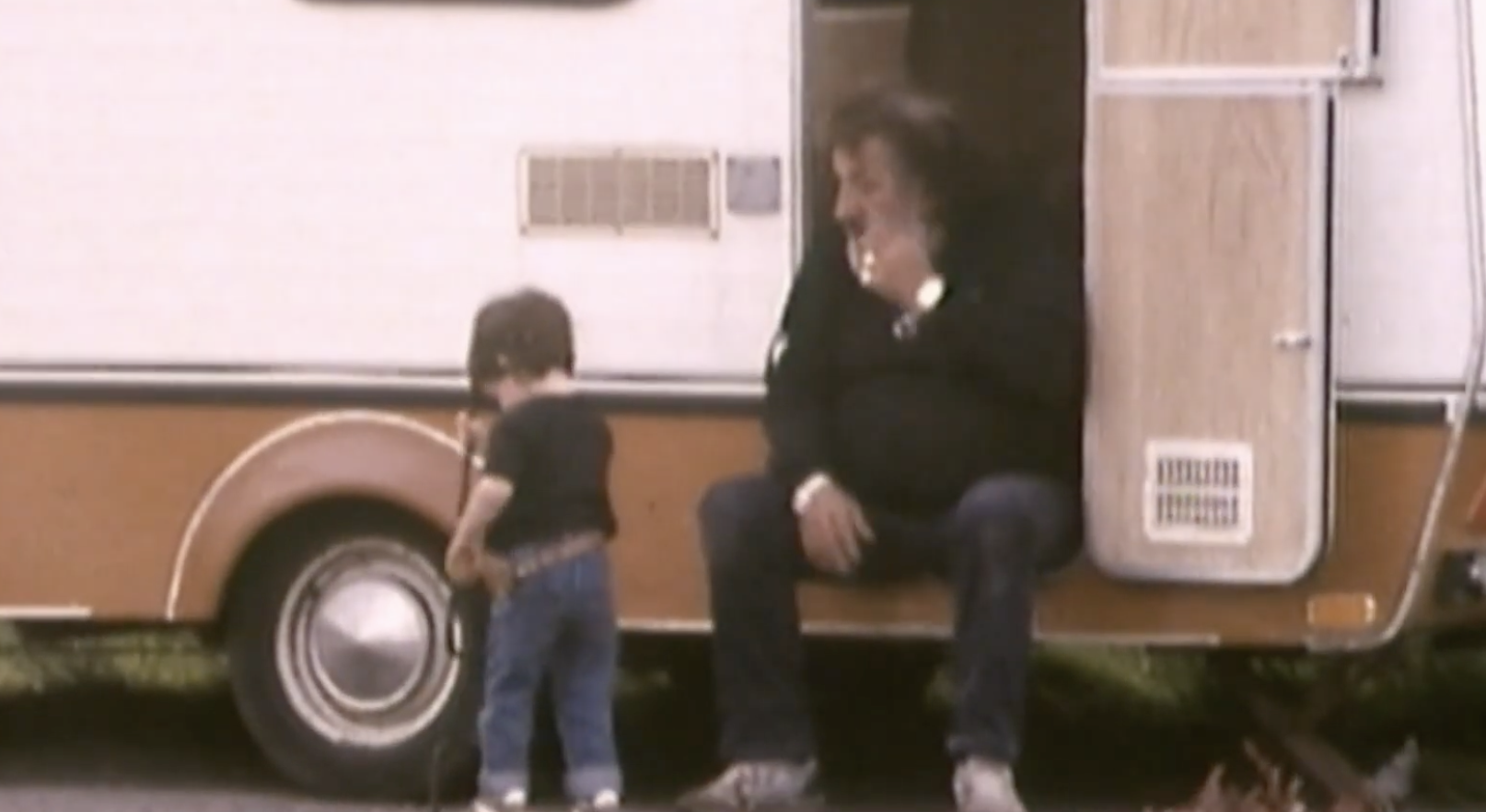
It was a bit of both, to be honest. We went into the project with a strong sense that figures like Pecker Dunne, Maggie Barry and Johnny Doran had to be central to the story. I had previously filmed with Pecker Dunne many years ago and held some really special archive material, so there was already a personal and creative connection there that felt important to revisit.
At the same time, through my own awareness and research, I understood just how pivotal artists like Maggie Barry and Johnny Doran were in shaping the history of traditional Irish music. They weren’t just influential, they were transformative figures whose musicianship and presence carried a depth and intensity that left a lasting imprint on the tradition. Johnny Doran, as an uilleann piper, had an extraordinary influence on the evolution of piping. His style, richly ornamented, rhythmically driven and deeply expressive, has been hugely formative in shaping modern piping. You can still hear his influence in many of today’s great pipers.
What became clearer as the project developed, particularly through interviews, was how unique that expressive power is within the Traveller community. There’s a rawness, an emotional honesty, and a powerful style that feels both deeply personal and culturally rooted. That richness, both musically and culturally, guided the direction of the film as it evolved, allowing those voices and that legacy to lead the narrative in a more organic and meaningful way.
The film features such a range of contributors, each with their own connection to the music and community. How did you approach selecting the voices included?
Selecting the contributors was one of the most challenging and delicate parts of the entire process. The subject itself is vast and layered, and we were very conscious that no single group of voices could ever fully represent the depth and diversity of the Traveller experience. So from the outset, it was about finding people who could speak to different aspects of that world, musically, culturally and personally, while still feeling part of a coherent, honest narrative.
There was also an important level of sensitivity required. The Traveller community has, understandably, had to be guarded. Many people have been approached before and, in some cases, misrepresented, so while there was an openness and willingness to engage, there was also a natural caution around our intentions. Building trust became central to everything. It wasn’t about arriving with a fixed agenda. It was about listening, taking time, and allowing relationships to develop in a genuine way.
We were looking for contributors who not only had a strong connection to the music, but who were willing to go deeper, people who could open up about their own lived experiences, their histories, and their relationship with identity and tradition.
It was important that they had something to say beyond performance alone; that they could reflect, share, and bring an emotional honesty to the film.
Some of the stories shared were deeply personal, and at times quite difficult. That required a level of trust and generosity from our contributors that we didn’t take lightly. What emerged from those conversations was something incredibly powerful: voices that could connect their own life experiences directly to the music, showing how intertwined the two are. Their openness, insight and courage gave the documentary its heart, and ensured that it felt authentic, respectful and rooted in real lived experience rather than observation from the outside.
There’s a strong sense of intergenerational connection, particularly through musicians like Mickey and Niamh Dunne. Was that something you were consciously looking to capture?
Yes, very much so. That sense of intergenerational connection is at the heart of traditional music in Ireland, and perhaps even more so within the Traveller community. Music is something deeply valued, something to be protected, nurtured and, importantly, passed on. The act of handing music down from one generation to the next carries a real sense of pride, and speaks to a wider commitment to preserving culture, identity and heritage.
That tradition of transmission is something you see clearly in families like the Dunnes. It’s not just about learning tunes. It’s about inheriting a way of life, a way of expressing yourself, and a connection to those who came before you. Pecker Dunne often spoke about learning from his own father, and for him music wasn’t just cultural, it was practical, it was survival. As he said himself, if you could play an instrument, you would never go hungry. That idea of music as both livelihood and legacy is incredibly powerful.
At the same time, there is a strong awareness within the Traveller community of the importance of maintaining their cultural identity, and music is a central part of that. While I would say that some aspects of that tradition may not be as widely embedded across all families today as they were perhaps twenty years ago, when it is present, it remains incredibly strong and deeply rooted.
Mickey Dunne and his daughters are a beautiful example of that continuity. The strength of the musical bond within their family is unmistakable, and it speaks to a living tradition rather than something preserved in the past. Niamh Dunne was incredibly generous with her time and her knowledge. She has reached the very highest levels within traditional music, which is a testament not only to her own talent and dedication, but also to the influence of her family and the musical lineage she comes from. Capturing that passing of knowledge, that shared pride, and that sense of continuity was something we were very conscious of throughout the film.
Sharyn Ward brings such warmth and positivity to the film. How important was it for you to reflect that sense of joy?
Sharyn brings an extraordinary energy to the film, and it was very important to me that we captured that sense of joy and lived experience. When you’re in her presence, it’s immediate, you feel her openness, her honesty, and her natural charisma. To describe her as a ray of sunshine on stage almost doesn’t do her justice. There’s a real vitality to her, both as a performer and as a person, that draws people in.
What makes Sharyn so compelling, though, is the balance she holds. She is fully aware of the discrimination she faces and doesn’t shy away from speaking about it. There’s no glossing over or softening of those realities. But at the same time, she carries a deep confidence in her own talent, in the value of her music, and in her role as a Traveller artist. That sense of self is incredibly powerful.
It was important that the film reflected not just struggle, but also joy, resilience and pride. Sharyn embodies all of that. Her enthusiasm for music and for life feels completely genuine, and it offers a fuller, more human picture of the community, one that goes beyond stereotype or hardship alone.
Paddy Keenan shares a deeply personal story about his family…
Filming with someone of Paddy Keenan’s stature was incredibly special, and moments like that really helped shape the emotional core of the film. There’s something profoundly powerful about hearing these stories directly from people who not only understand the tradition, but who carry it within them.
We were filming with Mickey and Niamh Dunne, alongside Paddy, as they retraced the journeys of travelling musicians in the west of Ireland, moving through the landscape in traditional barrel-top wagons, much like those used by Travellers in the past. When we met Paddy, it was a particularly cold and wet morning, and he had been staying overnight in one of those wagons. That detail alone brought a real sense of authenticity to the experience. It wasn’t just a recreation, it felt like a genuine connection to the past.
What Paddy shared with us that day was incredibly moving. Through his words, and the way he described life on the road, you could really begin to understand the realities of that existence, how families lived, travelled, and sustained themselves through music. He spoke with such clarity and eloquence, and there was a deep respect in the way he recalled those experiences, not as something romanticised, but as something lived and understood.
As a musician, Paddy is, of course, a master of the uilleann pipes, and his playing carries a lineage that stretches back through generations. But it’s his connection to that history, both musical and cultural, that made the moment so powerful. There was a real sense of continuity there, of tradition being lived rather than simply remembered.
Chrissy Donoghue’s reflections, particularly around the idea of “truth poetry”, feel especially intimate. What did her voice bring to the narrative?
For me, Chrissy Donoghue’s contribution was one of the most special moments in the entire film. She is an incredibly open and generous person, and the way she shared her time, her experiences and her words with us carried a real depth of honesty and trust.
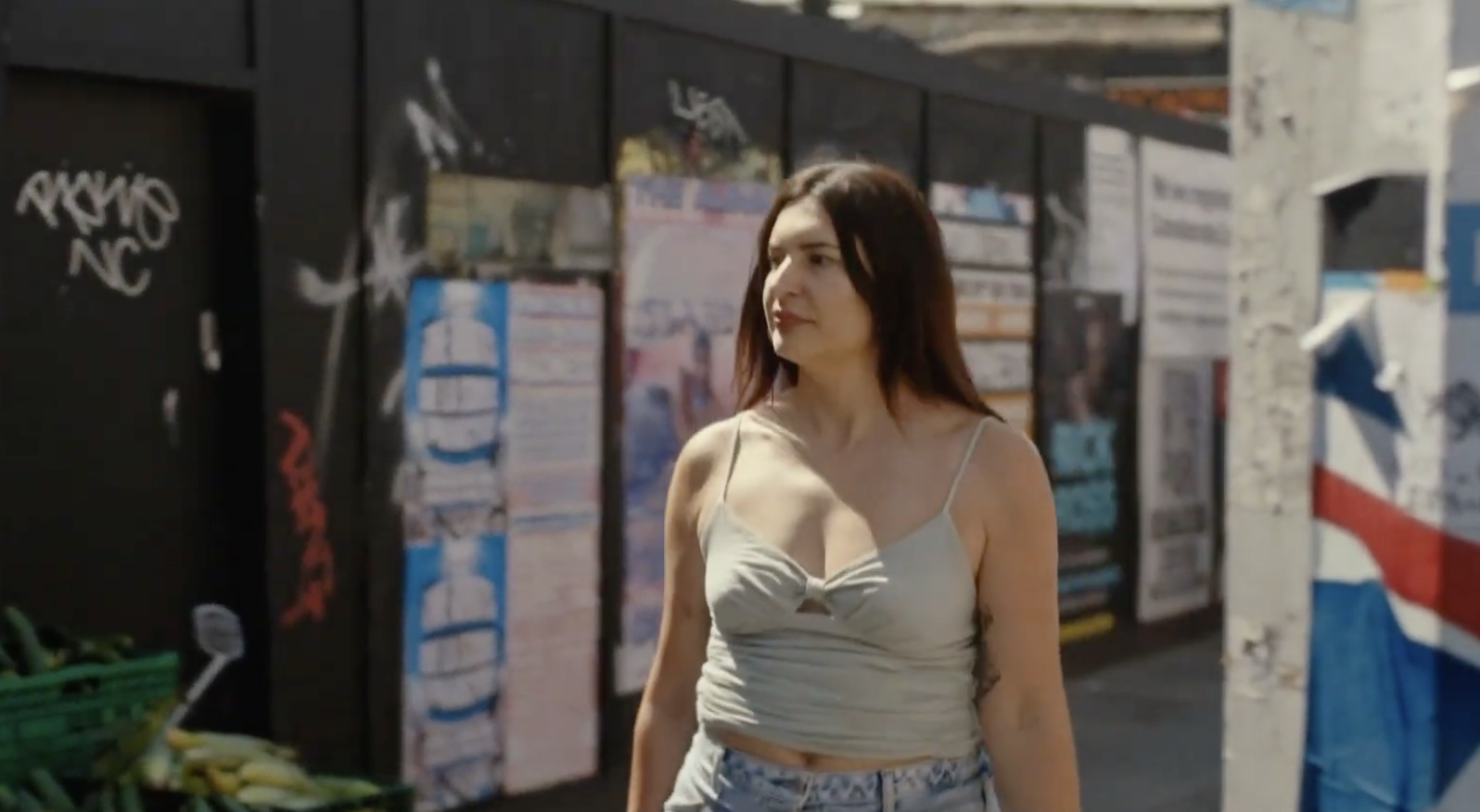
Through Chrissy, we were able to see, in a very direct and human way, the progression of what the Traveller community has endured over the past fifty years in Ireland. Her voice doesn’t just reflect history, it embodies it. She comes from a lineage of strong, resilient women who have not only lived through these experiences, but have actively fought for Traveller rights and for the rights of women within the community. That legacy is very present in how she speaks and in how she writes.
We were also fortunate to uncover archive footage of Chrissy as a young woman in the 1970s, campaigning alongside her sister. In that material, she speaks candidly about the harsh and often unacceptable conditions they were forced to endure while raising young families as Traveller women, conditions that denied them even the most basic rights that any Irish woman should have been entitled to. That archive brought an added weight and immediacy to her voice in the present day, bridging past and present in a very powerful way.
Her idea of “truth poetry” felt especially significant within the film. There’s no performance or distance in it. It comes from lived experience, from memory, and from a need to articulate realities that have too often been overlooked or ignored. Through her poetry, we gain an intimate insight into struggles that are still within living memory. Her words cut through everything with a quiet strength, giving voice to pain, resilience and dignity in equal measure. It grounded the film in a very real way and reminded us why it was so important to tell these stories in the first place.
The film suggests that Traveller songs exist somewhere between history and mythology. Was that something you consciously set out to explore?
It wasn’t something we consciously set out to frame in that way, but it very much revealed itself as the film developed. When I think of voices like the Keenans, there’s a timeless quality to them. They seem to carry something in their voices that is much older, something that sits between lived history and a kind of mythology. As Michael Ó hAodha said in his interview, their singing could stop traffic, and that really captures the sheer power and presence they bring as performers.
There’s a depth of storytelling in those voices that feels almost otherworldly. Singers like Kathleen and Mary have an intensity and strength that goes beyond performance. It feels like they are channelling something inherited, something deeply rooted in tradition. That sense of music as both memory and myth wasn’t imposed by us; it emerged naturally through the interviews and, most importantly, through the performances themselves.
Music feels central not just as subject but as a storytelling device. How did you approach shaping the film’s sonic identity, particularly that opening mournful tone?
Music was always going to be central for me, both because of my own background as a musician and from spending the past twenty years making music documentaries. Very early on in the process, we were aware of just how emotive and powerful music can be as a storytelling tool. When you’re working on a film that is not only about music, but about a community like the Traveller community, where music is so deeply woven into identity and lived experience, it becomes almost impossible not to let it lead the narrative.
Many of the songs themselves are stories, reflections of Traveller life, memory and experience, so the film naturally became musically driven in parts. Rather than relying solely on interview or voiceover, we allowed the songs to carry meaning, emotion and context in a way that feels more immediate and authentic.
We were fortunate to uncover beautiful archive material from the Irish Traditional Music Archive, including a recording from 1960 of a singer named Joe O’Donoghue performing a song he called “The Campaign Song”. Pieces like that, combined with carefully chosen imagery, have the ability to tell a story in a way that words alone often can’t.
Our editor, David Gray, was instrumental in shaping that approach. He crafted an opening that is both powerful and deeply emotive, setting the tone for the entire film. From the outset, he understood the central role music plays within the Traveller community, not just as accompaniment, but as a force that can shape rhythm, mood and narrative. That opening mournful tone really establishes the emotional landscape of the film and guides the audience into the journey that follows.
The interplay between landscape, music and memory is striking. How did you approach visualising something as intangible as musical heritage?
I think in many ways the question answers itself. Within the Traveller community, musical heritage isn’t something abstract or intangible, it’s something that is lived. There is a very direct relationship between how people live, the music they carry, and the way it is passed down through generations.
For Travellers, music has traditionally been bound up with movement, with family, and with everyday life on the road. It wasn’t separate from life, it was part of it. Songs and tunes were learned within the family, shared in informal settings, and carried from place to place. That creates a very strong link between memory, place and sound, because the music is tied to lived experience rather than performance alone.
So when we came to visualise that on screen, it felt important to ground it in real environments and real lives. By placing contributors within the landscape, and allowing the music to exist naturally within those spaces, the connection becomes visible. The land, the people and the music all inform each other.
In that sense, musical heritage reveals itself in the voice, in the setting, in the relationships between people. It becomes tangible through the way it is lived and shared.
How did you go about sourcing archival those materials?
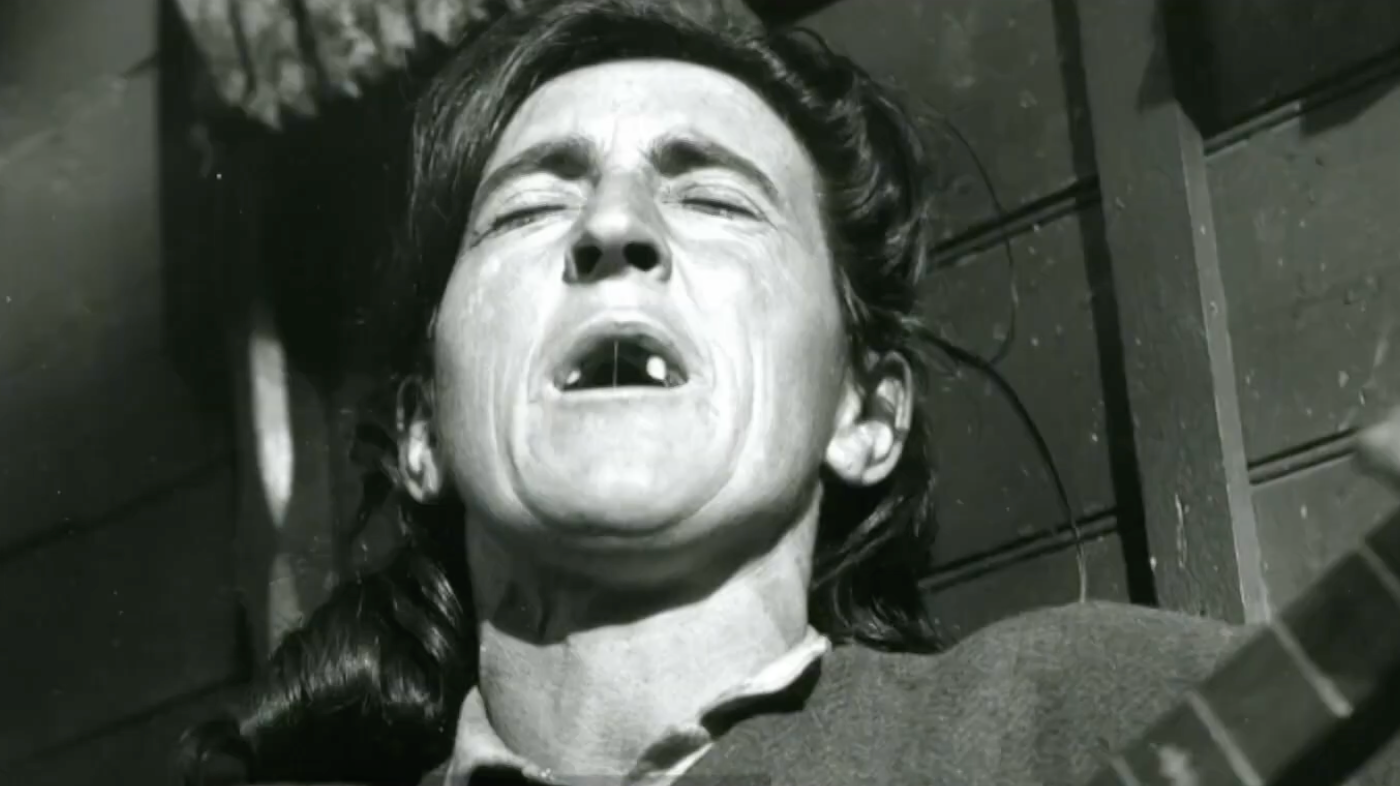
The archive was a hugely important part of shaping the film, and the process of sourcing it was both slow and incredibly rewarding. We were fortunate to be able to draw on material we had filmed ourselves nearly twenty years ago in an earlier documentary series. Revisiting that footage was very special, it allowed us to reconnect not just with the material, but with the people themselves. Meeting again with figures like Pecker Dunne’s daughter, Sarah, brought a real sense of continuity. She offered powerful insight into how the Traveller community has evolved over the past two decades, and spoke movingly about legacy, particularly the lasting influence of musicians like her father.
We were also very grateful to the Irish Traditional Music Archive, which was an invaluable resource throughout. In particular, the work of Alen MacWeeney was extraordinary. His photographs of the Traveller community, alongside the recordings he made in camps around Dublin in the late 1960s and early 1970s, are incredibly powerful. There’s a real artistry to his work, but also a deep respect and understanding of the people he was documenting.
That sensitivity comes through in every image and recording, and we felt very lucky to be able to include them in the film.
Archive research can be a painstaking process, but it’s one of the most rewarding aspects of documentary filmmaking. It allows you to build a deeper, more layered understanding of your subject, and to connect past and present in a way that feels meaningful. In this film, the archive brought history to life and gave real weight to the story we were trying to tell.
The film highlights how music connects people across generations and cultures. Was that theme always central, or did it emerge during the process?
I think it was always central to the story, but with any film, you hope that the themes you set out with will emerge in a more meaningful and illuminating way through the process itself. We were very aware from the beginning that the musicians we were working with all carried a strong sense of lineage in their music, and that the Traveller community has played a hugely significant role in shaping Irish culture, particularly Irish traditional music.
That awareness gave us a foundation, but what’s always most rewarding is when those ideas begin to reveal themselves naturally through the people and the material. As we spent time with contributors, listened to their stories, and witnessed the music being shared across generations, that sense of connection became more vivid and more deeply felt. It moved beyond something we understood and became something we could see and feel on screen.
Music, in that sense, becomes a kind of bridge, linking generations within families, but also connecting wider communities and audiences. The fact that these traditions continue to resonate speaks to their strength and universality.
Why do you think Traveller musicians have been historically overlooked within Irish music narratives?
I think the overlooking of Traveller musicians within Irish music narratives is part of a much broader historical pattern. The Traveller community as a whole has been marginalised and misunderstood for generations, and their contributions to the cultural, social and artistic aspects of Irish history have often been excluded from mainstream narratives. So in many ways, the absence of Traveller musicians from the centre of Irish music history is not an isolated issue, but a continuation of that wider neglect.
What makes it particularly striking, though, is the scale of their influence. When you begin to look more closely at the tradition, it becomes clear just how important Traveller musicians have been in shaping Irish music, through their repertoire, their distinctive styles of performance, and their role in preserving and carrying songs and tunes across generations.
And yet, for a long time, that contribution hasn’t been fully recognised or properly acknowledged. When you see the quality of musicianship and understand the role these artists have played, that absence feels like a real injustice, almost a cultural blind spot. It’s not just an oversight; it’s something that speaks to how history has been recorded and whose voices have been prioritised.
What do you hope Irish audiences take away from the film?
I hope Irish audiences come away with a deeper understanding and appreciation of the Traveller community and the immense contribution they have made to our cultural and musical heritage. For many people, this is a part of Irish society that has been misunderstood or overlooked, and I would hope the film offers a more honest and human insight into that experience.
I also hope audiences recognise just how central Traveller musicians have been in shaping Irish traditional music. When you hear the depth, the power and the authenticity in that music, it’s impossible not to feel its significance. There is a richness there that deserves to be acknowledged and celebrated.
More than anything, I would hope the film fosters a sense of respect and connection. That people see beyond stereotypes and recognise the resilience, creativity and pride within the community. If it encourages even a small shift in perspective, or sparks curiosity to learn more, then I think it has done something worthwhile.
And on a broader level, I hope it reminds audiences of the power of music itself, how it carries memory, identity and belonging, and how it can connect us all.
Do you feel Irish cinema is doing enough to represent Traveller voices and histories?
I think it has improved in recent years, and there is certainly more awareness and willingness within Irish cinema to engage with Traveller stories. But I do think there is still a long way to go. Representation isn’t just about visibility, it’s about depth, authenticity and allowing people to tell their own stories in their own voice.
For a long time, Traveller histories and experiences have either been overlooked or framed through an outside perspective, and while that is beginning to shift, there is still a need for more space to be given to Traveller voices themselves, both in front of and behind the camera. That’s where real change happens.
Ultimately, it’s not just for filmmakers to decide how the Traveller community should be represented. That’s a conversation that needs to involve the community itself. How do they want their stories told? What feels truthful to them? What do they want audiences to understand? Those are the questions that should guide future work.
There is a huge richness within Traveller culture, its music, storytelling, language and lived experience, and Irish cinema has an opportunity, and a responsibility, to reflect that in a way that is respectful, collaborative and honest. I think progress has been made, but there is still an awful lot more that can be done.
What do you hope Ag Taisteal Siar contributes to the broader understanding of Irish cultural identity?
I hope Ag Taisteal Siar helps to broaden and deepen the understanding of what Irish cultural identity really is. Too often, that identity has been presented in a way that leaves out voices and traditions that are absolutely central to its formation. The Traveller community is one of those voices, and their influence on Irish music and culture is profound.
I would hope the film encourages audiences to see Irish identity as something more layered, more inclusive, and more reflective of all the people who have shaped it. Traveller musicians, in particular, have played a vital role in preserving and developing traditional music, and recognising that helps us to better understand the true richness of our cultural heritage.
More than anything, I hope the film challenges people to think differently, to question what they think they know, and to be open to a fuller, more honest picture of Ireland’s past and present. If it can contribute in some small way to a more inclusive understanding of Irish identity, then it has achieved something meaningful.
At its core, the film is about recognition, acknowledging the place of the Traveller community within the story of Ireland, not as something separate.

About Méabh O’Hare
Méabh is a Belfast-based producer and director working across Irish-language television and documentary. With a strong focus on music, culture and storytelling, she has developed and delivered a range of projects that explore Ireland’s artistic heritage and contemporary creative scene. Her work often centres on traditional music and its social and political contexts, bringing together archive, performance and intimate interviews to create engaging and visually distinctive programmes. She has produced for broadcasters including TG4, BBC, RTÉ and CBC. Méabh is particularly interested in amplifying underrepresented voices and fostering new talent, with a commitment to creating culturally relevant, accessible content for modern audiences.


