

In this article, Khushi Jain gets a special preview of shorts from The Arab Film Club, who will be presenting an afternoon of award-winning short films from the Arab world in the Irish Film Institute on 12th April.
Dublin is home to some wonderful and interesting film clubs, from Sass Mouth Dames and My Little Film Club to Craft Cinema Club and Solax. A recent addition to this fair city of film is the Arab Film Club, a community-driven project showcasing and exploring Arab cinema. This will be an afternoon of four exceptional, inventive and delicate short films at the Irish Film Institute. Among those in attendance will be filmmakers Suzannah Mirghani and Mohammed Almughanni, and the club’s founder and curator Sarah Agha.
Agha is not a stranger to Dublin. An actress and writer based in London, she graduated from Trinity College Dublin with a degree in Theology and Middle Eastern Studies. The film club grew out of an Arab play reading club that Agha started during lockdown. Once theatres reopened, dramatic readings diluted but cinematic citations continued. Each month, the club picks an Arab title which members watch in their own time. Discussions are then held either online or in person (hosted by the club), and there are even opportunities to join excursions to events organised by other Arab film organisations and festivals. The club has just returned with the second series of its podcast, with the latest episode featuring Syrian director Soudade Kaadan in conversation about her award-winning feature Nezouh. So far, Agha has screened films from 13 different countries and is always looking for more titles, new and classic. To Dublin, she is bringing tales from Lebanon, Palestine and Sudan.
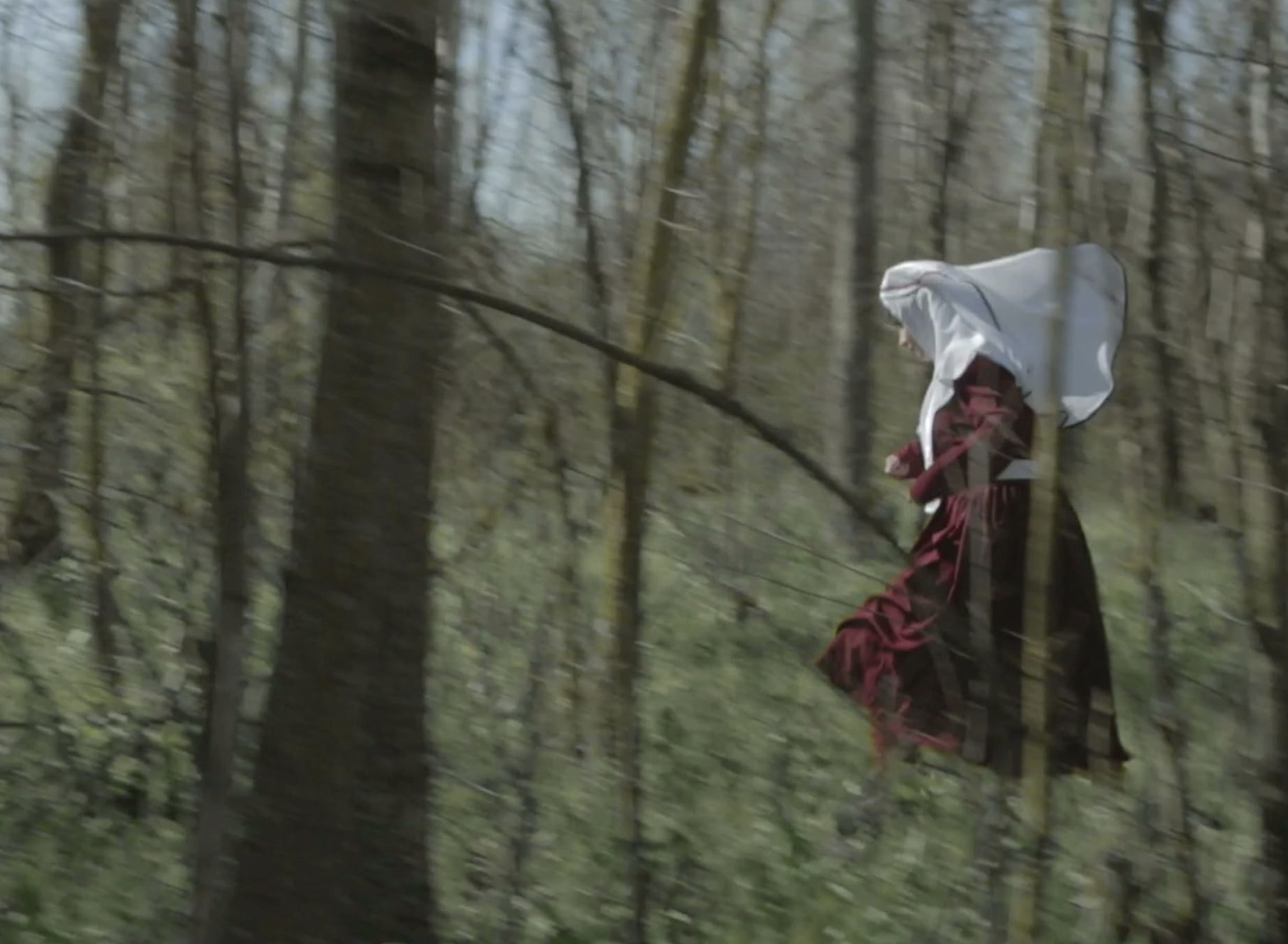
Sous Les Soutanes (2016)
The first film of the afternoon is scheduled to be Michel Zarazir’s Sous Les Soutanes. In one word, this 2016 Lebanese short is chaos, pure, sweet, enjoyable chaos. A group of nuns in an isolated convent are committed to playing hide-and-seek when they are interrupted by the arrival of the Monsignor. He is here to visit the convent’s oldest nun and sell the land for good profit. But the land has a different plan, as do the nuns. Rather, it might be more appropriate to say that the nuns have a whole host of plans that they keep throwing around, playing catch with the Monsignor’s very life to an upbeat soundtrack of the clarinet. Cinematographer Karim Ghorayeb keeps a tight ratio, and in shades of white and maroon, the nuns’ habits (and habits) take centre stage in all their innocent madness and childlike panic. It is difficult to say much about what really is under the robes without giving the plot away, for Zarazir’s film is a comedy unlike any other. His storytelling relies on long takes, characterful protagonists and unrestrained dynamism, and his humour, as pleasant and naïve as it is, never forgets the burden of history carried by the land and its people. I am certain the ending will be a popular topic in the post-screening discussion.
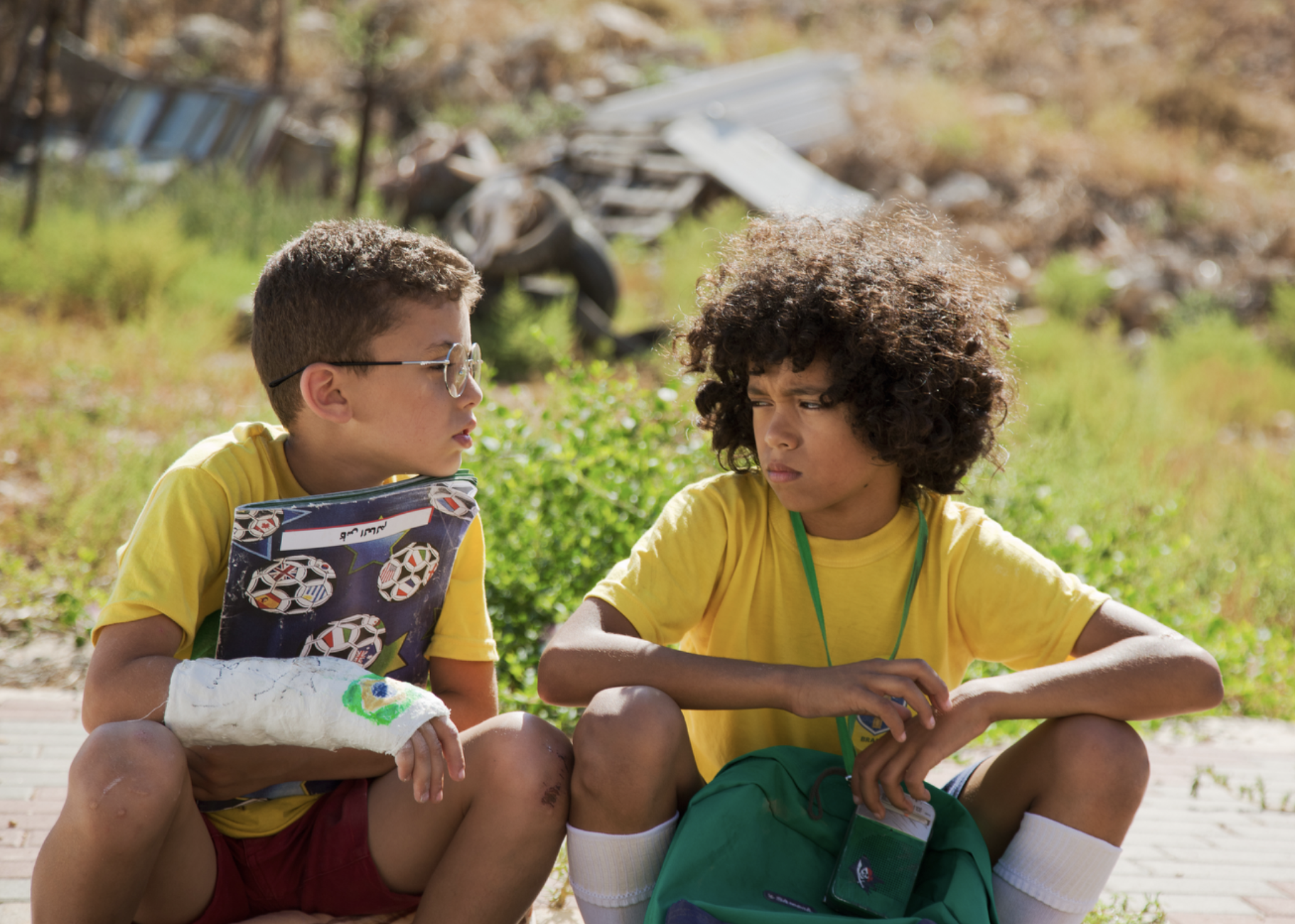
Maradona’s Legs (2019)
Similar in thematic treatment is Firas Khoury’s 2019 Maradona’s Legs, the story of two brothers on an exodus for the last sticker to complete their album and win a free Atari. In this Palestinian film, in between the live commentary of football matches are slogans of uprisings. At the heart of it all, Khoury seems to be asking what a nation really is and what it means to be nationalist. What does and should be uniting us as people? For his two protagonists, it is stickers and football. Although set during the 1990 World Cup, Maradona’s Legs operates in a landscape that is almost surreal. With the sun shining white, scorchingly empty streets, colourful domestic interiors, and the dominance of yellow and green (the colours of Brazil, the favoured team of the boys), production designer Rabia Salfiti creates an extra-planetary experience. Elements of this aesthetic also seep into the narrative, and the search for a sticker becomes an adventure for the characters and audience alike. Whether the boys find Maradona’s Legs or not is for you to find out on Sunday.
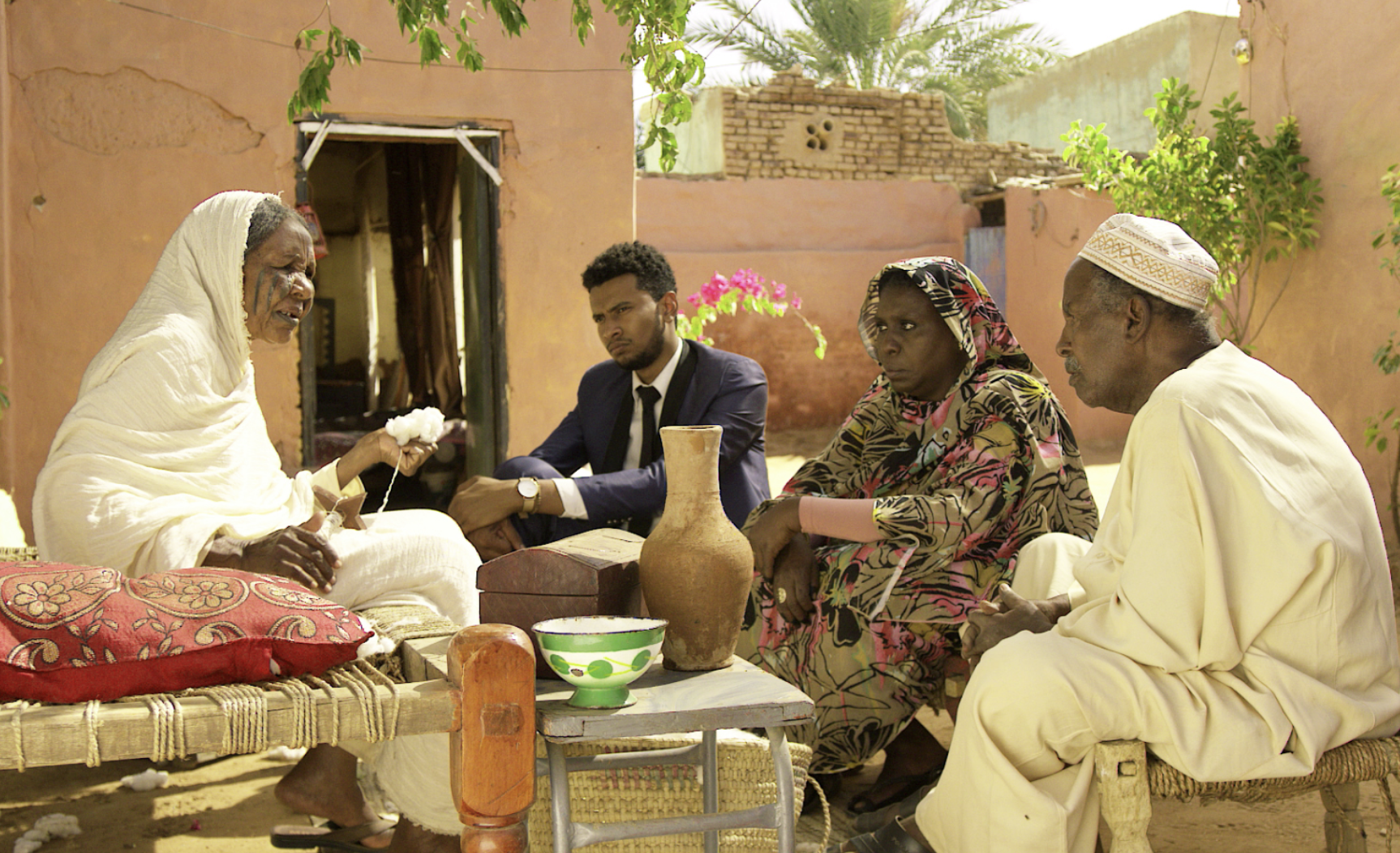
Al-Sit (2020)
The third film in the programme is unique in several ways. First and foremost, this is a romance. Set in a Sudanese cotton-farming village, in Suzannah Mirghani’s Al-Sit, the parents of 15-year-old Nafisa have arranged a match for her with Nadir. The film’s eponymous character, Al-Sit, is Nafisa’s grandmother, who has altogether different arrangements for this heroine. No one has bothered to ask Nafisa what she wants, or rather whom she wants; it is the local boy Babiker whom she truly fancies. The excellence of Mirghani’s story comes in its skilful juggling of a multitude of complex themes and issues, ranging from patriarchal constraints and youthful desires to capitalism, immigration and colonial exploitation. The film exerts authority over a narrative that has been controlled by Western voices for far too long. Mirghani does not shy away from turning her critical gaze inwards either, exposing the cracks in Sudanese society. But at the end of the day, Al-Sit remains a love story and, if you have ever wondered what snow in Sudan might look like, this film is for you.
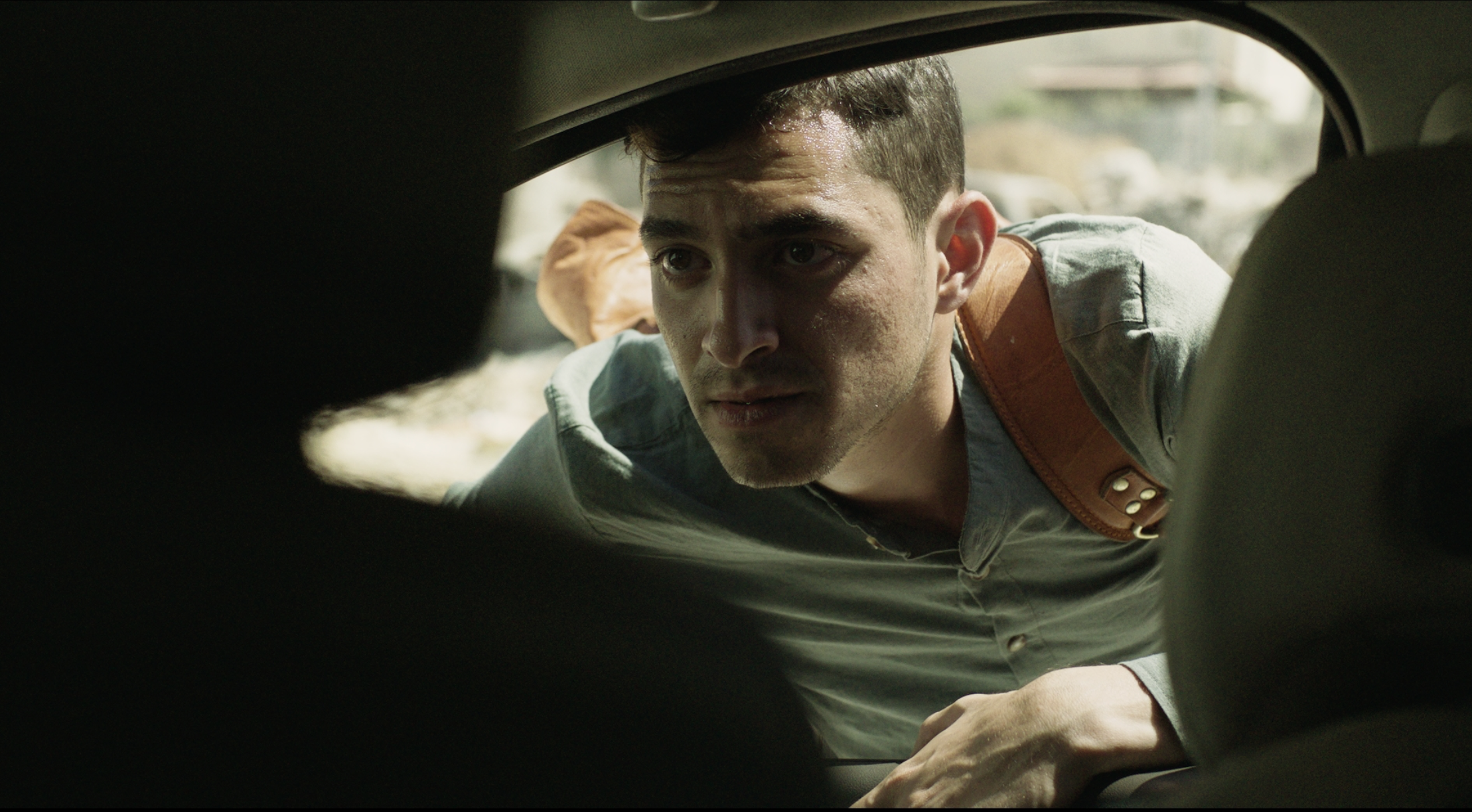
An Orange From Jaffa (2024)
The afternoon will close with a second Palestinian film, An Orange From Jaffa by Mohammed Almughanni. The short opens with Mohammed desperate for a taxi willing to take him through the Israeli checkpoint at Hizma. He meets Farouk, who gives him a lift on his way to Jerusalem. Things begin to go wrong when Israeli soldiers discover that Mohammed has already failed to cross the border at a different checkpoint. Nothing much happens in this film and yet everything happens. There is a simultaneous excess and vacuum of humanity, the perfect and most succinct representation of what it means to live under occupation. The camera is also humanised, being led by the gazes of the characters, pausing on that which matters most to them. As you watch this short, be on the lookout for the subtle intelligence of Natalia Jacheć’s editing, and how it captures the nuances of Mohammed and Farouk’s experience. An Orange From Jaffa is the darkest film in the programme and, as the final piece, makes a memorable mark.
Being careful not to spoil any of these four spectacular shorts, it's important to note that Agha’s curation is not despondent in the least. With currents of the more serious, the films she has picked shine in their games of hide-and-seek, football stickers, young love and a bright orange fruit.
Given Wim Wenders’ highly problematic and privileged comment on the (a)politics of cinema at this year’s Berlinale, and the US President’s recent determination to destroy the people of Iran under the guise of helping them, this afternoon of shorts is an act of defiance. These four films are on the longer side, with filmmakers who take their time to tell you their stories and share their realities. This time is a gift and an honour that Agha and the Arab Film Club are bringing to Dublin.
Tickets are still available for the screening, which takes place on 12th April at 1.20pm in the Irish Film Institute.
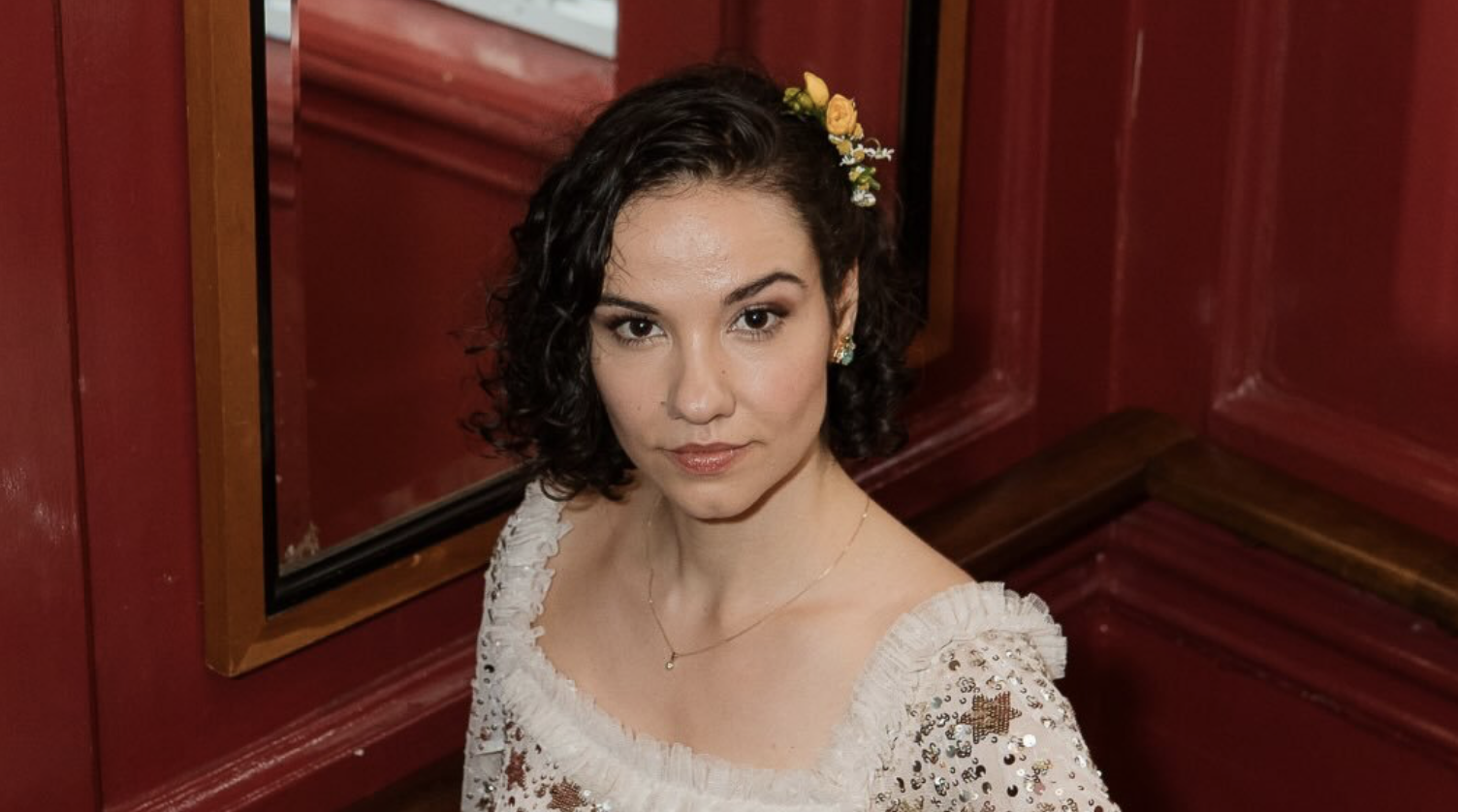
About Sarah Agha
Sarah Agha is an actress and writer based in London. She read Theology and Middle Eastern Studies at Trinity College Dublin before performing professionally. Her acting training includes courses with the National Youth Theatre, the Royal Conservatoire of Scotland and the New York Film Academy. Theatre credits include roles with the Royal Shakespeare Company and The Globe Theatre and her television credits include The Hardacres and Into the Badlands.
Sarah works regularly as a voiceover artist for audiobooks and radio. As a writer her work has been published in Middle East Eye, GQ ME, Backstage Magazine and more. She also completed the highly competitive BBC Voices scheme for TV screenwriting. Sarah presented the award winning documentary The Holy Land And Us on BBC Two as well as hosting her own podcast series on Palestinian cinema. Sarah curates the Arab Film Club – a community platform celebrating cinema from the Arab world. She has been awarded a BAFTA Connect membership for her contribution to the industry so far. Read more here.


