
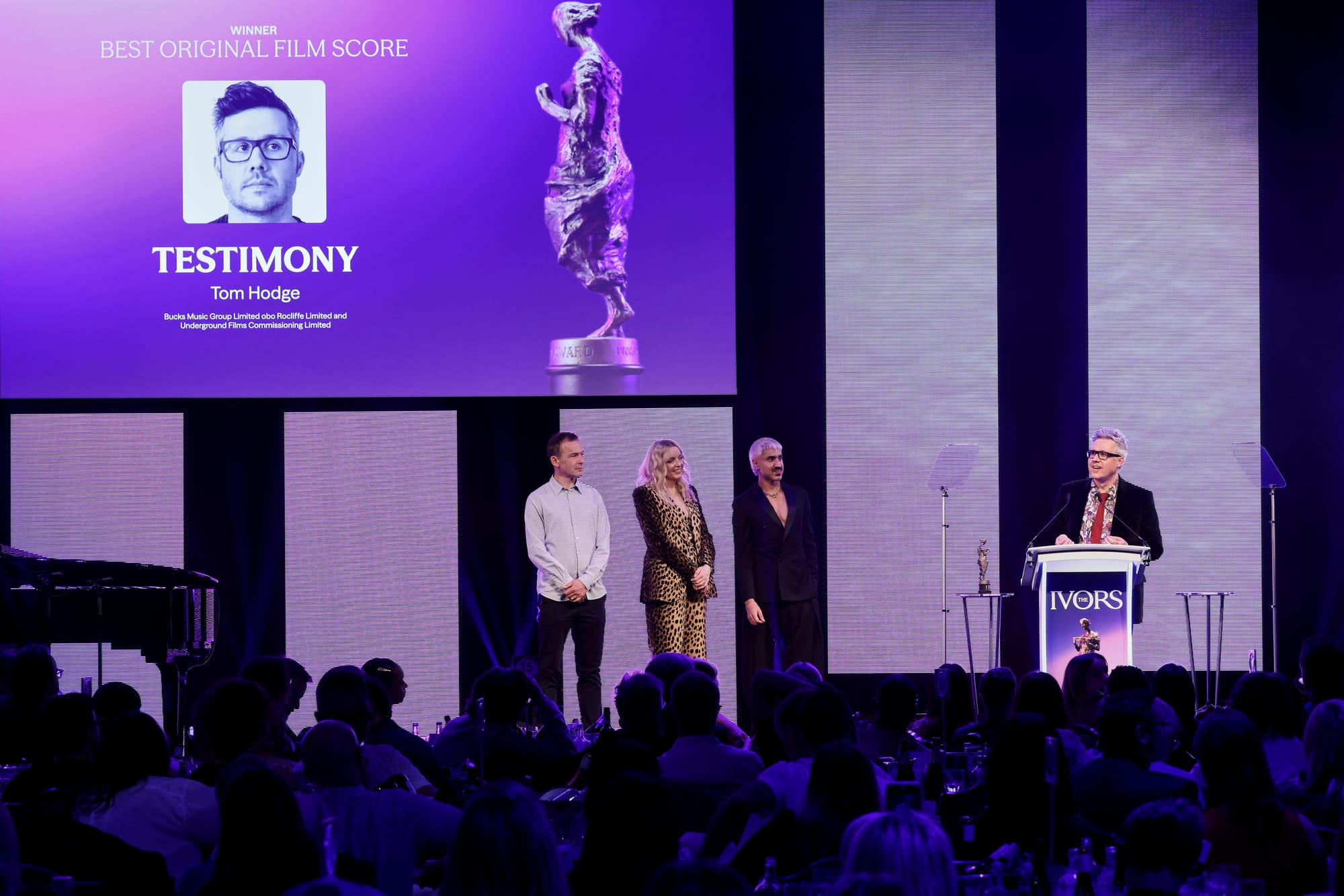
The striking thing about Tom Hodge is the obvious attention he pays to his craft. Speaking from his studio in Myrtleville, Cork, the composer, whose score for Testimony recently earned him the Ivor Novello Award for Best Original Score, talks with deliberation about the stories and emotions he works to serve. Posters from his films line the walls behind him; a piano sits nearby. It is a considered setting befitting of a composer whose work is defined by its range and sensitivity.
Testimony, directed by Aoife Kelleher, tells the story of the decades-long campaign for justice for and by the survivors of the Magdalene Laundries and the Mother and Baby Home institutions. The film screened in cinemas across Ireland and the UK late last year and is due to air on RTÉ on 22nd July. Will Penn spoke to Hodge about the challenges of scoring such delicate subject matter, and what it means to put music in the service of truth.
It seems like it’s been quite a busy year for you. I was reading about everything you’ve been working on.
Yes, it has been busy. I’ve just finished a big action thriller with Kevin Macdonald, and I’ve been fortunate to move between scripted and non-scripted projects. That’s partly because I’ve worked on a series of projects with Kevin, but also because I try not to get pigeonholed. I enjoy the variety. I’ve recently completed a big drama, and earlier this year a documentary premiered at Sundance.
When I saw Testimony, I thought it was a masterful exploration of a part of Ireland that has long been overlooked. It was an emotional and thoughtful documentary, and revisiting the score before this conversation reinforced that. One thing I wanted to ask is about your range. Is that something that comes naturally, or is it something you consciously work at?
I think it comes quite naturally. Often, when I’m brought onto a project, it begins with someone saying they thought of me because it requires range. I enjoy that challenge. If it didn’t come naturally, it could feel overwhelming, but for me it’s something I embrace.
With Testimony, that range was essential. There are many strands to bring together while still holding a very delicate emotional space. It’s a focused subject, but the music needed to cover a wide emotional spectrum.
When I was re-listening to the score, I noticed that while the subject is dark, there’s also a sense of levity, optimism and strength. Was that balance difficult to strike?
Not really, because those elements are already present in the people on screen. Yes, there’s darkness, but the strength and resilience of the contributors is extraordinary. You don’t need to look elsewhere for inspiration; you’re simply supporting their journeys.
There are moments where the music leans into the darker reconstructions, and others where it supports the campaigners or survivors in different ways. The role of the music is to respond to the emotions being brought to the screen. Sometimes it heightens what’s there, and other times it steps back to allow for reflection.
How do you navigate the boundary between not overwhelming a scene and allowing testimony to speak for itself?
That’s always a fascinating part of the process. When you apply music to picture, the results can be surprising. Something that feels subtle on its own might become overwhelming in context, and vice versa.
You’re constantly adjusting in response to the edit. In this film, we pushed quite hard with the reconstructions, which was a bold choice. But alongside that, there’s the procedural justice element, the campaign for truth, and we used that as another musical reference point.
On the other hand, the more emotional material often required a lighter touch because the narrative itself is already so compelling.
It’s interesting hearing you describe that process. I come from a family of musicians, and I know these ideas can be difficult to articulate in words.
Exactly. Talking about music can feel like trying to describe something inherently abstract. But on this project, we had time, which made a huge difference. Often schedules are tight, but here we were able to let ideas develop gradually.
We started with the procedural justice language, then explored a more gothic tone, and eventually built what I’d call the emotional “heart” of the score. Towards the end, we leaned further into a folk-inspired West of Ireland feel. Having that time allowed everything to settle and connect.
That’s interesting, because in The Mauritanian you used leitmotifs tied to specific characters. This felt more like different musical approaches tied to different stages of the narrative.
That’s exactly right. We discussed motifs early on, but it became clear that this film needed something broader. Instead of assigning themes to individuals, we developed distinct musical worlds.
For example, the procedural elements were more percussive and piano-led, while the survivor stories used more choral and string-based textures. The reconstructions leaned into more ambient and electronic sounds. There was a lot of crossover, but ultimately we were positioning different musical worlds to complement different aspects of the film.
When you’re starting a project, do you begin at the piano, or is it a more organic process?
If I’m looking for a defined theme, I might start at the piano. But I try not to rush that. Instead, I focus on finding what I call the “sound world”, the musical colour of the film.
That means exploring instrumentation, tone and texture before locking into specific melodies. Once that framework is established, the themes tend to emerge naturally.
I think about how the music will ultimately be experienced, through speakers, rather than just the physical instruments themselves. That perspective shapes how I approach the process.
You mentioned working with Aoife and Emer. Could you describe what that collaboration looked like?
It’s very much an evolving process. The key moment is seeing rough assemblies of the film for the first time. At that stage, I try to respond emotionally rather than focus too closely on specific scenes.
I’ll create sketches that reflect the overall feeling and share them with the filmmakers. They’ll experiment by placing the music in different parts of the film and then send it back. That becomes a new reference point, and the process continues from there.
With documentaries, this continues almost until the end because the narrative is still evolving. Unlike drama, where the picture eventually locks, documentaries remain fluid.
That’s particularly interesting given that this film still feels like an evolving story even at the end.
Yes, because it is. This film is part of an ongoing campaign; it’s a piece of activism. It’s not just documenting events; it’s aiming to influence change.
Is that something that draws you to projects?
It’s more that when you hear about a project like this, you immediately recognise its importance. As a freelancer, you’re always balancing multiple commitments, but when something clearly stands out as meaningful, the decision becomes easy. You just want to be part of it.
Listen to the Testimony soundtrack here:

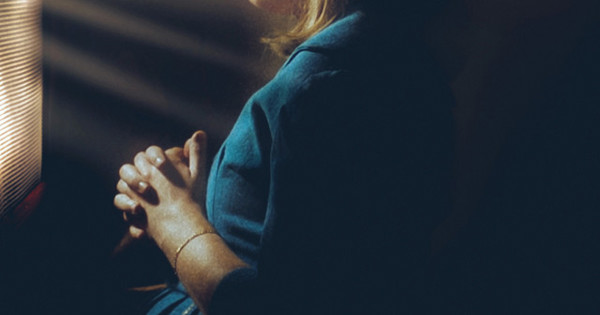
TESTIMONY airs Wednesday 22 July at 9.35pm on RTÉ One and RTÉ Player.
A vinyl release of the soundtrack album will soon be available. All proceeds from the vinyl sales will be donated to EPIC – Empowering People in Care, in honour of Justice for Magdalenes Research.
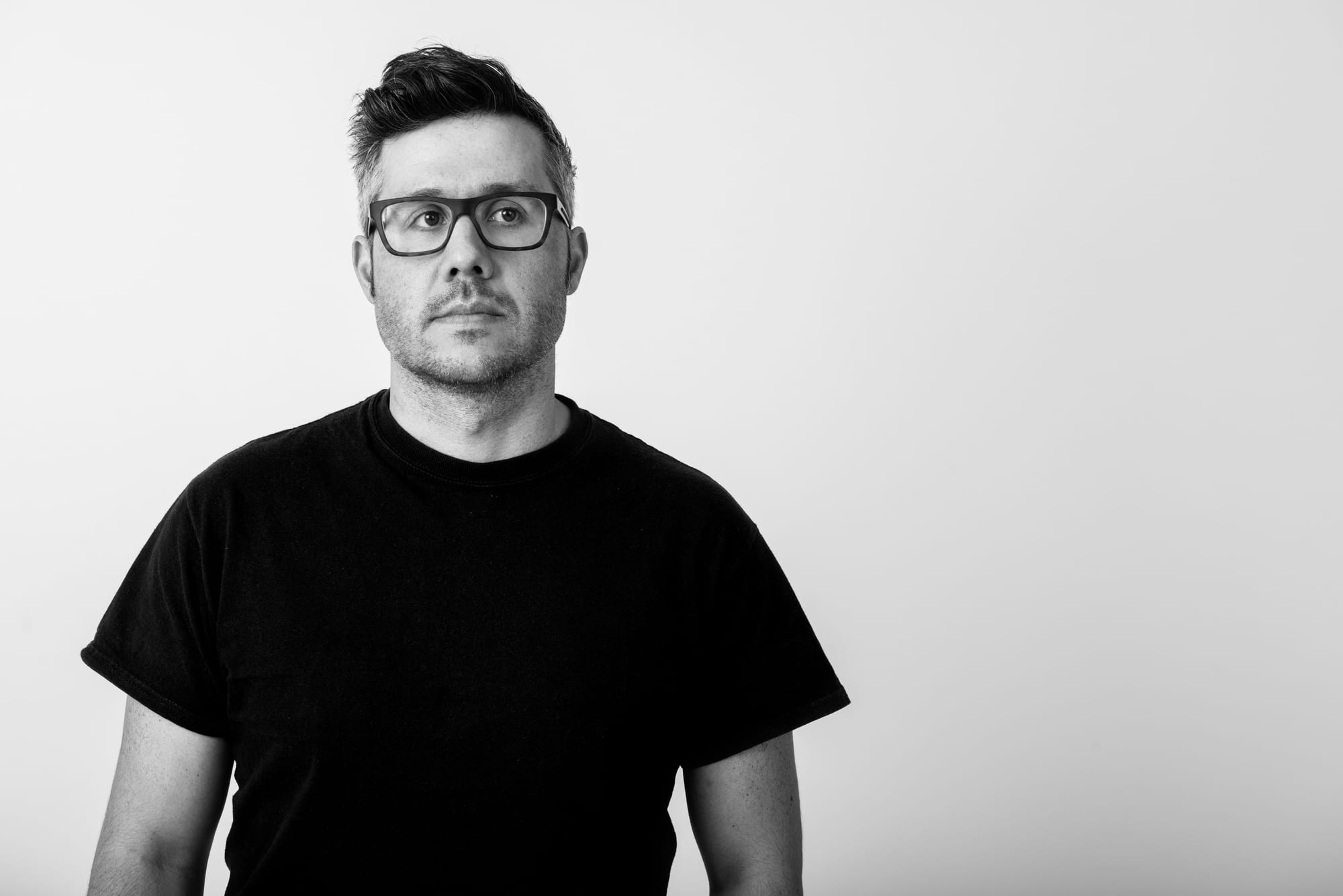
About Tom Hodge
Tom is an Ivor Novello Award-winning composer standing at the forefront of contemporary soundscapes for film and television. His score for Aoife Kelleher’s feature documentary Testimony won Best Original Film Score at this year’s Ivors, further cementing his reputation as one of the most distinctive voices in original score. Tom’s acclaimed work with Academy Award-winning director Kevin Macdonald includes The Mauritanian, starring Tahar Rahim, Jodie Foster and Benedict Cumberbatch, as well as High & Low: John Galliano and the forthcoming action thriller The Runner.
His other score credits include Amir Bar-Lev’s The Last First: Winter K2, which opened the Sundance Film Festival in 2026, the BBC/PBS series Rise of the Nazis, which earned him his first Ivor Novello nomination in 2019, and two critically acclaimed primetime dramas for James Watkins, Emmy Award-winning McMafia and The Ipcress File. He has also scored Martin Campbell’s action thriller Cleaner, starring Daisy Ridley, and Ed Lovelace’s award-winning documentary Name Me Lawand, alongside providing additional music for Netflix’s blockbuster Extraction 2, starring Chris Hemsworth.
A virtuoso pianist and clarinettist, Tom continues to push the boundaries of experimental neoclassical music. His work spans feature films, documentaries, TV dramas, ballet productions and numerous award-winning advertising campaigns, establishing him as one of the most compelling voices in the world of original score.


