

As Once We Were Punks arrives in cinemas nationwide, filmmaker, actor and writer Rachel Walshe sits down with director Frank Shouldice to discuss inspiration, music and the art of storytelling behind his latest film.
Much like his latest subjects, Once We Were Punks marks a return for award-winning documentary director Frank Shouldice. Having enjoyed sold-out screenings at the Galway Film Fleadh and Stranger Than Fiction Festival at the IFI, this latest film brings him back to Bailieborough, Co. Cavan, to document the journey of an inspiring set of artists.
Tuning into Inspiration
He previously shot his earlier film, The Man Who Wanted To Fly (2018), in the same region, spending five and a half years in the border county following Bobby Coote, an 80-something bachelor farmer, as he fulfilled a lifelong ambition to fly.
Years later, a fateful tuning into The Tom Dunne Show on Today FM on BBC Radio 3 would lead to his return. “I heard this song on the radio [...] and he [Thom Gunn] said that it was a song called ‘The Pop Inn’ and it’s by ‘The Sons of Southern Ulster’ and that meant nothing to me at the time. It was the sort of guitar sound that reminded me of bands I used to listen to going back to the 80s. But I could hear the singer had a Dublin accent, and I was curious. ‘Who was this band with this Irish name and Dublin singer?’”
This led Shouldice to reach out to the man behind this intriguing voice, Justin Kelly, the band’s lead singer and lyricist. “I was curious about the band, their sound and what they're at. And then it all progressed from there...”
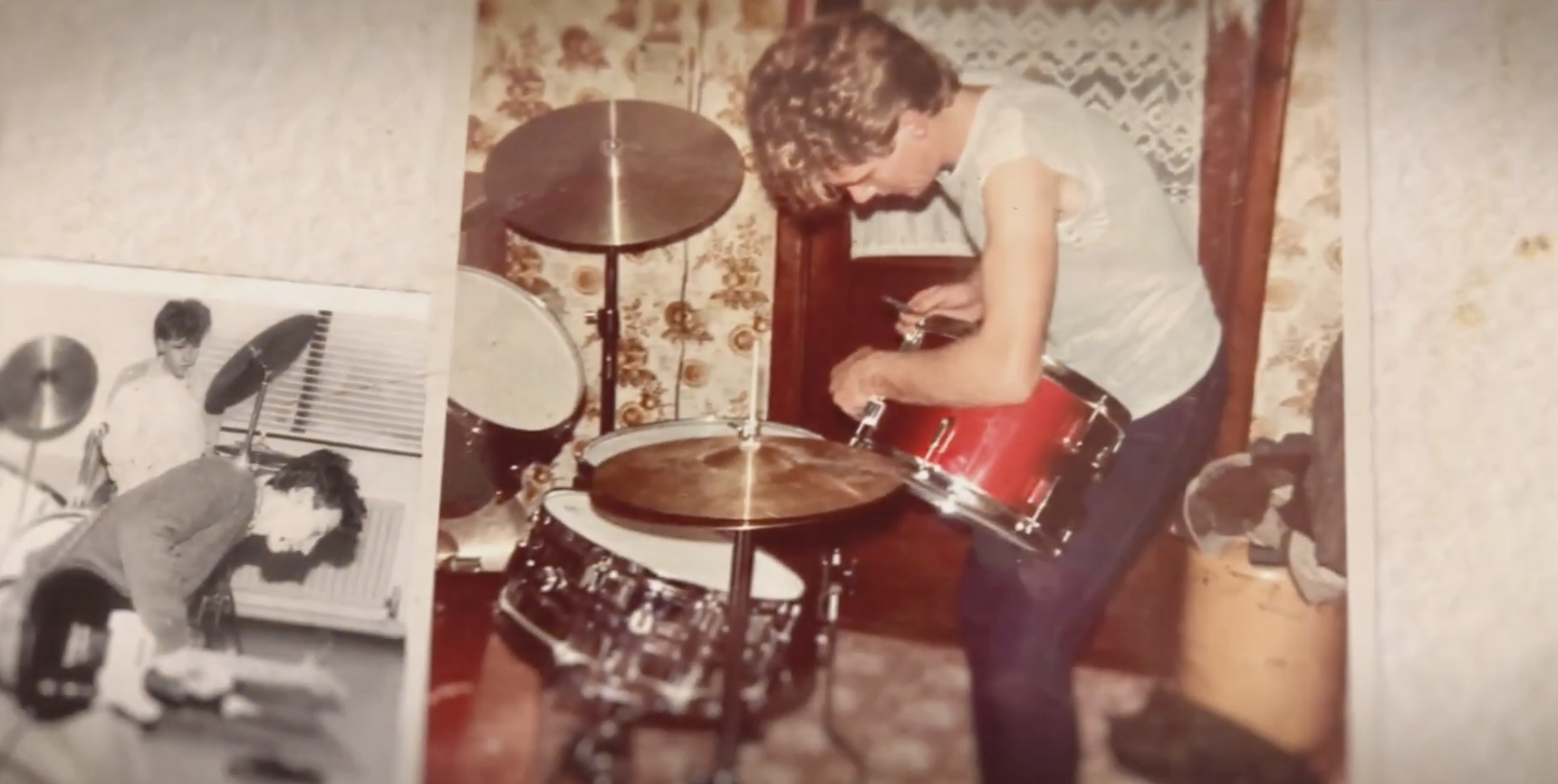
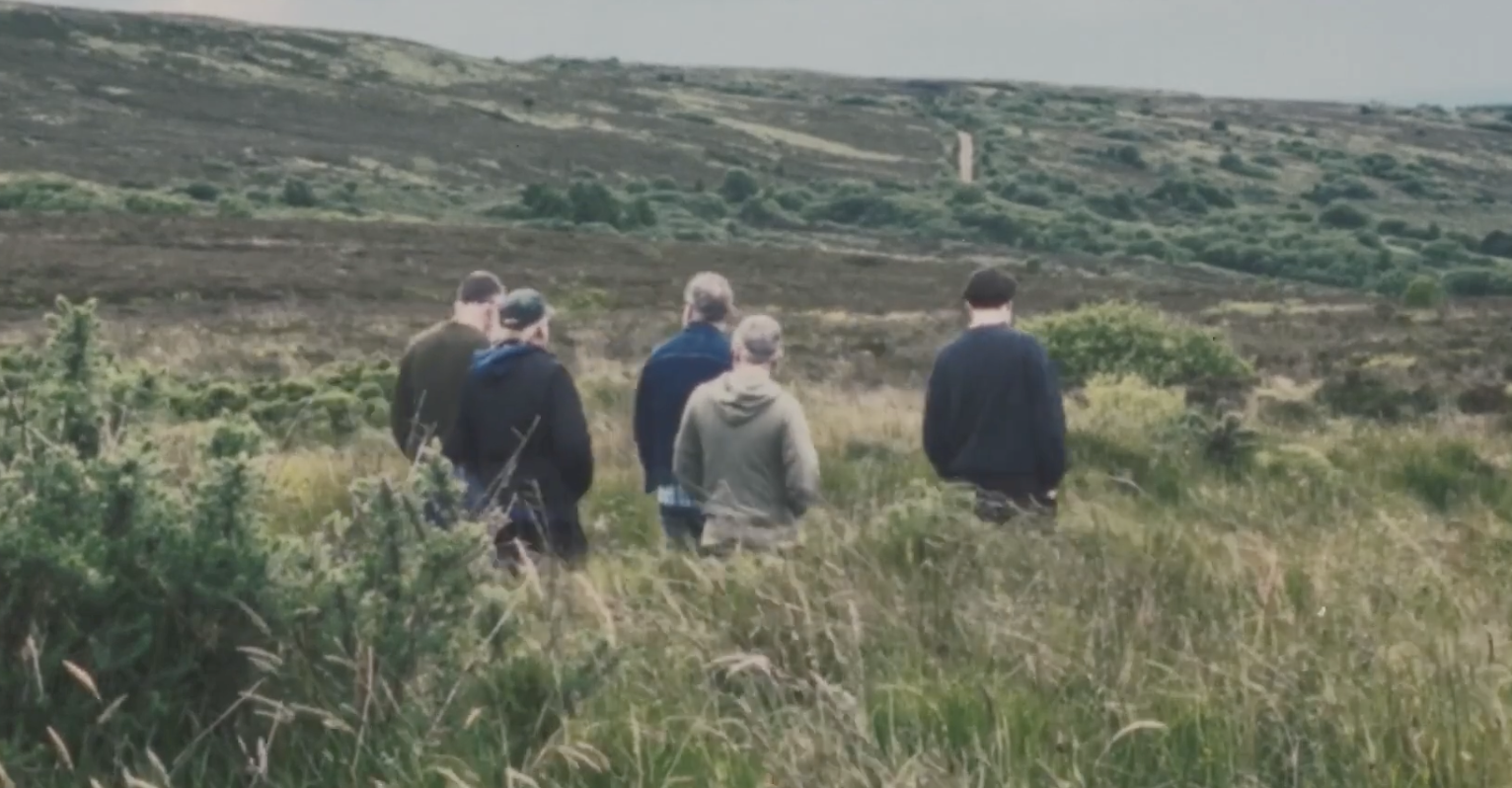
At that time, the four band members, Kelly, David Meagher, Noel Larkin and Paddy Glakin, were living across the US, Australia and Ireland. But they had grown up playing together in Bailieborough. “It’s my spiritual home,” Frank quips. This connection was enough to get Shouldice to chat to these four men, now in their fifties, about their life in music. They opened up about the band's history.
Having grown up at a time when Ireland’s economic prospects were bleak, the four started a punk band, The Panic Merchants. Yet, as the years progressed and these once punks grew older, they grew apart, and the band and music became less a part of their lives. Finally, Justin and Paddy moved continents away. They thought they’d wrapped up for good.
“They all had careers and families, but it was significant for me that, aside from David, none of them joined any other band. They didn’t come back together and they weren’t interested in playing in any other band. So when three of them met up after Justin’s mother’s funeral, they found themselves asking, ‘Why did we ever stop doing this?’ and there began the next part.”
Having reconnected, Justin, Noel and David decided they didn’t want to be in a “Dad Rock” band. They instead opted to commit to creating three albums, the first two of which had been released when Shouldice first heard them on the radio: Foundry Folk Songs in 2016 and a second album, Sinners and Lost Souls, in 2020.
There’s a circularity. When we premiered in Galway, they’d released the third album. It’s been a really great journey.
A Film Taking Shape
From the outset, Shouldice knew there was a story there, but he wasn’t 100% sure what that might look like in the early days. “I felt there was something at two years in. Then, I could see it.”
This was when he had learned that the band had been booked for a gig in the iconic Dublin venue, Whelan's. “That was the pinnacle potentially,” Frank began planning the filmmaking process for the reunion performance, set one year out. “We’d have to get to know the band long ahead of the gig, and it would be the culmination.
I had to take a bit of a punt on it without knowing and had to trust there was something.
Then, as the filming commenced, the story began to deepen beyond this tale of friendship and reconnection into the darker side of Irish history.
Seemingly by happenstance, Shouldice listened to a podcast about The Arms Crisis in 1970, and the trial of Captain James Kelly. Kelly was charged with for conspiring to import arms illegally for Northern republicans, but the case against him ultimately collapsed and he was not convicted. Frank mentioned this to Justin in passing.
It turned out the reason that the lead singer of this Cavan-based group had a Dublin accent was because Justin was the son of Captain Kelly. Justin's family had moved to Bailieborough after the trial.
There’s a poignancy and a respectfulness to the documentary’s discussion around Justin’s father. While the case was a matter for the State, it was still very much a family affair.
“It [Justin’s history] does not belong to the band. In the lyrics, he can go there if he wants to [...] But the references are quite opaque. ‘Terylene Men’ (from Sinners and Lost Souls) refers to when people came to his house to notify him [his father] that he was going to court. So you can see where he’s worked this artistically. I think it’s interesting, I found myself going through the lyrics for his family's history, but it’s not the only thing he writes about.”
Life Influencing Art
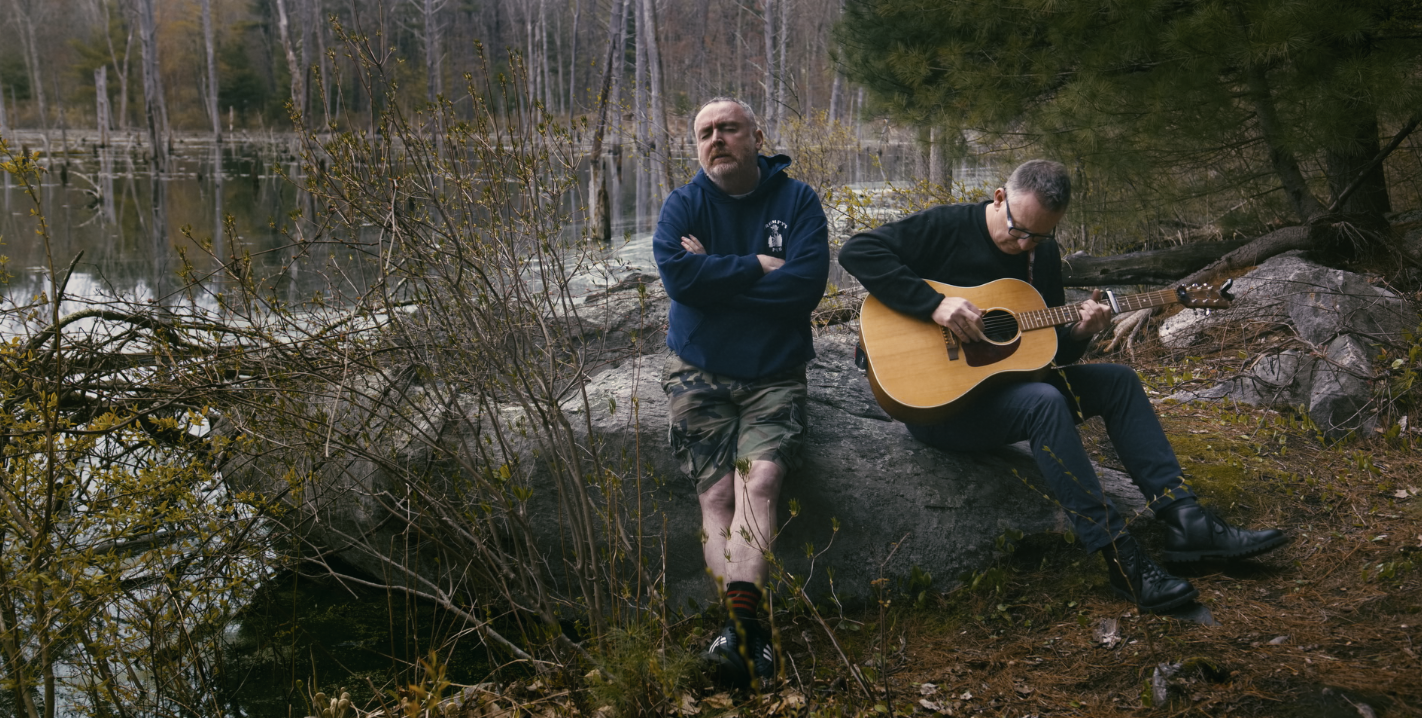
So what do they write about? Well, if you take ‘The Pop Inn’, the song that started it all, it’s about life in a rural town in the 80s. The name The Sons of Southern Ulster came from, to quote the film, “The three counties (Cavan, Monaghan and Donegal) that the Brits didn’t want and the Irish didn’t give a shit about”.
They were left in the backwater, left to their own devices.
Bailieborough, at the time the boys were growing up, was having an unlikely boom. “It’s not what you’d expect,” Shouldice says. “But they’re trying to get at something. They were left out and they want to put it on record, literally. There’s an account. This place matters and the people matter. Maybe a bit of anger.”
Anger is the cornerstone of the punk scene. When The Panic Merchants were first playing, Ireland was in the midst of economic recession and emigration was rampant. “There was frustration, and they were very influenced by the punk scene in the UK and America, New York.”
However, with the name change, and asked if it was only once that these men were punks, Shouldice chuckles. “Yeah, someone on social media said, ‘If you’re a punk, you’re always a punk.’ Music is a huge thing to them, and their sensibilities haven't changed. They’re more inclined to go local, small venues, rather than the big shows in The Point. More interested in what's going on in rural areas.”
The band’s sound has evolved over the years. Shouldice laughs, recounting Justin’s joke: “When we played in The Panic Merchants, I sounded like an American. Living in America for 30 years, I have a strong Dublin accent.”
But as Shouldice rightly adds, “Everyone would identify with trying to be someone else.” Now, rather than imitate someone else, Justin’s almost spoken-word delivery intertwines with lead guitarist David Meagher’s arrangements. Described as the band’s “Morrissey and Marr”, Justin and David spearhead much of the band’s creative output, with Noel on drums and Paddy on bass helping to make it all happen.
Equilibrium
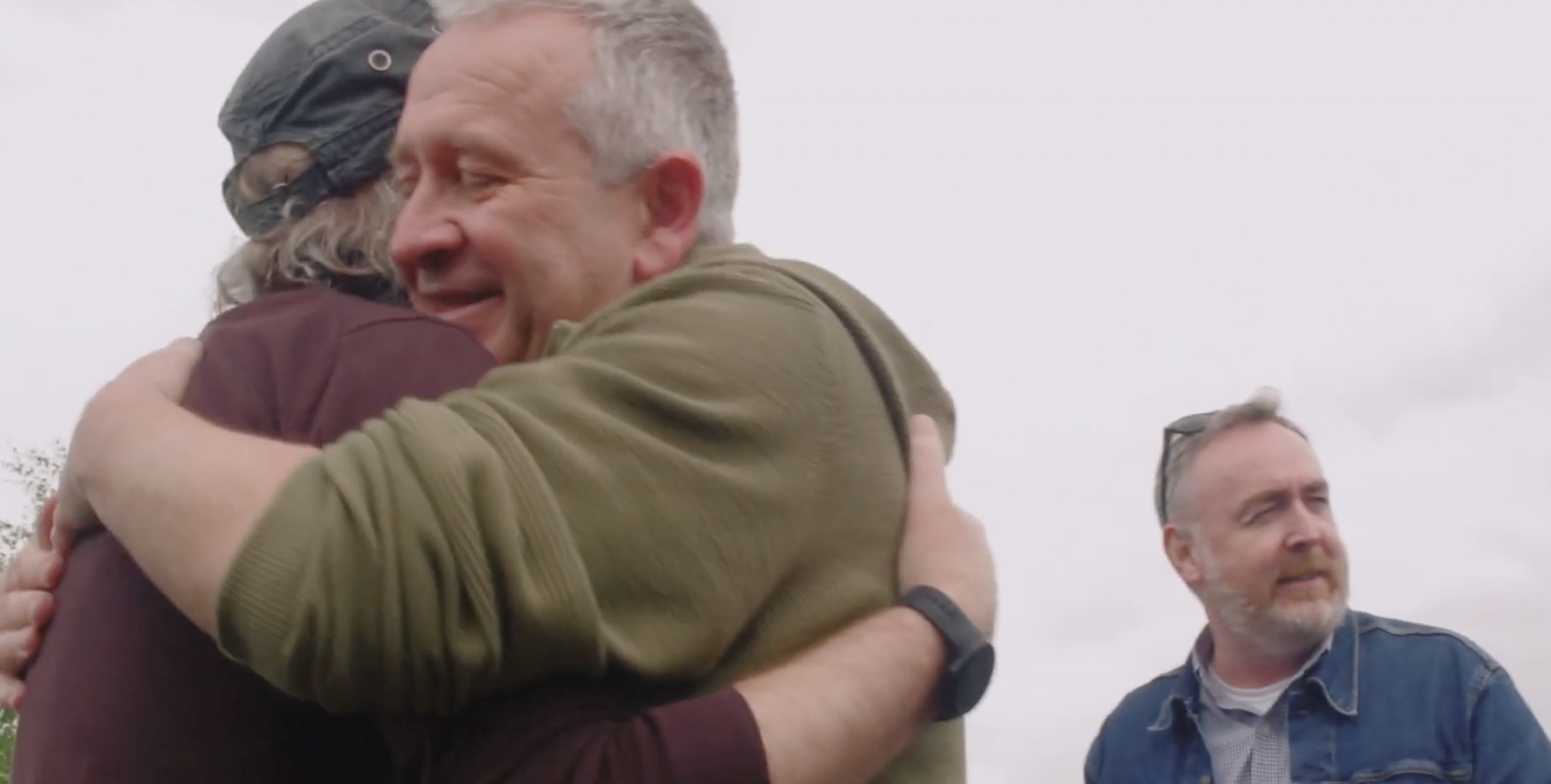
Paddy’s story feels, at times, separate to the other three, maybe because he is furthest away, maybe because he wasn’t there the night the band got back together. When asked about how he managed the different threads for each story, Shouldice thinks for a moment.
“It’s a balancing act in a way, and that’s not to diminish him. It’s Justin and David who do the songwriting between them, and Noel keeps them on the straight and narrow. And the relevant thing is, they went back to him. When it came to Whelan’s, they wanted him involved. Could have gotten a bassist, would have been simpler. It was almost like recalling, there’s an enduring friendship here, they called him back, they wanted him around.”
Another lucky chance happened when Paddy was back in the country for a medical event the same week as the Whelan’s gig. Fate really wants these men to be in a band.
In contrast to The Man Who Wanted To Fly, the film features archival footage that helps connect the band’s past and present interactions.
“Funny enough there was very little,” Shouldice laughs. “Not like now. The video they shot was a bit of a godsend (of the band in their youthful iteration). David found it nearly three years in, rediscovered at the eleventh hour. But there was no other footage so we needed to make the most we could of photos. It was very fortunate that when they were recording after the funeral, that David happened to take up a video camera and then forgot about it.”
For the Encore...
Forgetting and remembering. Together and apart. But always friends. It’s this friendship, and the dynamics of these men, that are really at the heart of what the documentary is all about for Shouldice.
“When they were in The Panic Merchants, they were trying so much to impress, to be cool. It’s a rite of passage. But when they reconvened and got going as The Sons of Southern Ulster, impressing didn’t enter their heads. And when they stopped trying, they got noticed. So the attention they get, I mean they’ve no promoter, they’ve no label. They started doing something fresh, new and, by the way, they’re in their 50s. So what is it about them? But they're resolved to do their own thing... The band’s been there for different times and different reasons... If you’re going to ask what the film is about, for me it’s about friendship. And music of course.” In summing up his film, Frank thinks long and hard before quipping, “To anyone who had any interest in music, or a notion about wanting to be in a band, this is like joining the band.”
Once We Were Punks is in cinemas on 15th May 2026.


