

Today Frank Berry’s The Lost Children of Tuam is released in Irish cinemas. Based on harrowing real-life events, the film follows the journey of Catherine Corless as she uncovers the story of the children who died at the former Tuam Mother and Baby Home and her crusade for justice.
Writer and Filmmaker Róisín Kearney shares her raw personal response to a film that confronts one of the darkest chapters in Ireland’s history, marking just one reaction of many to this moving and well told story.
There are films and TV shows I prepare for. I knew Frank Berry’s The Lost Children of Tuam would be one of them.
A sensitive, emotive film about Catherine Corless’s unwavering determination to find truth. To find the hundreds of missing babies, out of the thousands who were incarcerated in Tuam Mother and Baby Home. Incarcerated under the guise of some moral servitude they should endure due to the circumstance of their birth.
There is a hint of the abuse and gaslighting Catherine Corless herself endured at the time of the revelations. A moment standing in a supermarket when two women embody the attitude of so many ‘good Christians’ and ‘pillars of the community’.
Years of letters to the editor, calculated and planned, disingenuous comment in the hope she would let it lie.
I remember it. I remember a common fallacy at the time, that those little bones were there since the famine. Then, when it was proven they were not, the rumblings of “they should be left there in peace”.
In peace? Hundreds of children, aged from hours old to eight years. As if they could ever be at peace, piled high in the belly of a sewer system with no one to mourn them.
Our nation’s children were stolen, trafficked, enslaved, beaten, raped, and murdered by a system that replaced colonisation with domination. A patriarchal shame was enforced by church and state, by man and woman. The fear of a burning soul weaponised against our own flesh and blood.
Magdalene laundries and mother and baby homes were still operational when I was in school. In this era, you could legally rape your wife, and ogle topless underage girls on page 3 in the daily newspaper.
We were taught our worth by the action and inaction of a state meant to protect us. A state that promised to value all children equally. We continue to hear the message loud and clear.
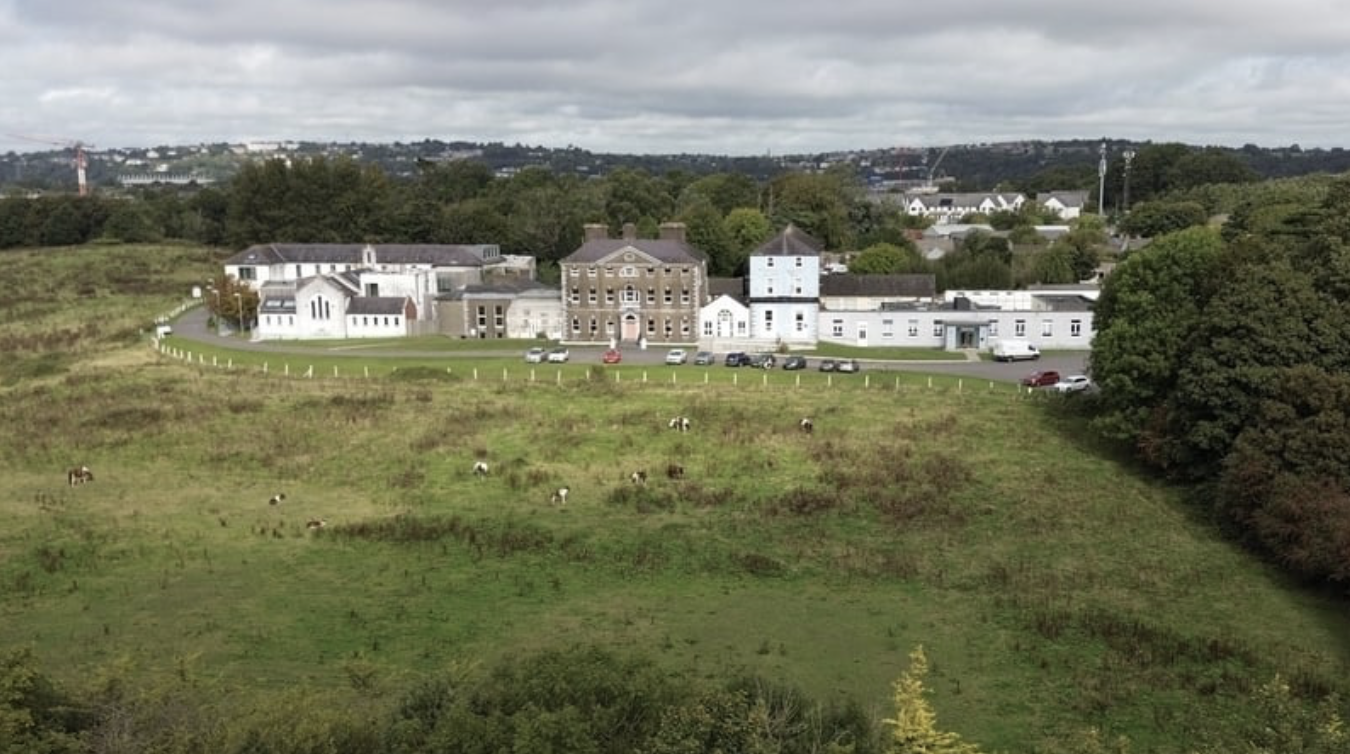
Bessborough, another unopened grave for the babies who were supposed to bring us ‘shame’.
That shame should be reserved for those who choose profit then and now. Those who would desecrate their unmarked graves, deny their personhood for an apartment block in the hopes their lives and deaths will be forgotten.
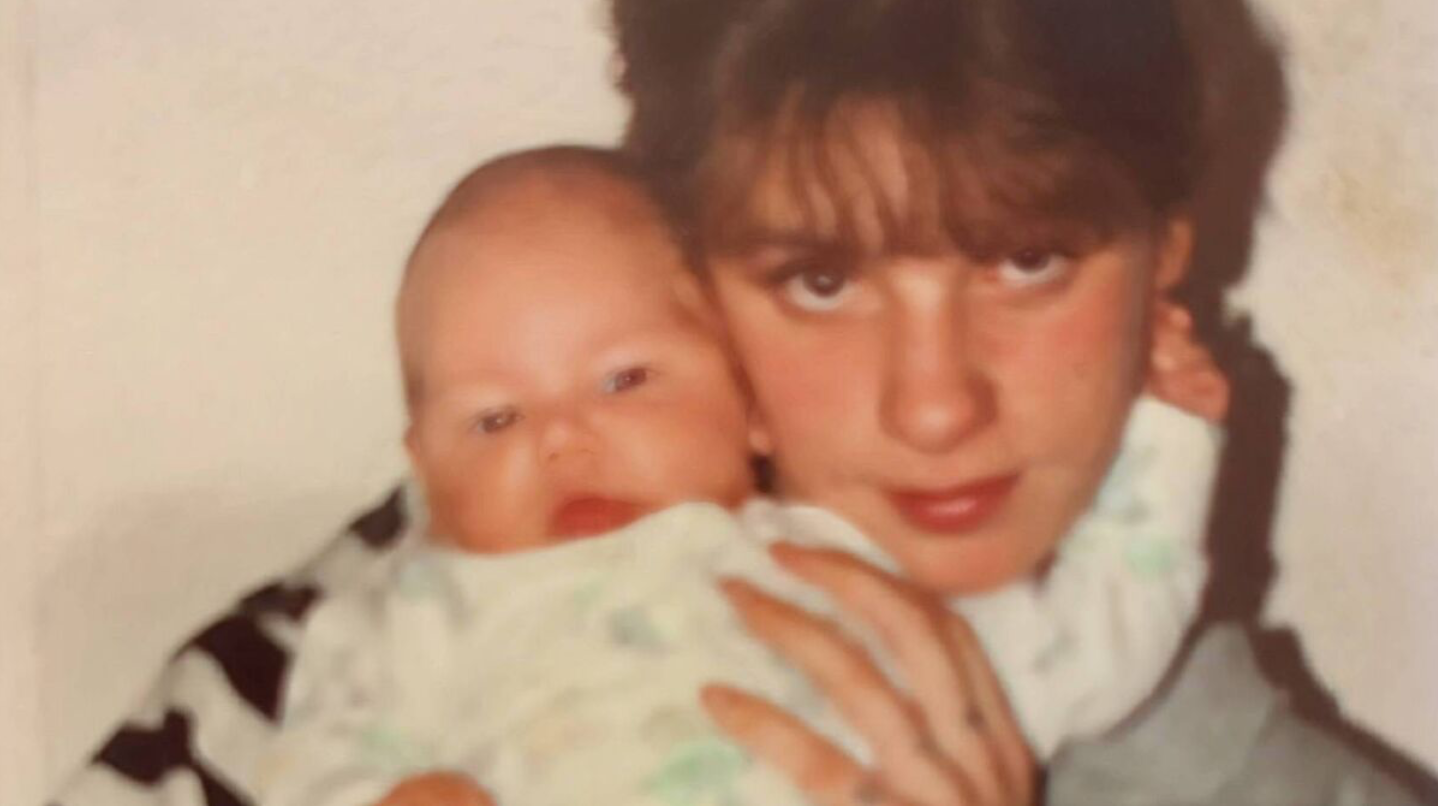
But they will not be forgotten because, just as we existed in our grandmother’s womb and carry our children’s DNA in our bodies long after their birth, those little lives lost will remain part of our legacy. Thanks to Catherine Corless, the survivors, and her supporters, the voiceless have been given voice.
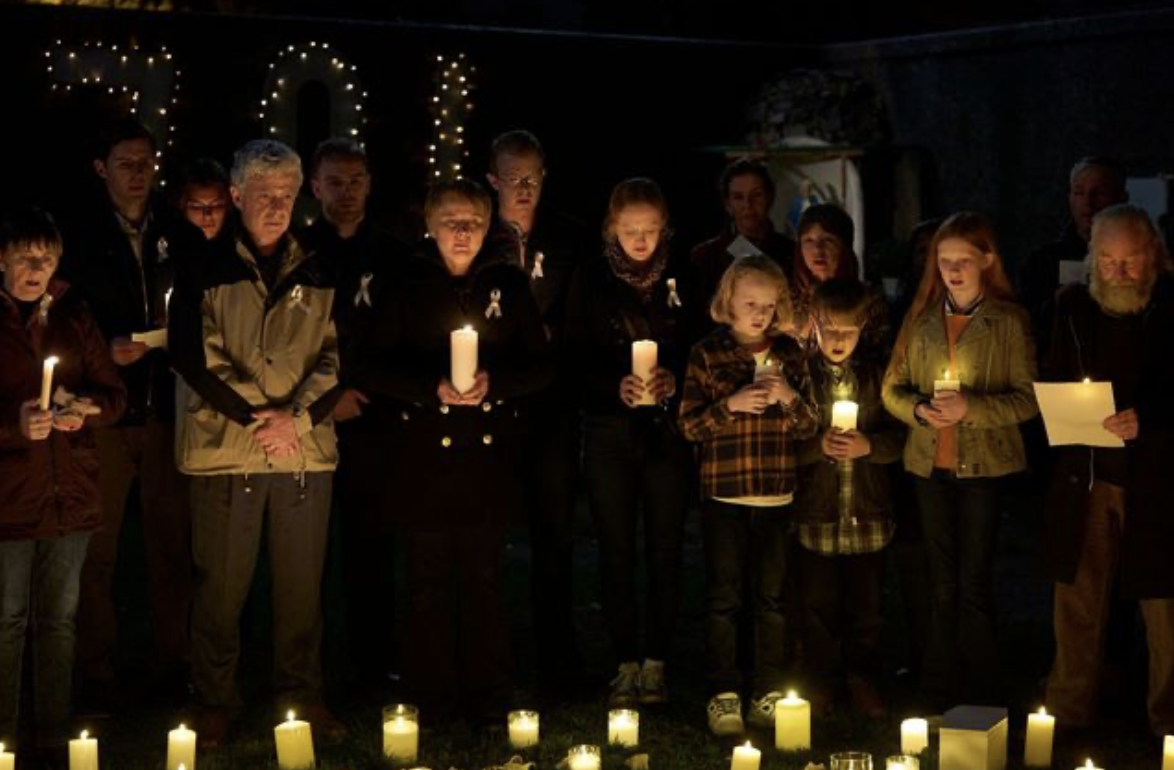
The Lost Children of Tuam has been made and in its success a light will be shone on the resilience and strength of a woman who refused to give up. She found 796 babies and children who will have their short lives memorialised and mourned.
Catherine Corless’s dogged determination held us all to account and forced us to see our part in the acceptance of this brutality. Hopefully, in bringing her story to the world, this film will inspire us to do better, to speak louder, to put our own feelings of shame at past inaction aside, regardless of consequence.
In Galway, Dr. John McArdle writes:
I have been following the work of Catherine Corless for 12 years and I continue to be amazed at her tenacity, resilience, courage, humility, patience and fortitude - and that of her family - to bring this story of utter darkness out into the light. Not just for the people of Ireland to see, but the world to see. When Enda Kenny delivered his damning and compelling speech to the Dail many years ago I had hoped that for Catherine's sake and the children of the mothers of the Tuam Mother and Baby Home would have seen much more progress, more quickly into the investigations of what went on.
I was delighted to learn that the story was picked up and followed up with this film by Liam Neeson whose humanity and compassion to make it happen has no doubt lifted Catherine's spirits.
I had the great privilege - and a privilege and honour it most certainly was - to see the film today at the EYE Cinema in Wellpark, Galway. It was a most wonderful documentary of the amazing investigative and forensic work led by Catherine and whilst sad and tearful at many moments, I was also utterly in awe of the ability of Catherine and indeed her husband and children to keep on going through their pain and challenge moments dealing with "small town Ireland" behaviours and the horrendous behaviours of the Sisters they met in person.
I sincerely hope, Film Ireland, that this heart rendering story will be told across all cinemas in Ireland and beyond, and released to national broadcast and / or streaming services and heavily promoted.
As Ryan Tubridy's Late Late Show coverage with Catherine posed almost 10 years ago: "What is wrong with this country that we are not serving the women of Ireland today". That reality has not changed with the horrendous state of the maternity units in many of our hospitals - including University Hospital Galway - and the dangers posed to many of our young women who live in fear of or have experience abuse, rape and even murder in the last decade.
Catherine Corless sacrificed so much to make the voices of forgotten people heard - the fight must go on for a better Ireland for our women and children especially.Please convey my deepest thanks to all who were involved in the production and delivery of this incredibly moving film.
Regards,
Dr. John McArdle,
Moycullen Galway
Through remarkable restraint, Berry has made a film that is not only about the dangers of silence and the importance of breaking it, but also about what is possible when individuals decide to pursue the truth and follow their conscience. The Lost Children Of Tuam is a profoundly moving, beautifully controlled film about what happens when one woman decides that the missing must be accounted for.
It is of course about cruelty and complicity, but it is also about persistence, testimony and the radical moral force of paying attention.
I have thought of this film every day since I’ve seen it. Which means I’ve thought of those children. And isn’t that the entire point.
Writes Roe McDermott in Hotpress. Read her full review here.
THE LOST CHILDREN OF TUAM will definitely be a hit at BAFTA but it should be on everyone’s watchlists. An essential examination of truth, reconciliation and the worst of humanity. Monica Dolan delivers an emotional performance as a woman who makes the grisly discovery of 796…
— Sara Clements (@mildredsfierce2) September 14, 2026
“The film left me reeling… It is difficult to describe the seething rage I felt watching The Lost Children of Tuam,” writes Emer McLysaght in the Irish Times.
"There is an outwardly restrained dignity to it that is highly impressive...The faces and voices of the local people we watch belong to actors, but the film honours the real ones, still waiting for more than a one-size-fits-all official statement of regret by the Bon Secours order that their children were inappropriately buried." writes Helen Hawkins for The Arts Desk.

"With this fine film, Frank, Rebecca, the producers (including Liam Neeson who kept faith with this project over the nine years it took to come to fruition), and the entire creative team have honoured the memory of the Tuam children and the selfless work of Catherine Corless and her supporters. In the process, they too, have done this country a considerable service." Writes Orla Murphy for Film Ireland.
The Lost Children Of Tuam
— Patrick Clohessy (@frodomunster) September 21, 2026
Such A Sad Story
So Much Covering Up and Corruption from the Catholic Church
Catherine Coreless what a woman she is @TuamHerald #CatherineCoreless pic.twitter.com/KOxgVKMFi1
On Meta, Journalist, Comms Consultant and Co-Founder Writers Ink Maria McHale writes: "The director Frank Berry does a great job on the story and there's a part of the film which overlays opposition leader Enda Kenny's Dail speech at the time - his full speech is worth reading anyway but it reminded me what he said:
‘No nuns broke into our homes to kidnap our children…. We gave them up because of our perverse, in fact, morbid relationship with what is called respectability. Indeed, for a while it seemed as if in Ireland our women had the amazing capacity to self-impregnate. For their trouble, we took their babies and gifted them, sold them, trafficked them, starved them, neglected them or denied them to the point of their disappearance from our hearts, our sight, our country and, in the case of Tuam and possibly other places, from life itself.’
We do love to blame the church for the draconian hold it had over Irish society back in the day but that line really got to me - our society allowed all of the cruelty to happen in plain sight." Read her full post here.
The Lost Children of Tuam is excellent.
— Órla Ryan (@orlaryan) September 19, 2026
A poignant retelling of the painstaking and vital work undertaken by Catherine Corless.
Congratulations to Frank Berry, Monica Dolan and all the team.
Go see it if you can. pic.twitter.com/eEyvKXmGtI
In another Meta post, Thomas Hopkins writes: "Last night and to say it was emotional for a lot of the audience would be an under statement, having seen this powerful portrayal of the Tuam others and babies home, saga three times and also working on it, has been a privilege...It is compassionate, fair, honest, and at certain moments... funny?" He adds at the end, "But hey! Don't take my word for it. Please go and see this movie and draw your own conclusions." Read his full post here.
What Frank Berry & his creative team have done is profound.
— Gemma Creagh (@Creagh_Fish) September 24, 2026
The Lost Children of Tuam not only captures the weight of the harrowing injustice, but manages to celebrate the humanity of everyone who faced it.
Awards may be coming but this needs to be taught in schools. pic.twitter.com/G6ZmM58ZCo
“Berry shows restraint in his direction, allowing the facts to fuel the drama.” Writes Nikki Baughan for Screen Daily.

"A painful, devastating film. It feels scraped clean of anything unnecessary that might trivialise, fiction-ise or movie-ise what happened at St Mary’s, home to thousands of unmarried women and children between 1925 and 1961." Writes Cath Clarke for the Guardian.
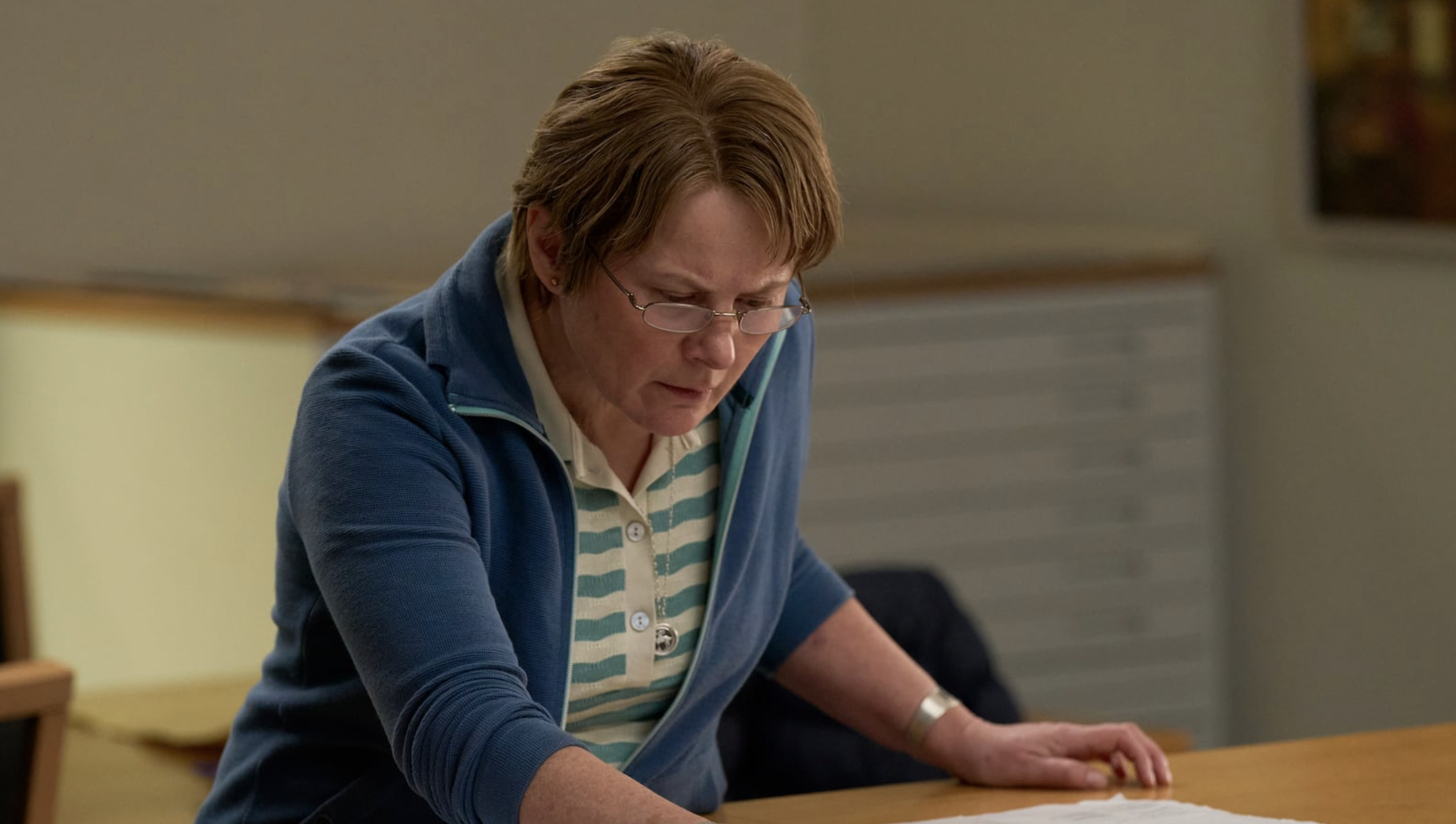
The Lost Children of Tuam
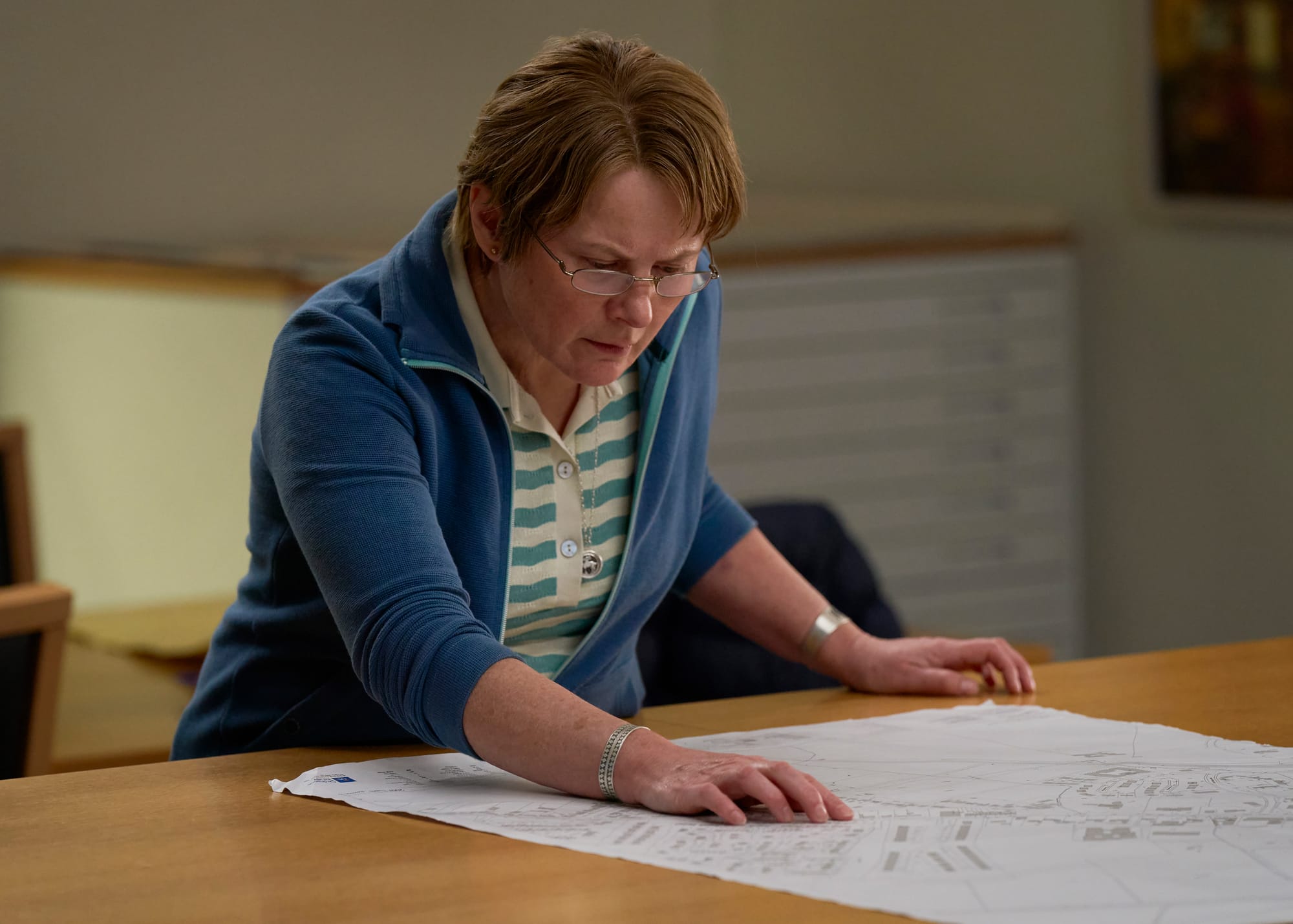
When amateur historian Catherine Corless begins examining records from a former Mother and Baby Home in Tuam, Co. Galway, she stumbles upon evidence pointing towards a deeply troubling past. Refusing to let the questions go, she embarks on a painstaking investigation, putting her in conflict with the Church, State, and local town. As official resistance mounts, and unsettling discoveries emerge, her determination challenges powerful institutions, exposing a hidden chapter of Ireland’s past that many would rather keep hidden.
The Lost Children of Tuam is in Irish cinemas on 25th September 2026, and in the UK on 9th October 2026.


