

In this article, Dublin-based filmmaker Meghan Mickela gives her top picks of on-screen representations of sapphic love stories.
Each year, major publications such as Dazed, The Cut, and Wonderland curate lists celebrating standout queer cinema during Pride Month. Yet, what is often missing is a truly comprehensive spotlight on WLW (women loving women) films. Among those that do make the cut, you'll find the usual suspects: Portrait of a Lady on Fire, Carol, Ammonite, Tár, Love Lies Bleeding. While these titles are beloved amongst audiences, and rightly so, there are plenty of powerful stories that break the mould of traditional sapphic stories.
Next time you’re planning a movie night or are stacking that Netflix queue, be sure to include some of the films below. They might not be period dramas, and Kristen Stewart doesn't feature in every single one of them. In some rare cases, they might even allow audiences to walk away without causing irrevocable damage to the heart. This list seeks to shine a light on overlooked gems alongside older films that deserve to be rediscovered by a new generation of audiences.
Note: Female directors are the priority in these stories and, in the hope of rewriting classic tropes, happy endings are encouraged.
*Male director
**Happy ending
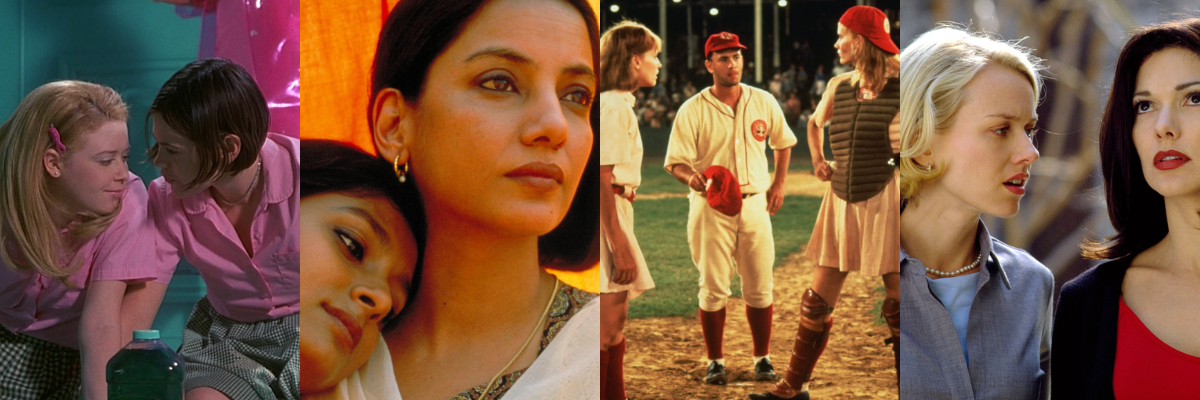
Sapphic Classics
No list would be complete without the must-sees, the films you’ve probably heard of and perhaps already watched. These are the mainstays of sapphic cinema. Most are now over 20 years old, placing them firmly in the fine wine category. They may belong to another decade, sometimes even another millennium, but their stories continue to resonate just as powerfully, if not more so, with audiences today.
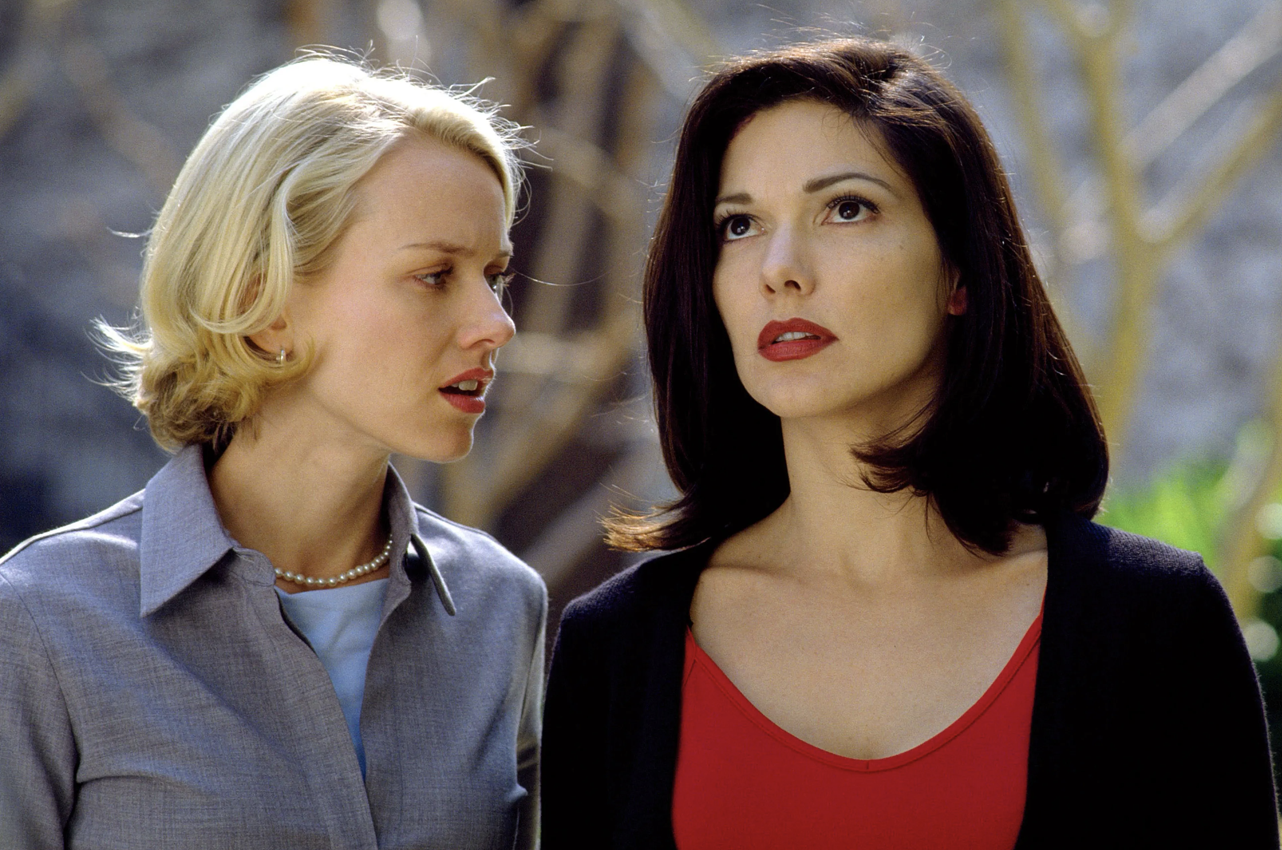
Mulholland Drive (2001)
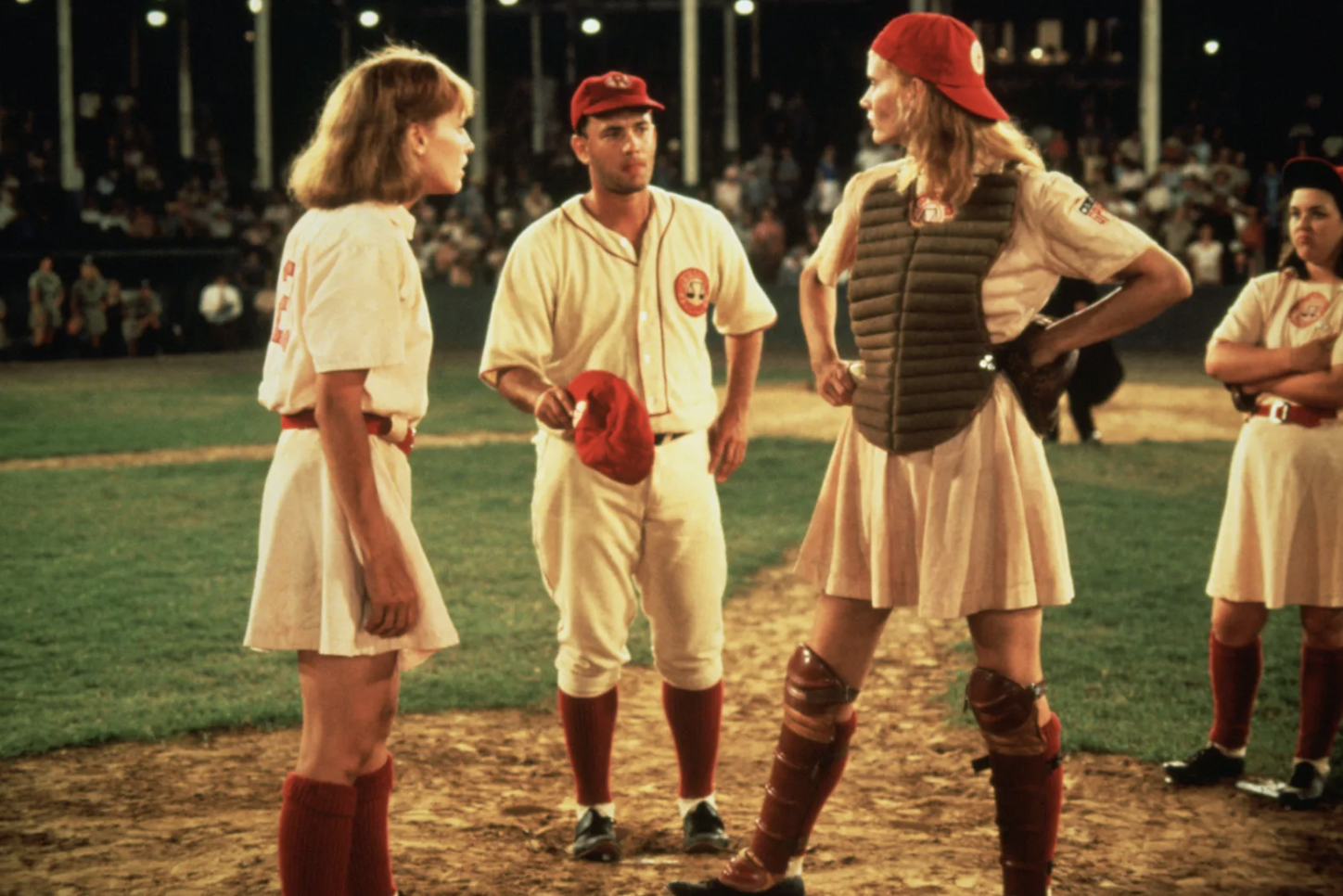
A League of Their Own (1992)
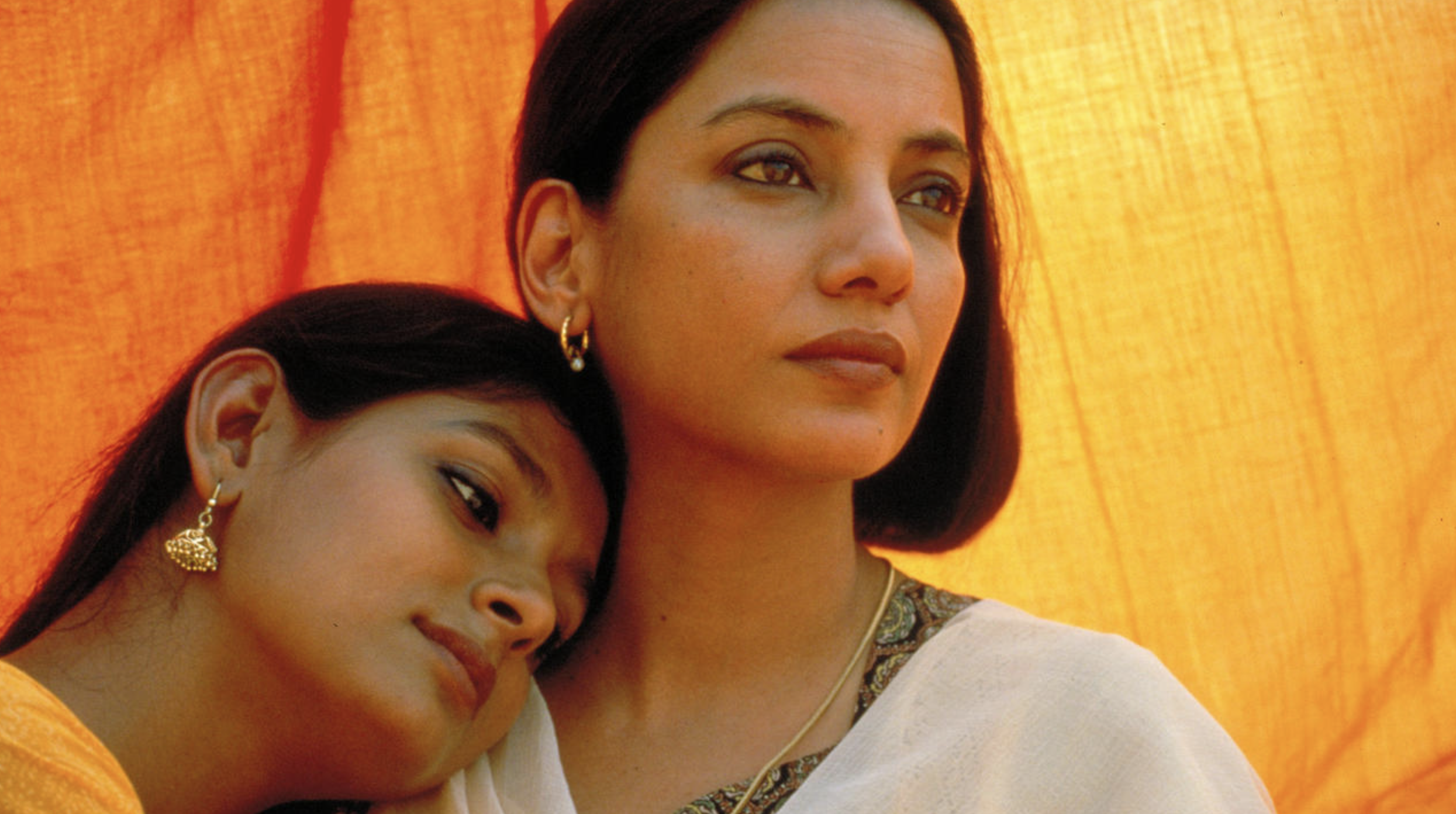
Fire (1996)
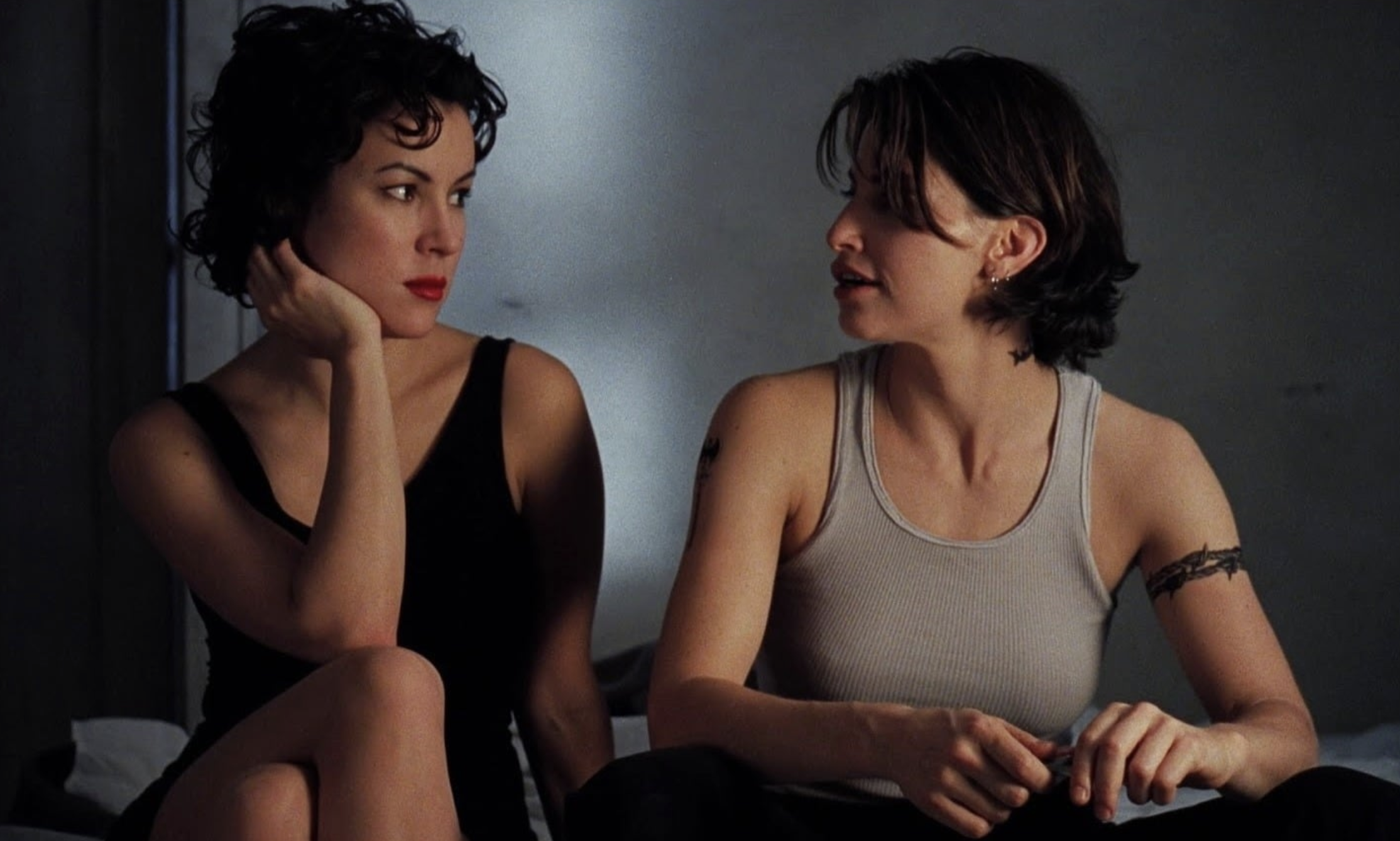
Bound (1996)
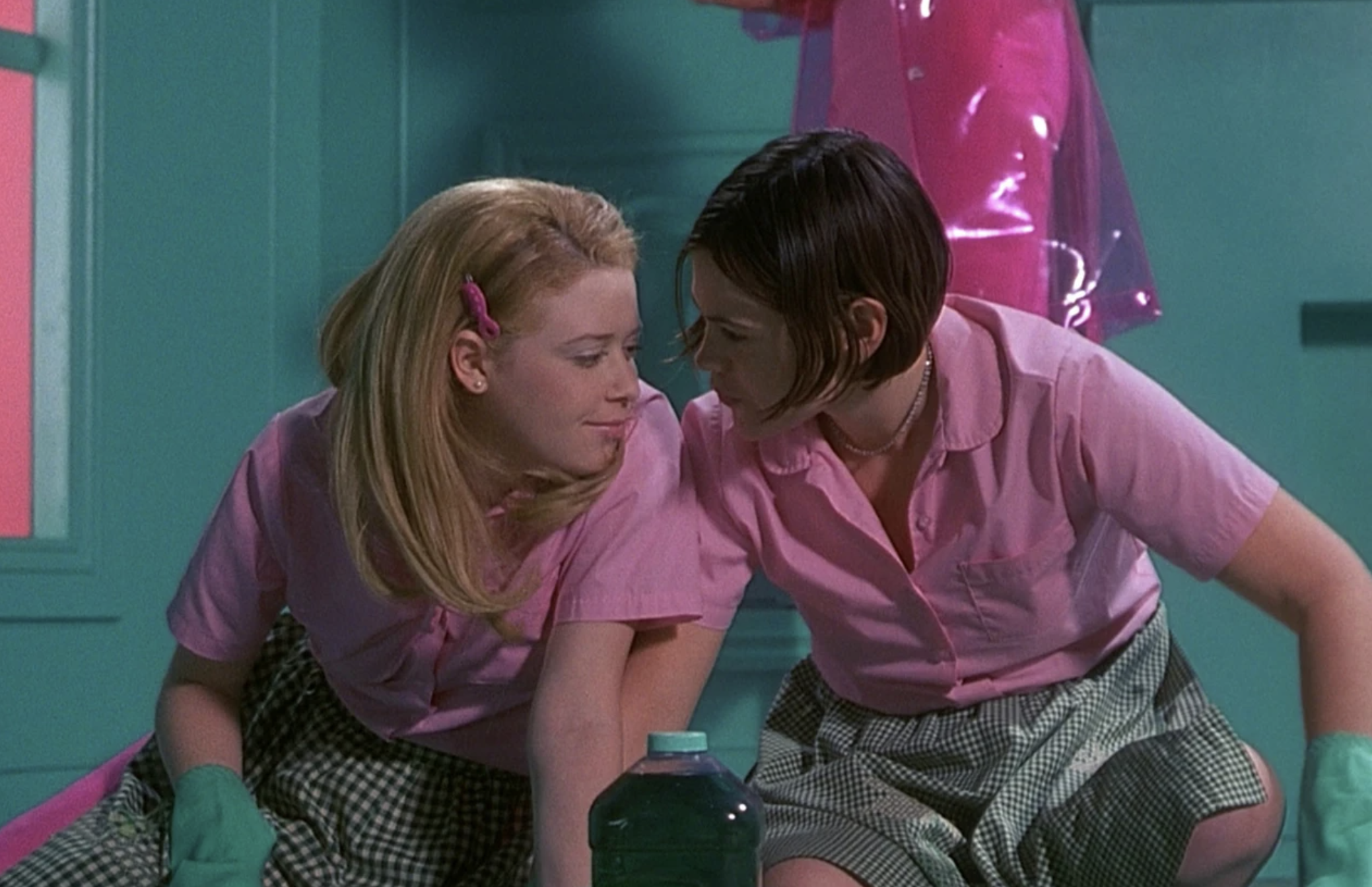
But I’m a Cheerleader (1999)
Desert Hearts (1985)
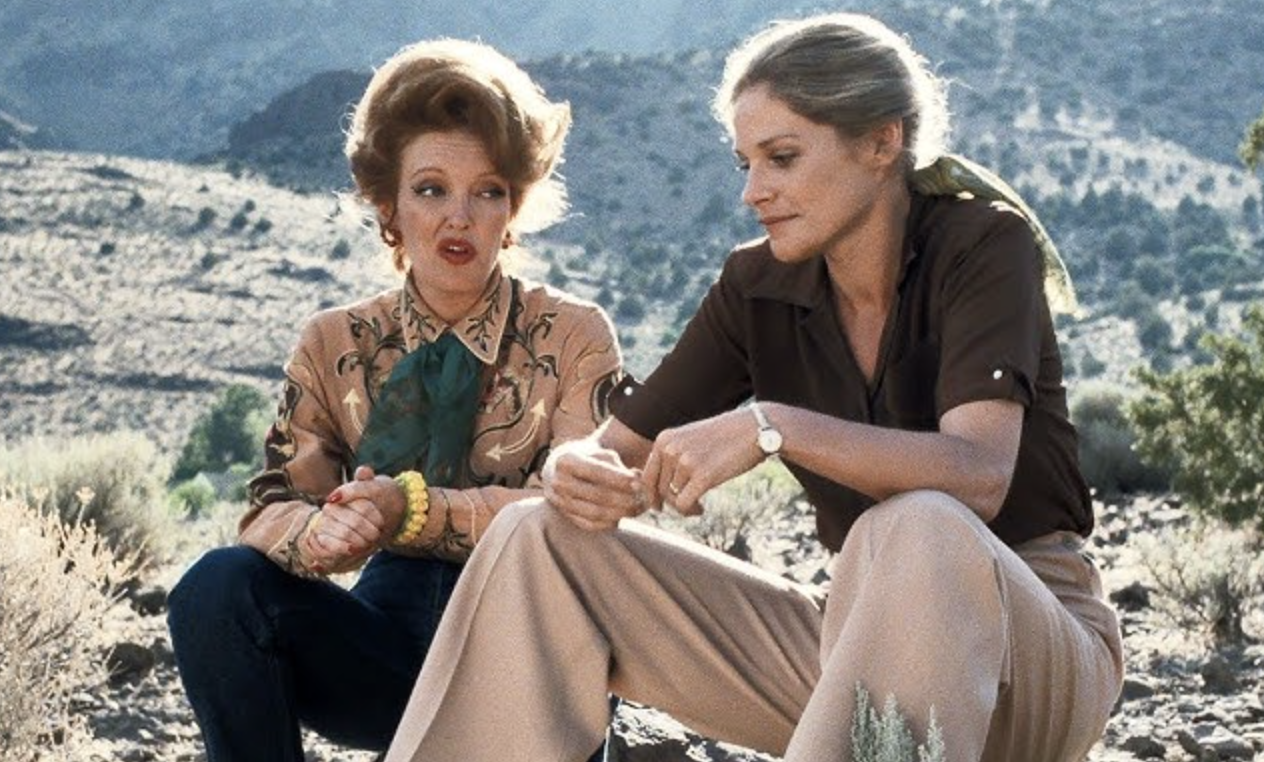
A beloved gem that is seldom recognised, this film is set in the 1950s and follows recent divorcee Vivian. Vivian moves to a ranch in Nevada where she meets the ranch owner's daughter, Cay. The film is a perfect example of a WLW film directed by a woman, featuring wholly formed characters and a nuanced relationship. The Nevada desert offers a picturesque backdrop, juxtaposed with subtle performances and tacit desire. Adding to the film's likeability is an impeccable soundtrack of jukebox favourites.
The Watermelon Woman (1996)
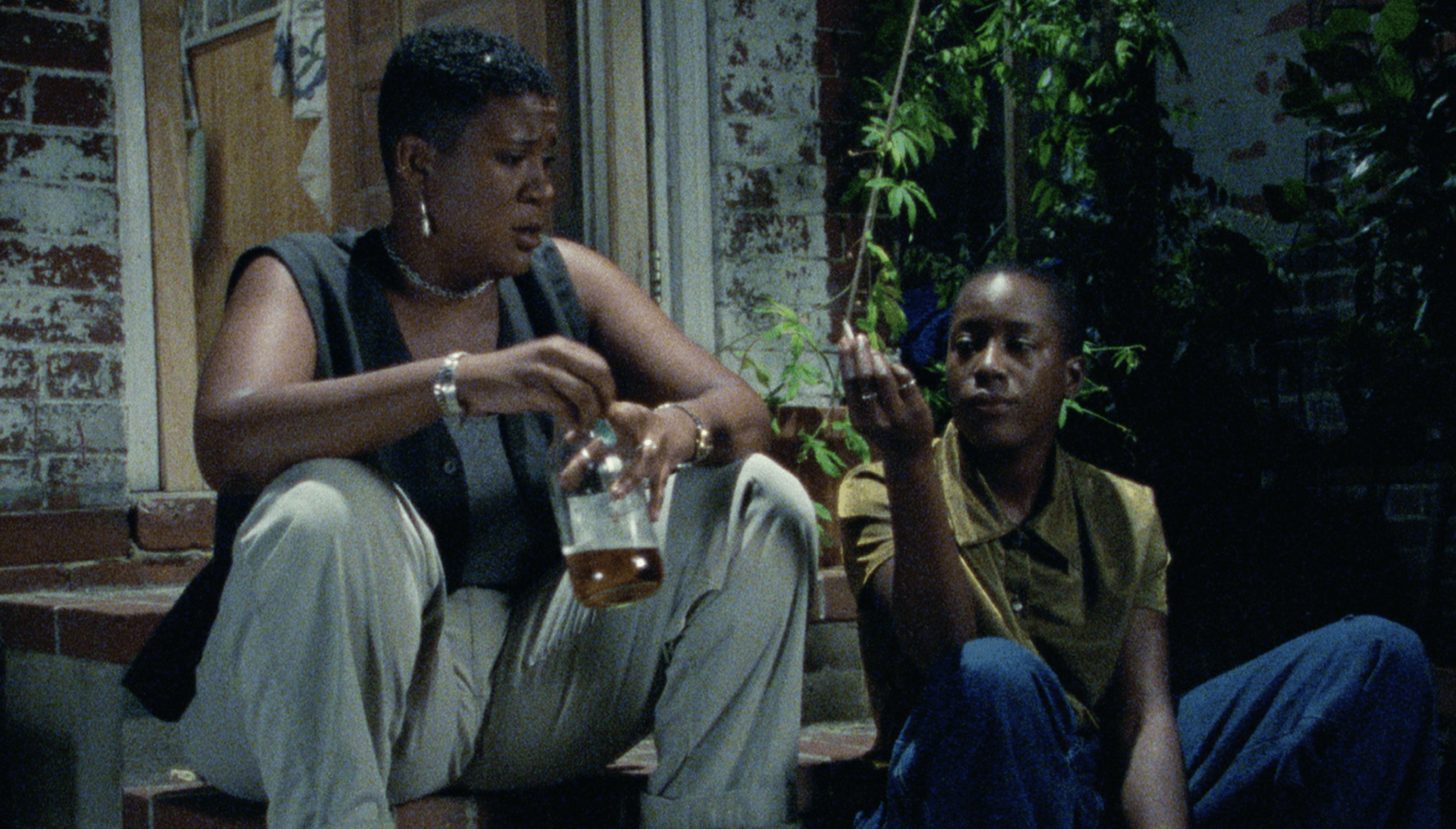
Cheryl Dunye directs herself in this pseudo-documentary that follows the mysterious actress known as The Watermelon Woman. Cheryl documents her day-to-day life working in a video store and running a videotaping business with her best friend. Cheryl’s own escapades in dating are documented as she traverses the lesbian scene of 1990s Philadelphia. Using both the format of a documentary through interviews and footage from 1930s films, this film presents both Cheryl’s experience as a Black lesbian in parallel with the mysterious subject of the documentary.
Older Unknowns
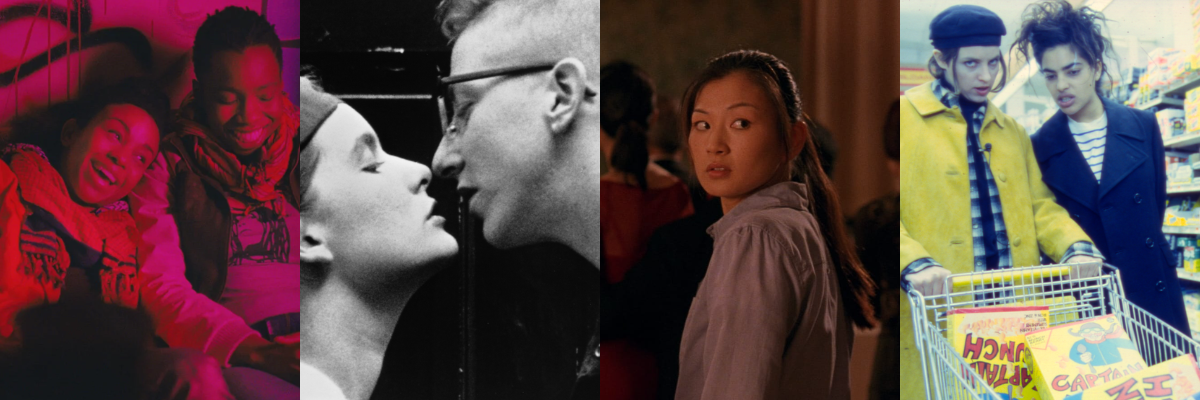
In this section, many of these films were remarkably ahead of their time. Some found an audience within the independent film scenes in which they were released, while others sparked controversy for exploring subjects that were still considered taboo. Most are undeniably products of their era, and include depictions of lesbian characters and storylines that are now open to criticism. Yet they remain important viewing, offering an opportunity to consider the breadth of sapphic storytelling and to recognise how these earlier works helped shape and expand the stories we know and love today.
Show Me Love (1998)
Saving Face (2004)
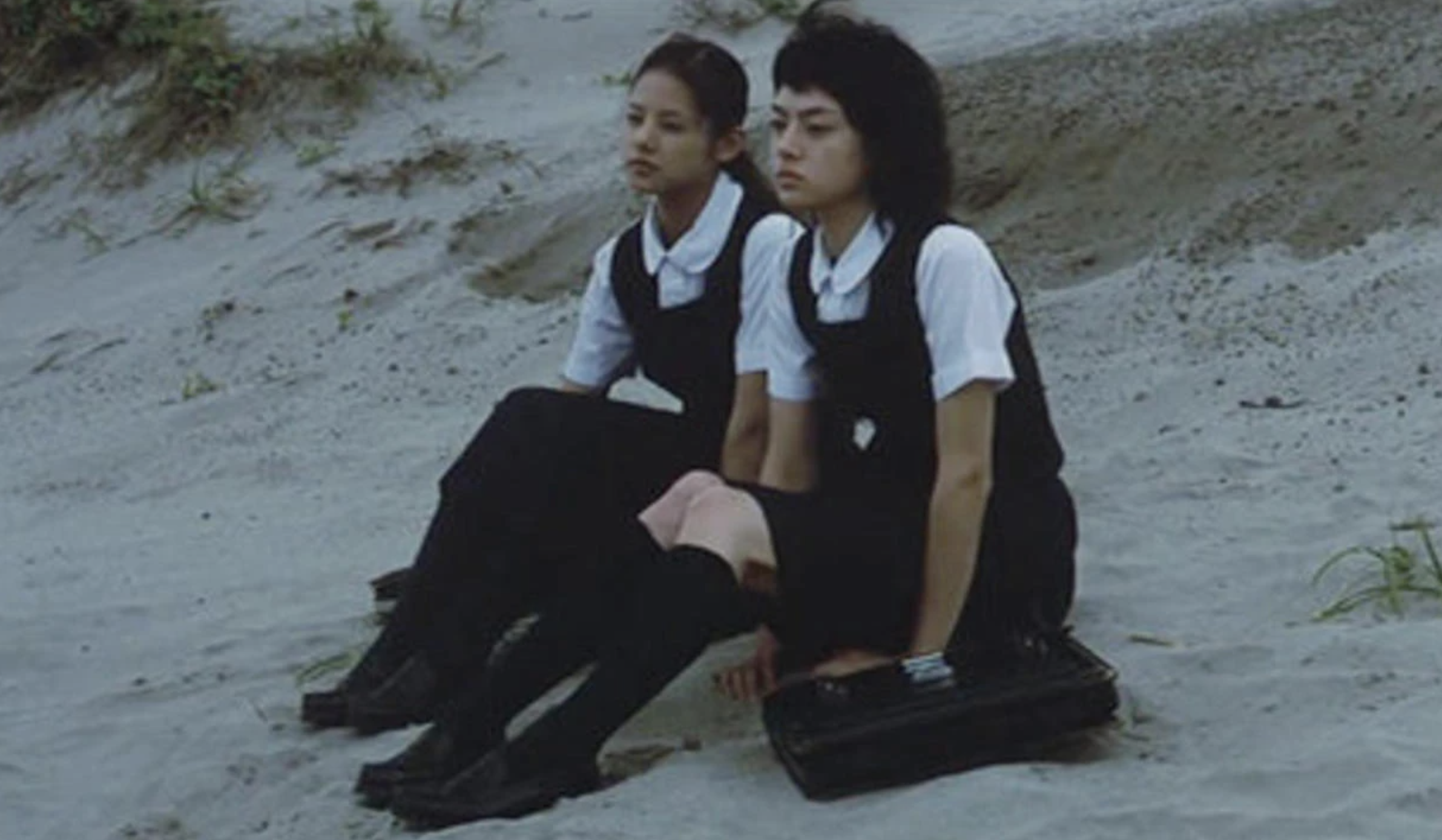
Murmur of Youth (1997)
Personal Best (1982)
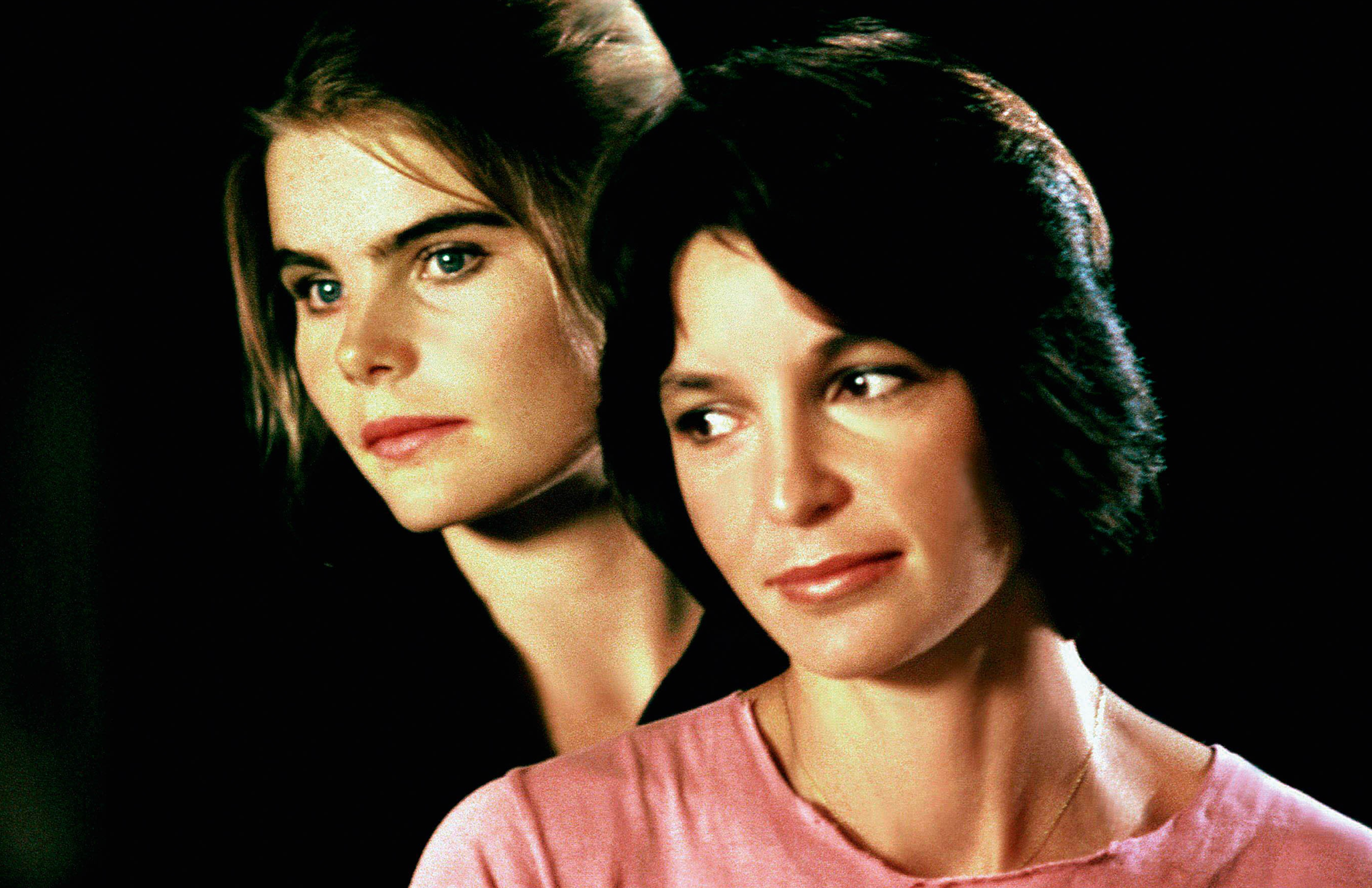
In the world of track, Chris is determined to be the best. Tory is a star in her own right, destined for the Olympic team. When Chris and Tory meet, their relationship quickly evolves through their mutual passion for their sport. With Mariel Hemingway starring, Michael Chapman’s striking cinematography, and Jack Nitzsche’s (Stand by Me, Mermaids) classic 1980s score, the film remains compelling. It is also worth mentioning that Tory (Patrice Donnelly) is herself an Olympic runner, making this her first acting role.
Fresh Kill (1994)
Pariah (2011)
The Incredibly True Adventure of Two Girls in Love (1995)
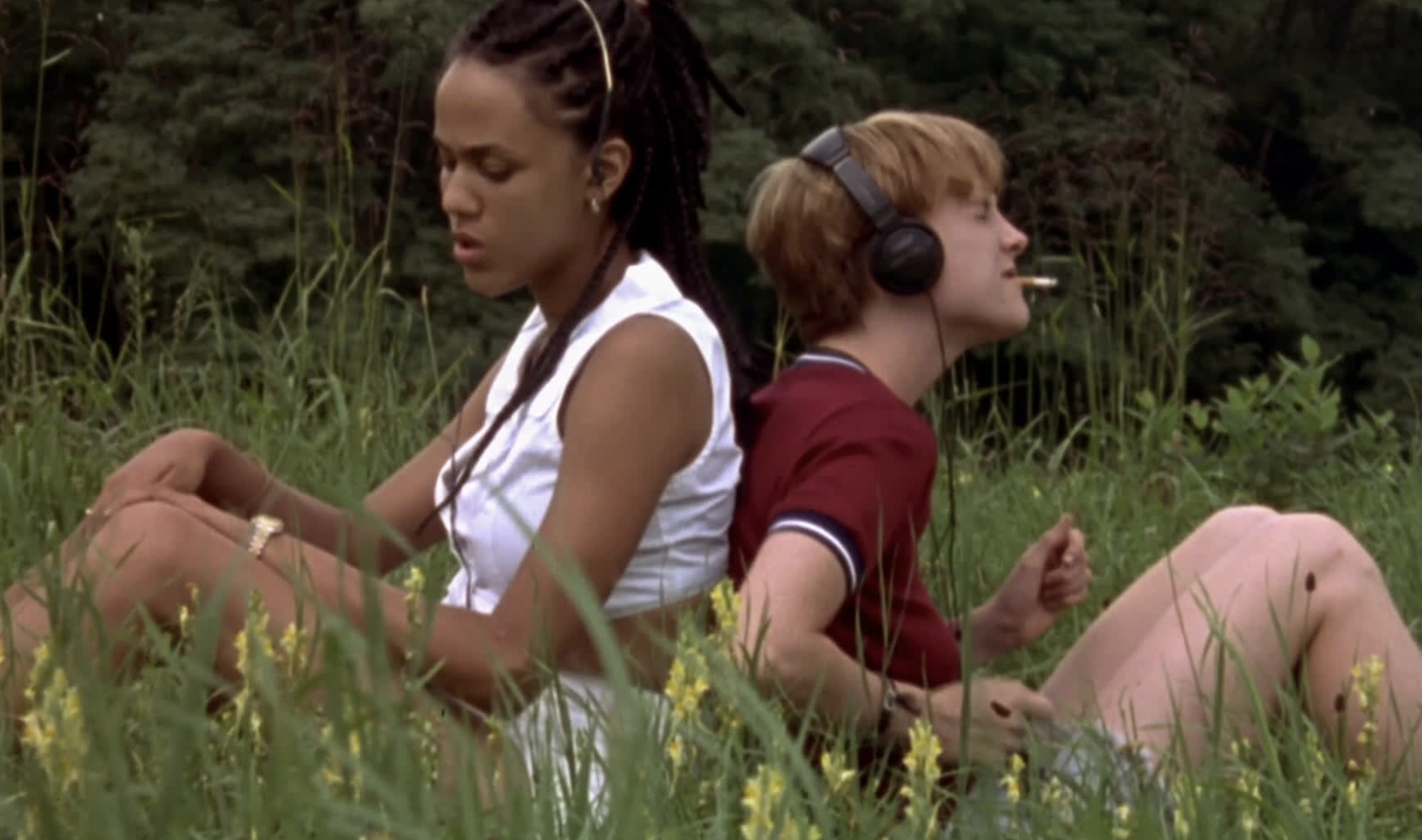
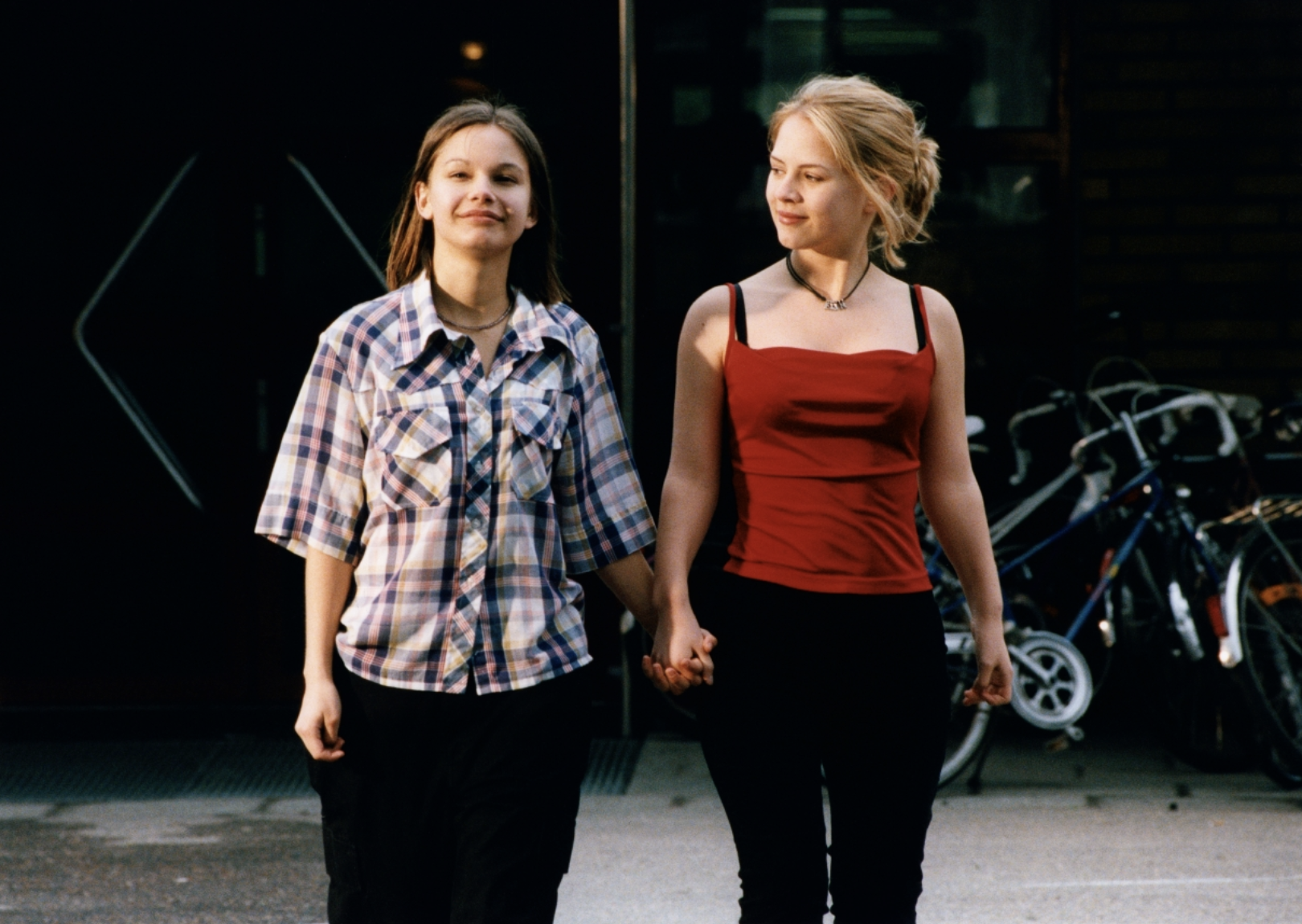
Another 1990s lesbian film full of vests, amazing haircuts and masc lesbians, this film follows the beginning of a teenage relationship. Following misfit Randy and the perfect student Evie, a detention leads to an infatuation between the two students. Their relationship is the kind of adolescent daydream that is sweet and simple.
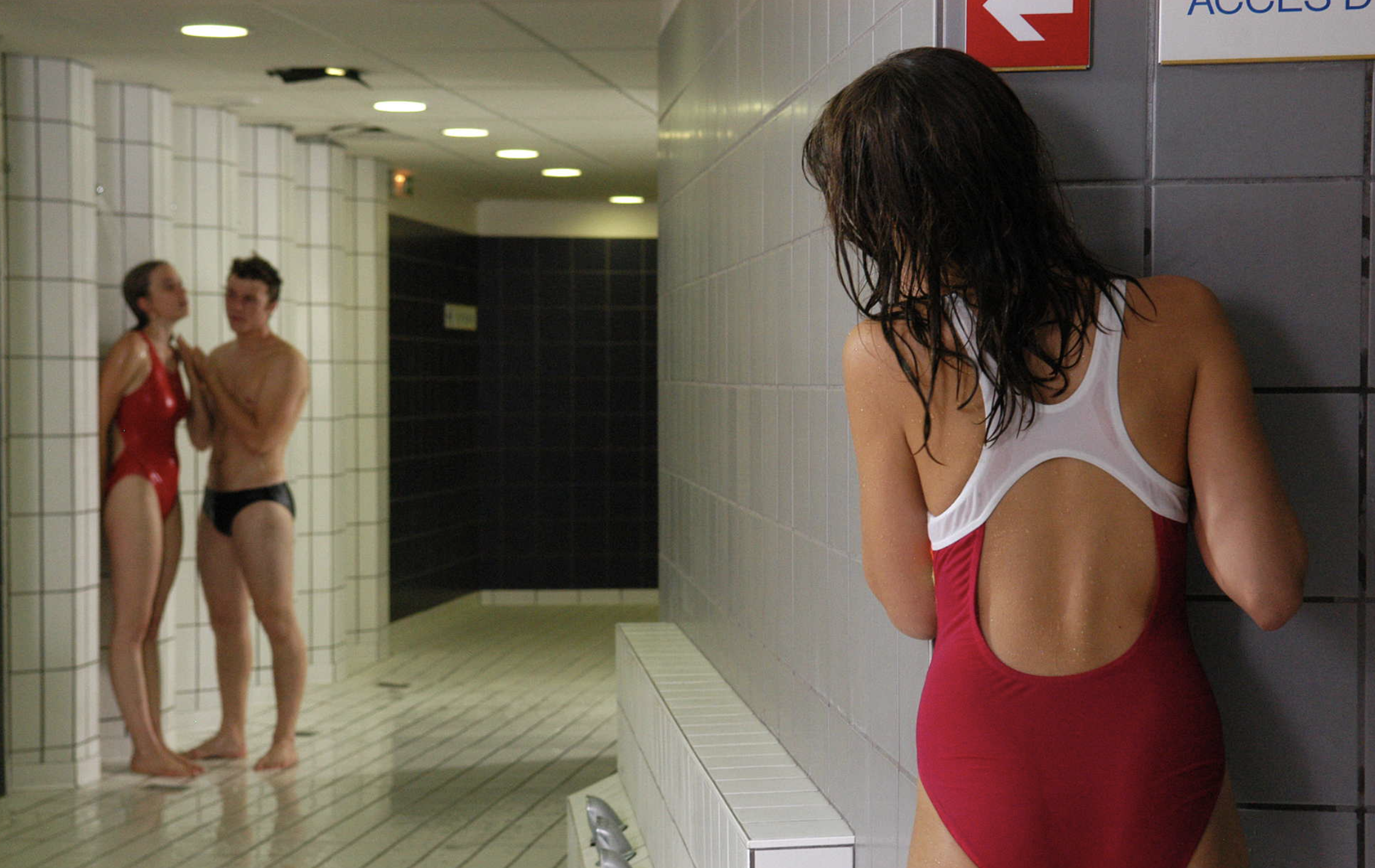
Water Lilies (2007)
Imagine Me and You (2005)

Blue (2002)
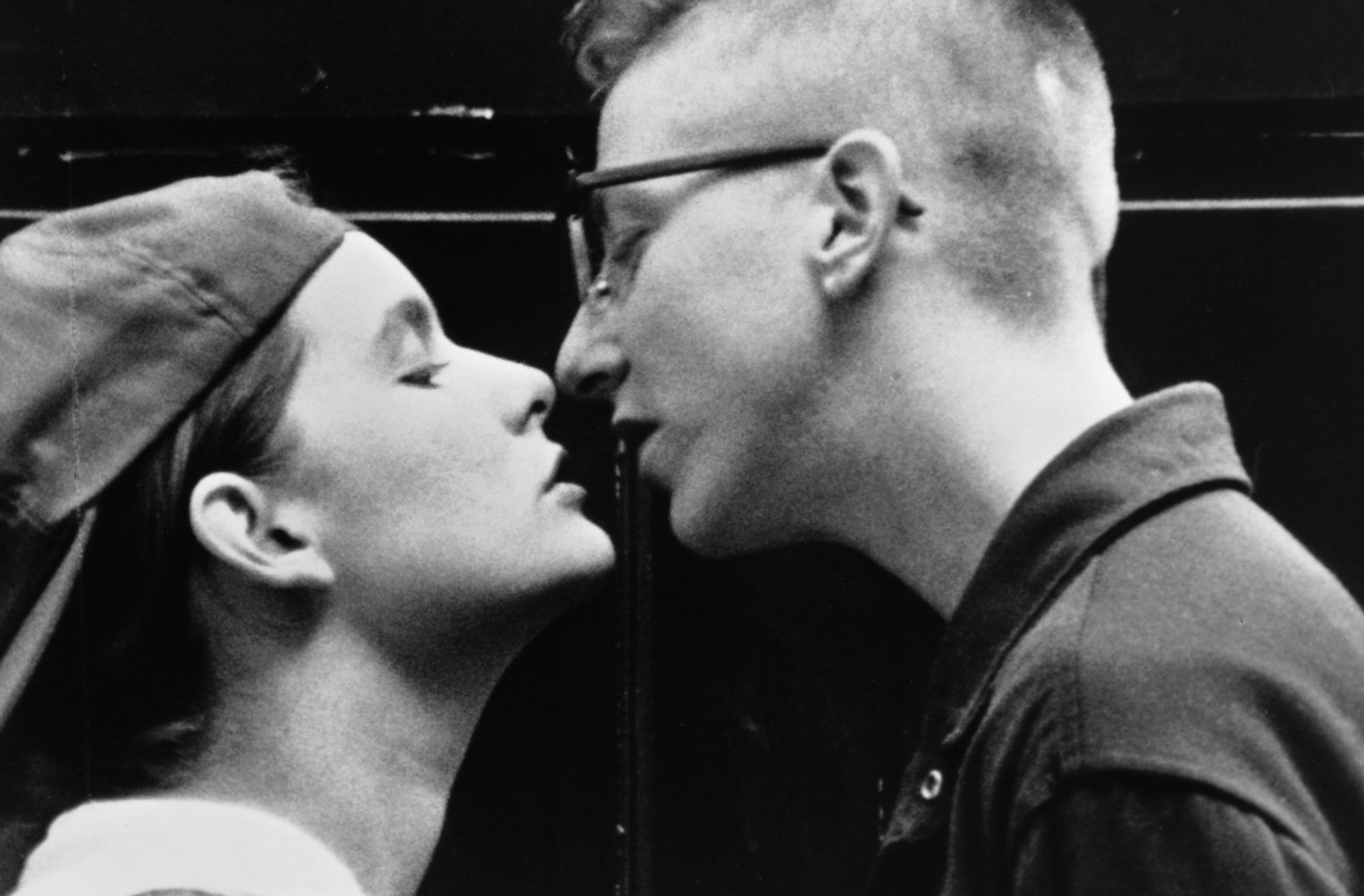
Go Fish (1994)

Recent Gems
Turning to the past decade, these films are well worth seeking out, despite remaining under the radar. Contemporary depictions of sapphic love reflect the social and cultural shifts of recent years, from the legalisation of same-sex marriage to evolving conversations around gender identity. Better still, many of these titles are readily available to stream or rent, making them easier than ever to discover.
The World to Come (2020)
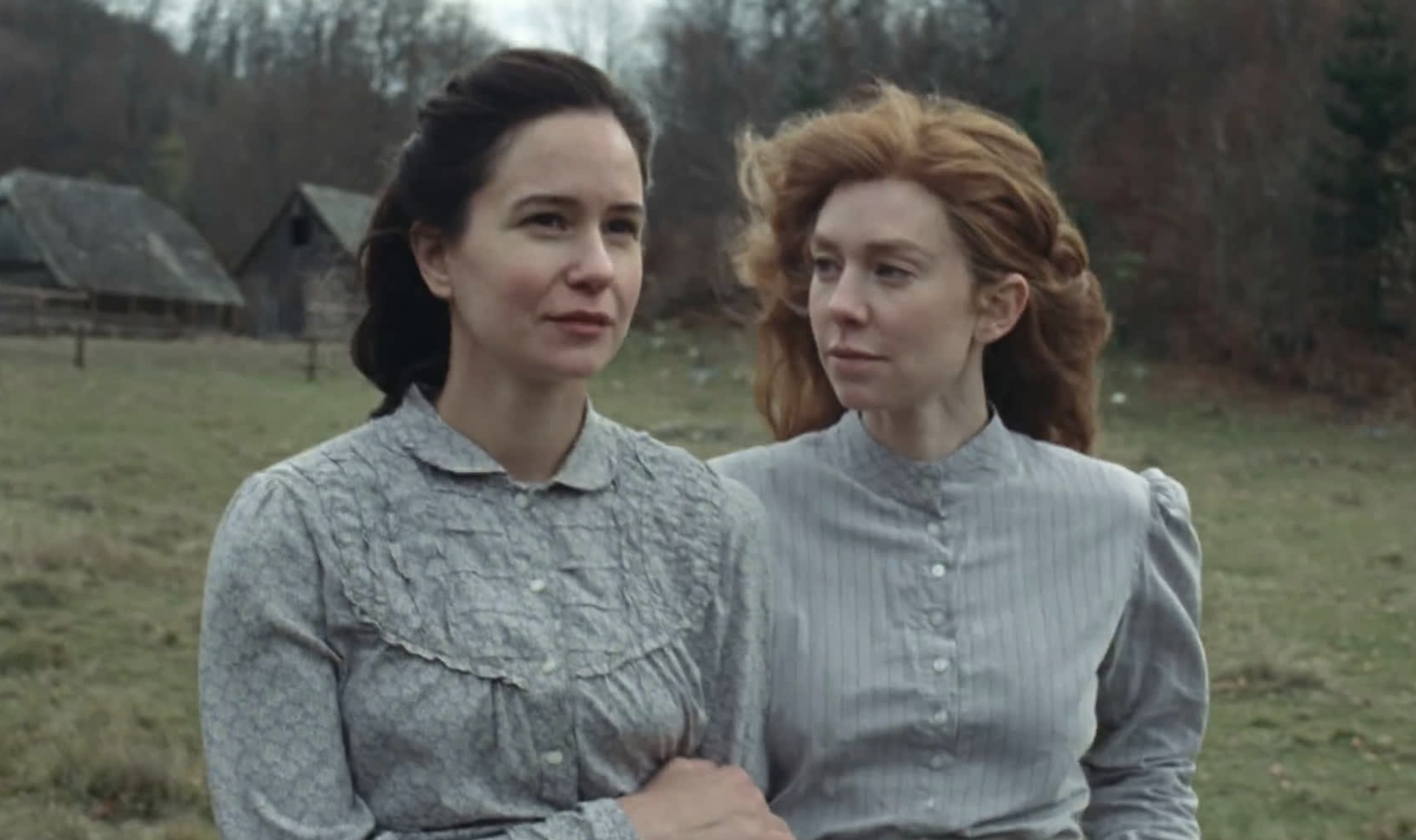
Love Letters (2025)
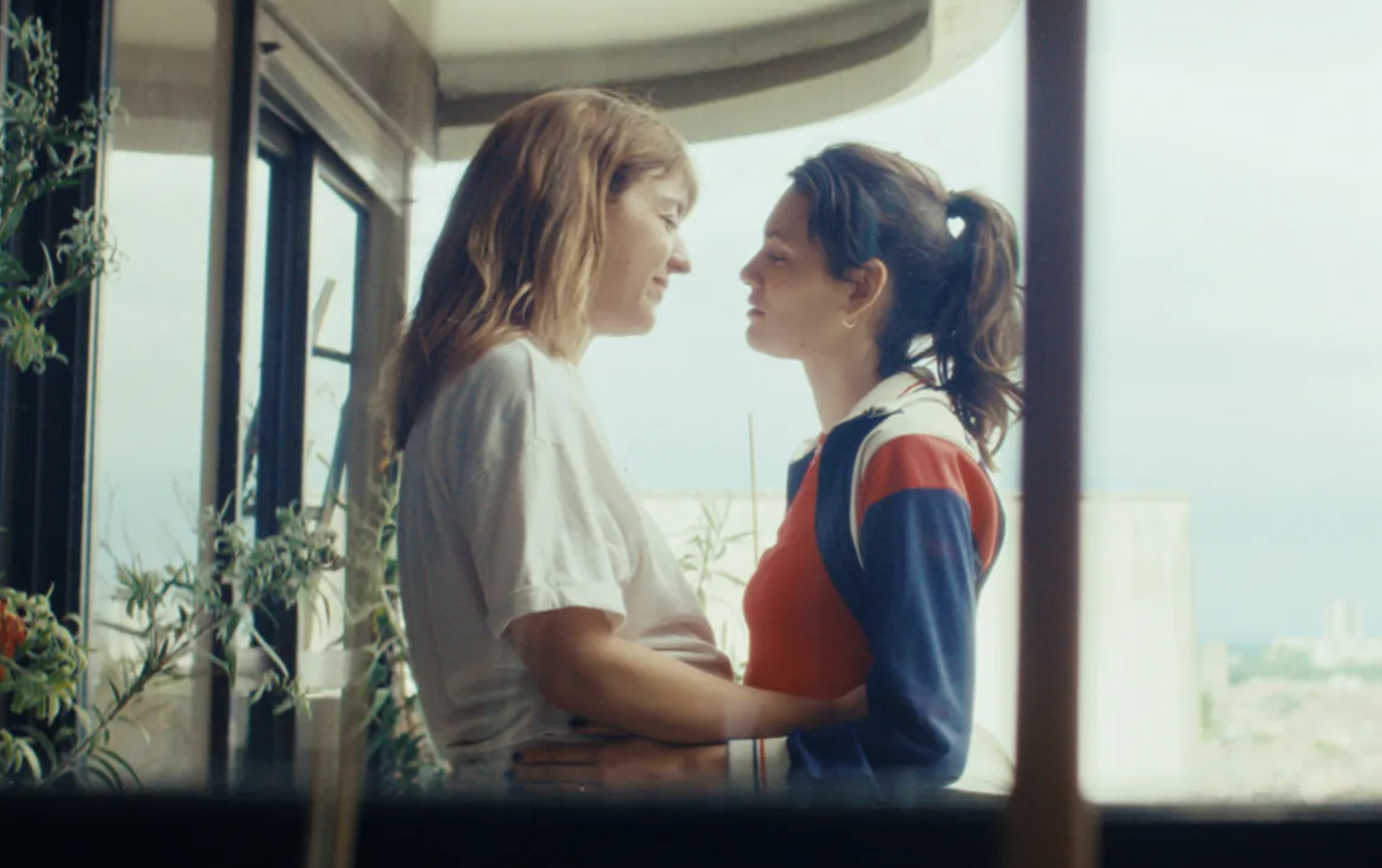
Princess Cyd (2017)

Rafiki (2018)
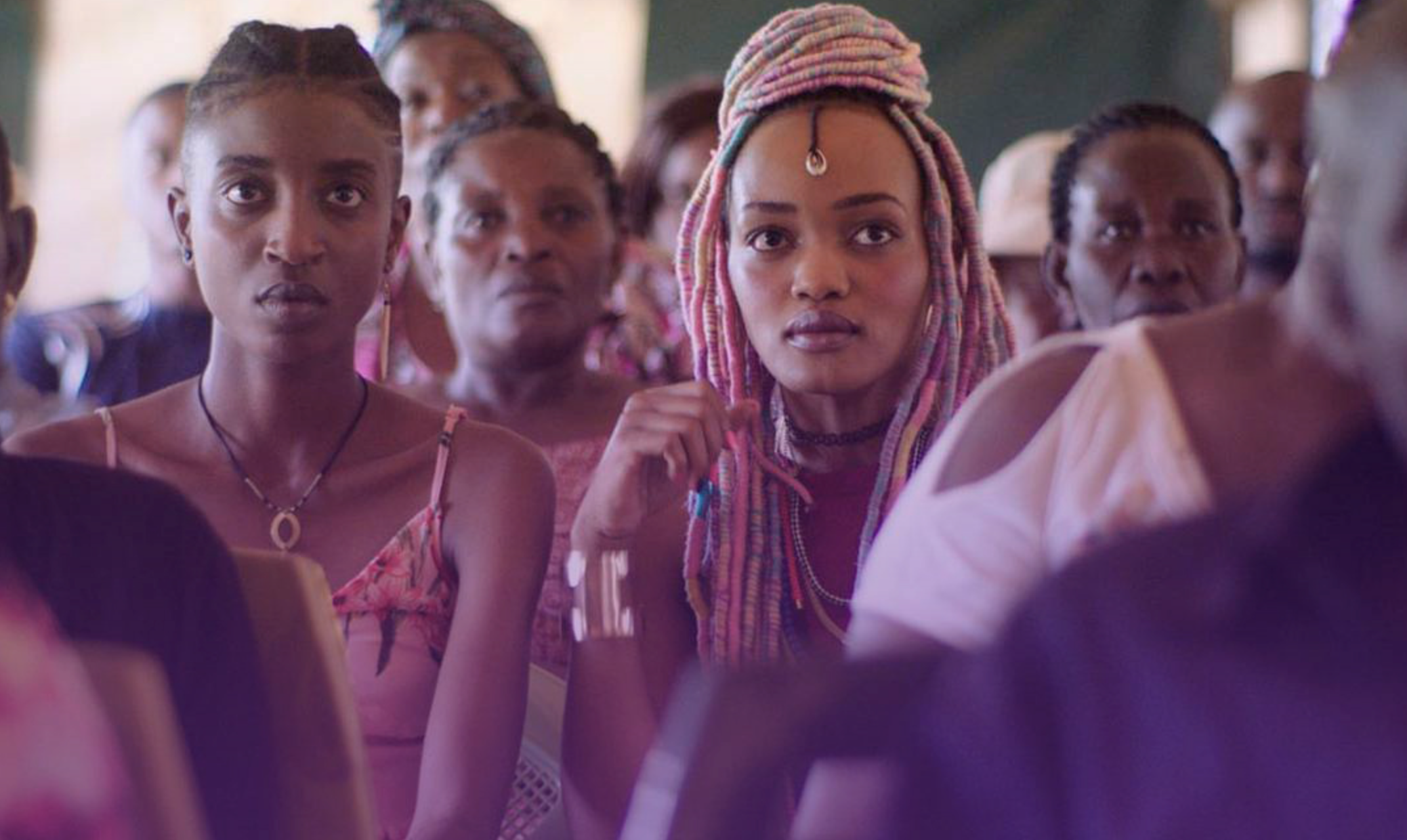
A Wild Patience Has Taken Me Here (2021)
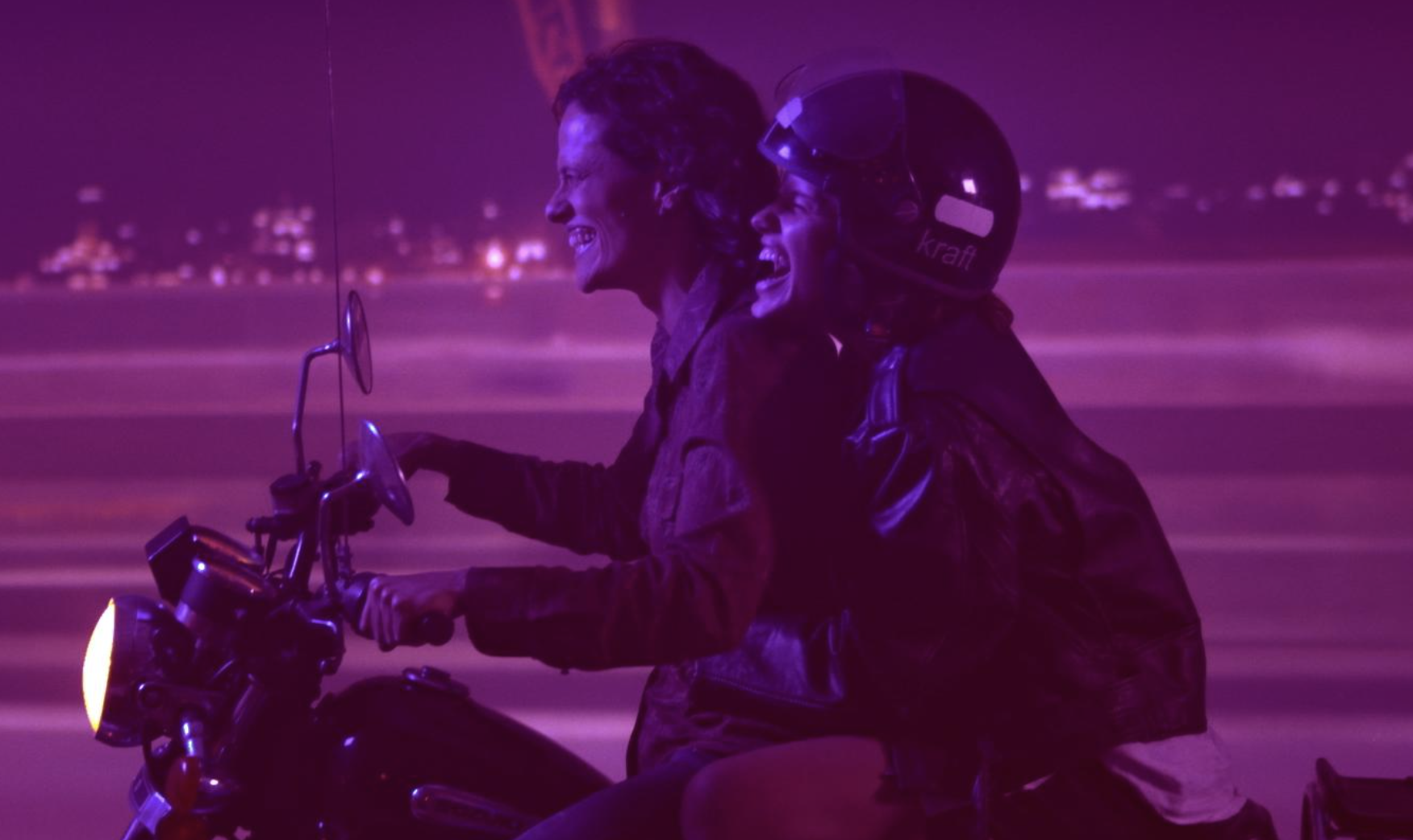
Hedda (2025)
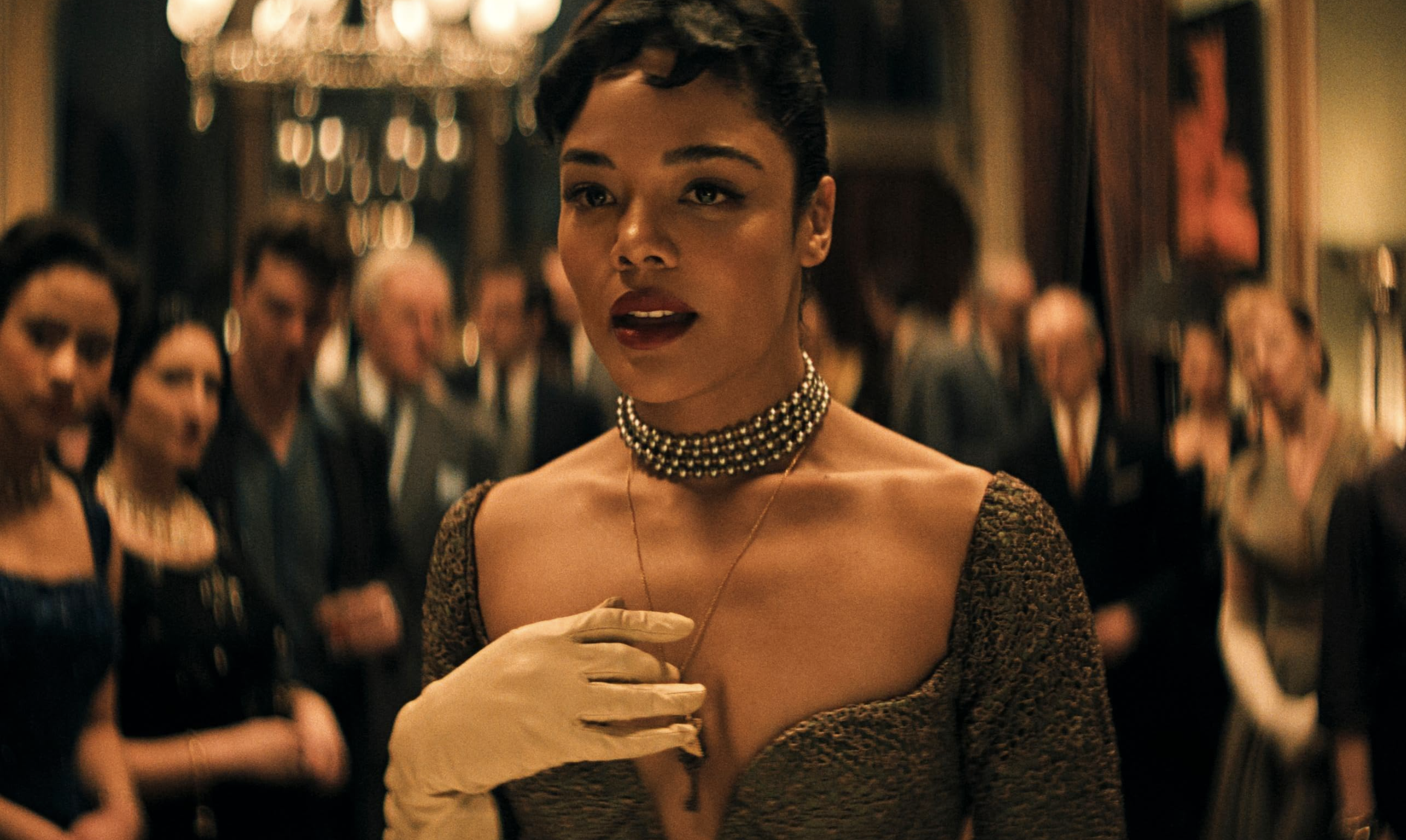
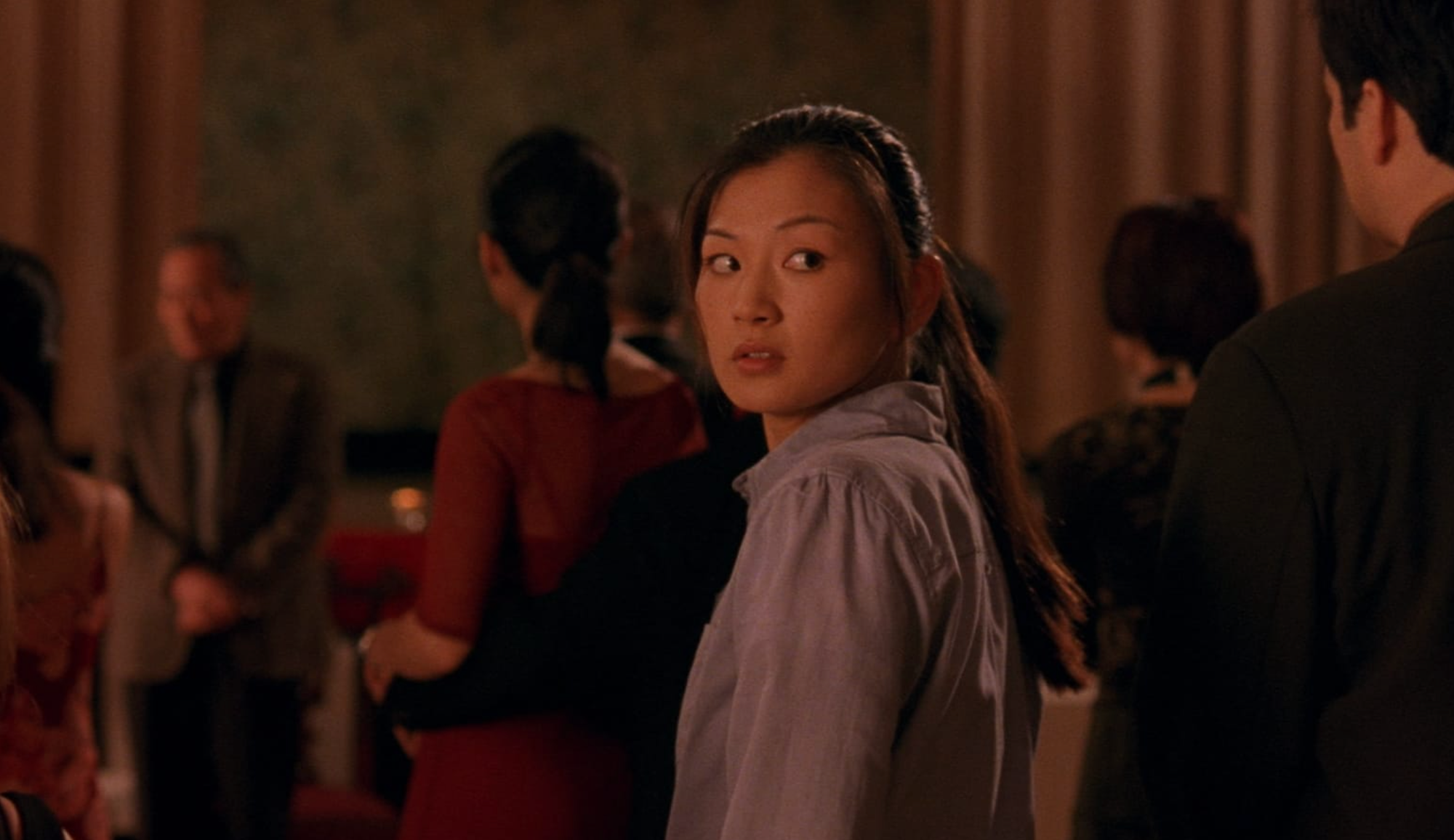
Mostly overlooked by broader audiences, Hedda was a standout sapphic release of 2025. Weaving tension and desire, the story opens with a glamorous gathering hosted by the woman of the house, Hedda. When the appearance of Hedda’s former lover changes the dynamic of the night, she is thrown into turmoil. The film takes place over a single evening, finding a pace that matches the ever-changing emotional state of the magnetic host. This film is another stellar addition to Tessa Thompson’s queer roles.
Honourable Mentions
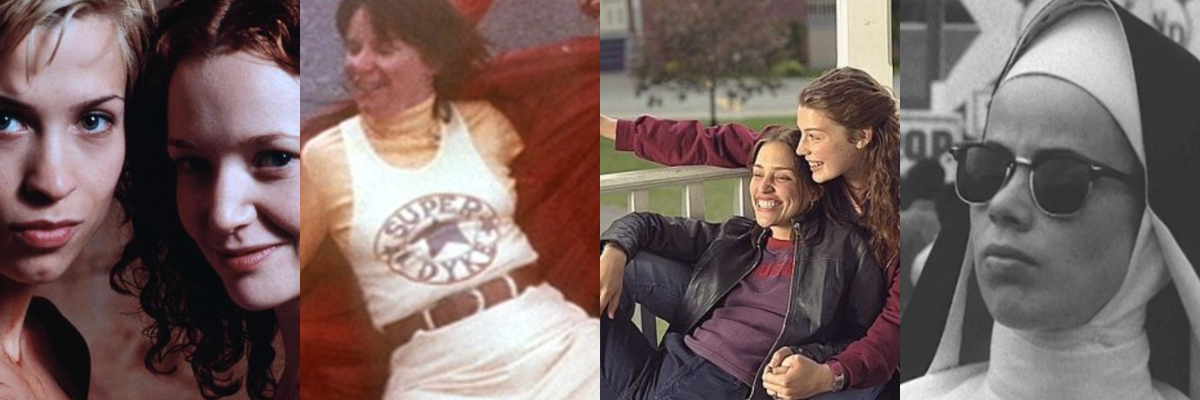
Honourable mentions include Superdyke (1975), a short film directed by Barbara Hammer; Damned If You Don’t (1987), directed by Su Friedrich; Summertime (2015), directed by Catherine Corsini; Better Than Chocolate (1999), directed by Anne Wheeler; Lost and Delirious (2001), directed by Léa Pool; If These Walls Could Talk 2 (2000), directed by Martha Coolidge, Jane Anderson and Anne Heche; My Summer of Love (2004), directed by Paweł Pawlikowski*; The Secrets (2007), directed by Avi Nesher*; Lianna (1983), directed by John Sayles*; and Memento Mori (1999), directed by Min Kyu-dong and Kim Tae-yong.
A note from the writer: while creating this list, older films (at least 20 years having passed since their release) were prioritised, with other, more recent picks making up their own separate selection. Rather than review each film, I instead opted to write briefly on a few of the films that I enjoy in addition to the recommended list. My hope is that a renewed interest in these films among readers will help them find a new audience.


