
Correspondent Yuliia Riabova dives into the depth of modern Ukrainian cinema with festival founders Kateryna Aleshnikova and Nastya Kharytonova, and Shorts Programme coordinator, Mishel Mudryk.
This July, IFI is hosting Untold Ukraine – a festival of modern Ukrainian cinema. Five days, five feature films, plus a selection of shorts. The logline of this year’s edition is “Voices of Resistance” – however, it’s not what you might expect. Here, you won’t see films like 20 Days in Mariupol, because this time, it’s not about the war; it’s about the art Ukrainians make despite the war.
These films topped the national box office, were acclaimed by critics, and loved by audiences in Toronto, Venice, and Berlin. Now they’re coming to Ireland.
I guess everyone always wonders about the people behind the curtain. Could you tell us a bit about yourselves and how this festival came about?
Nastya: I'm Ukrainian. I've been living in Ireland for about seven years. My background is in tech, so I moved to Dublin because of Google at some point.
When the full-scale war started in Ukraine, Kate and I couldn't sit still. I remember we were sitting on the floor in my apartment. Our friend sent us photos of kids’ drawings from the bomb shelters, and we wanted to showcase the drawings and this resilience of the kids to Ireland. Back then, Untold Ukraine was born as a way to present contemporary Ukrainian arts and culture. And this [year's edition] is basically the result of our collaboration with IFI.
Kate: We wanted to bring together the most popular and, in our opinion, the most important movies of the last years from Ukrainian cinematography. To show Ukraine from different perspectives, because it's important not to just focus on what's happening in Ukraine [now], but also showcase the culture and get people genuinely interested in it.
So, for us, it was very important to make a programme that's a selection of different types of movies, female and male directors, documentaries, art, fiction, shorts; to show that we have a very rich culture. We're very looking forward to sharing this with the Irish audience.
Nastya: A very important focus is that all these movies, except for Slovo House, were made after 2022. During the war, Ukrainians are still shooting films. They're expressing themselves through art, through cinema.
You're kicking off with Timestamp. For me personally, it's the single most anticipated film because of the director, Kateryna Gornostai [Berlinale award-winning filmmaker - ed.]. Her first feature film, Stop-Zemlia, left such a huge impression. She's so nuanced and empathetic in her work. And this new film is again about children, but this time it's a documentary. What can you share about it? Not to give too much away!
Nastya: This is the only movie [on the programme] that both of us haven't seen. We specifically left it to see in the cinema on the first day of the festival. I personally believe that this is one of the most important movies people should see, because it shows the reality of somebody who is very vulnerable, and how the education still keeps happening, no matter the war, and how kids and teachers are resilient in the face of circumstances.
Kateryna Gornostai has such great empathy for people, and it shows [in her works]. So I believe it will be a very touching and, in a way, relatable movie. Because you see Ukraine only on the news, but through this film, you'll be able to see the real life of kids in Ukraine through the past four years.
Kate: I remember when we showed Stop-Zemlia, it resonated a lot with Irish people, because it was so universal. Timestamp is not universal. I think it shows how different actually Ukrainian children's childhoods are. Because the first one is like - oh, yeah, we all go through first love and all these experiences. But what the kids are living through now - we're not living through that. And the childhood they have… they'll never get it back. It's just going to be like that for the rest of their lives, which is really heartbreaking.
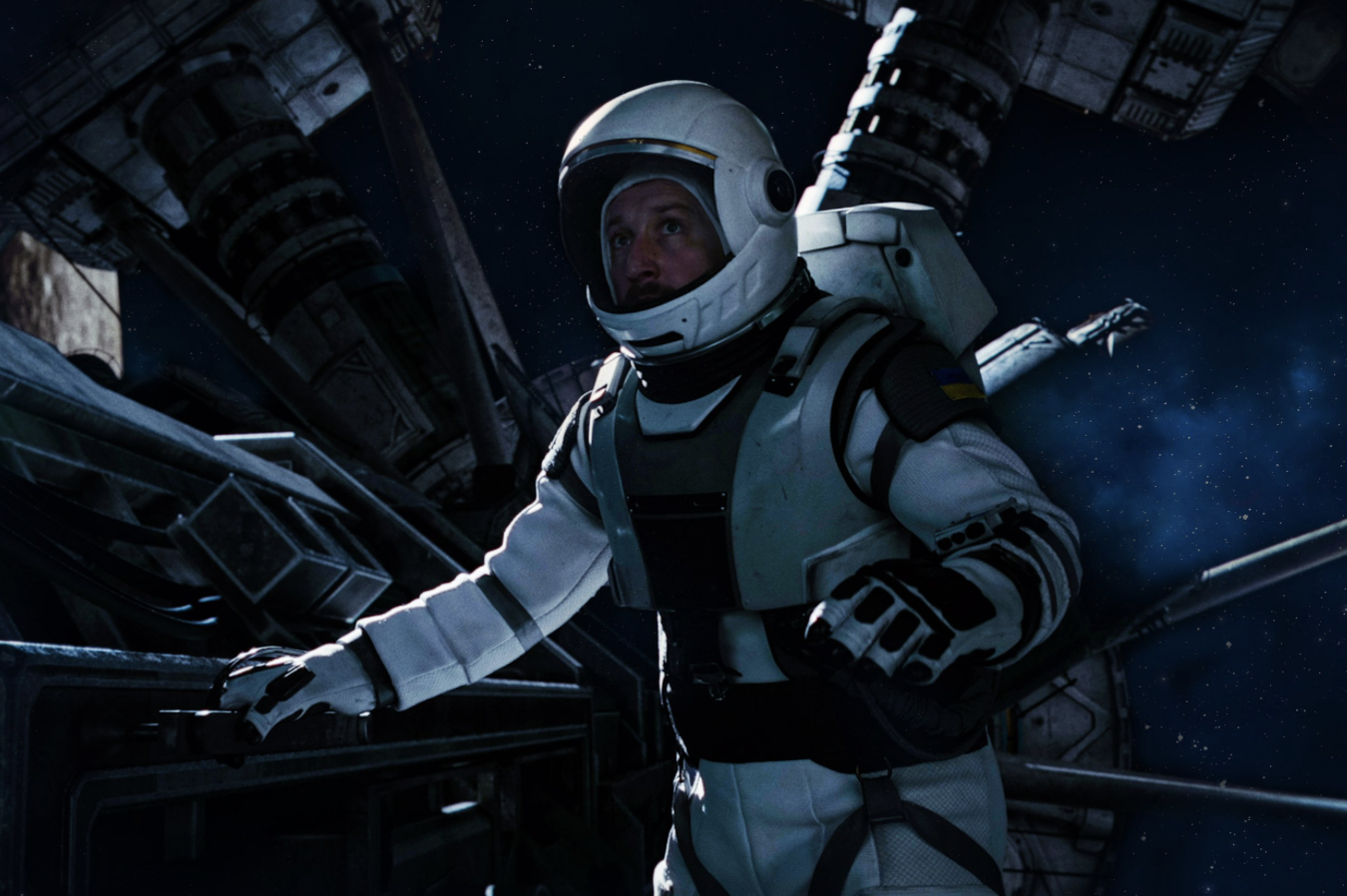
The “hit” of the programme – and it was a hit in Ukraine last year – is U Are the Universe. It's the first Ukrainian space sci-fi, and it's so different to American or European films. What would you say about this Ukrainian perspective?
Nastya: I think it's cool that Ukrainians shoot something like this during the time of war, that is not related to war. And it has a great humour, it has a great music. It has an interesting, unexpected plot which builds up, builds up, builds up – and then you actually see the revelation of everything. For most of the movie, there's just one actor [Volodymyr Kravchuk – ed.]. But how rich his performance is, that it's interesting to watch until the end.
The director Pavlo Ostrikov shared that this film took over 10 years to produce. There was so much buzz around it last year in Ukrainian media, people sharing their emotions, leaving the screenings laughing or crying. Despite being set in space, it still seems to be very humane.
Kate: I was going to say that. A lot of the Hollywood space movies that I've seen, they're more about technology or future, etc. But this one is very touching and very relatable as well. Also, I think the reason why the Earth exploded in the movie is because of nuclear catastrophe. And it's just another thing that we can make connections with what's happening in Ukraine as well. But yeah, a lot of good PR was done for this movie, so it's filling up very quickly.
Nastya: It needs to reach a wider audience. I think it's just a brilliant showcase of a Ukrainian modern film.
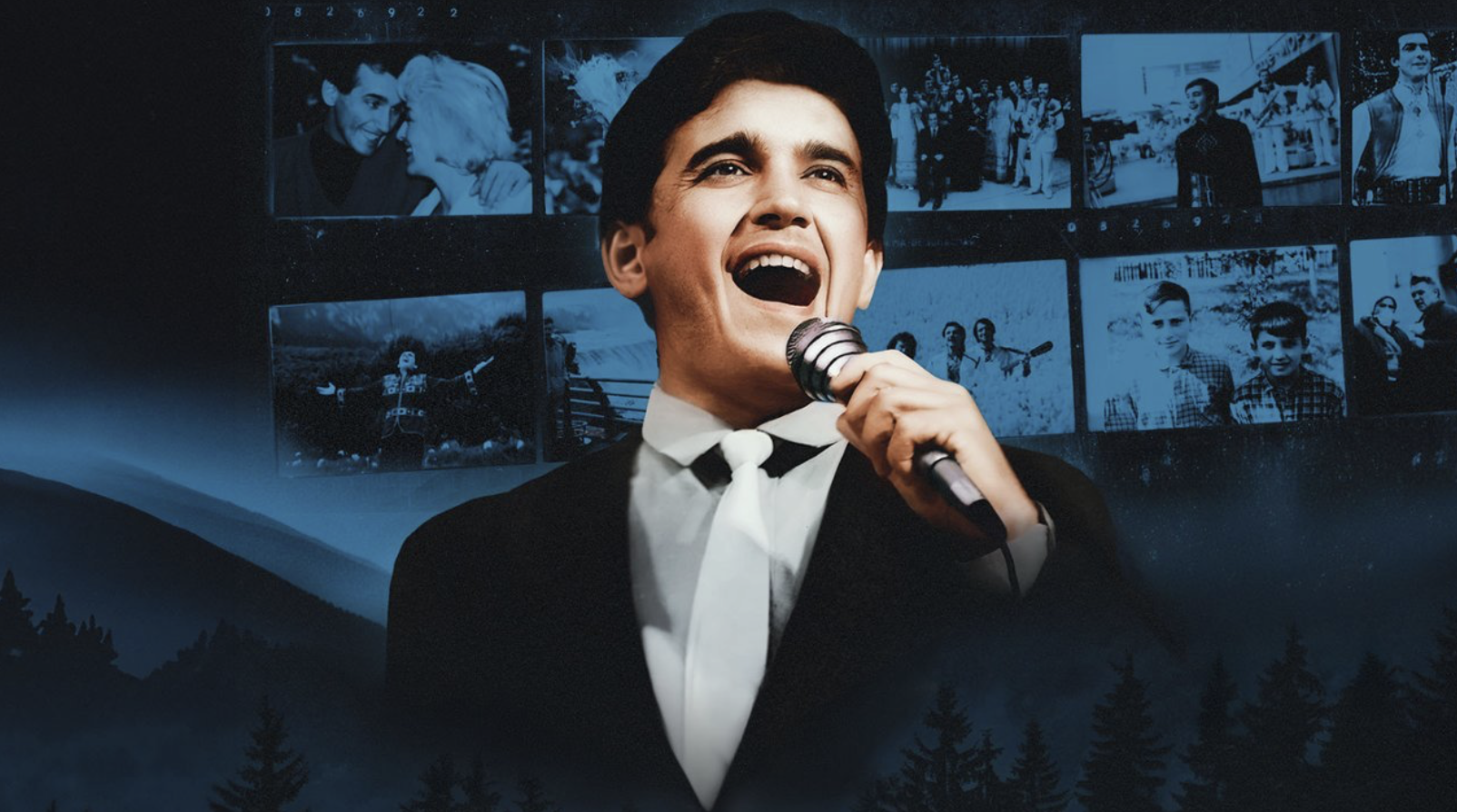
The next film on the programme is again a documentary. Yaremchuk: the Unmatched World of Beauty is a story of one of the brightest Ukrainian singers of 1970-90s, Nazariy Yaremchuk. I just watched it last night and it seems so different to other movies, but somehow fits perfectly into the overall selection of the festival.
Kate: I remember Nastya watched it last year and she was raving about it. Yaremchuk as a personality obviously has such a big influence on Ukrainian music and culture, but I never realized how important he is. I personally just discovered him in my adulthood. And Nastya, you had his song playing at your wedding, right? When you were stepping on the rushnyk [embroidered cloth used in Ukrainian rituals – ed.].
Nastya: Yes.
Kate: His influence on our daily life and our friendship has become so strong that watching this movie made me feel very emotional. I hope not just Ukrainians, but also Irish people will be curious to see it, and discover the circumstances in which the most talented people of Ukraine had to create, you know, back in the Soviet Union era. You had to be not only talented, but also really, really brave and courageous and strong. And [the music] is also just so unique, so distinctive. It's really different from any other folk music in Europe. So we really hope that the audience will enjoy it.
Nastya: I feel like Nazariy Yaremchuk is the person who, within the limited circumstances, had this limitless mindset, which also translates into his music. And through the years his music remains such a great description of Ukrainian identity. Even though it's more like folk, but it's modern and it's timeless in a way. I think from a non-Ukrainian audience, people who are into music would really enjoy this film.
What struck me about this documentary is that if you have no clue about Ukrainian culture and Ukrainian history of that time, through this film, you kind of get a grasp of both. And with this narrative all around, that “culture is out of politics” – you just have to watch this film and you’ll immediately understand it's not.
Nastya: It shows how long Ukrainians were repressed. And again, Slovo House, which is also on the programme, is another proof. It's not only [about what’s happening] now. It's been in our history for a very long time.
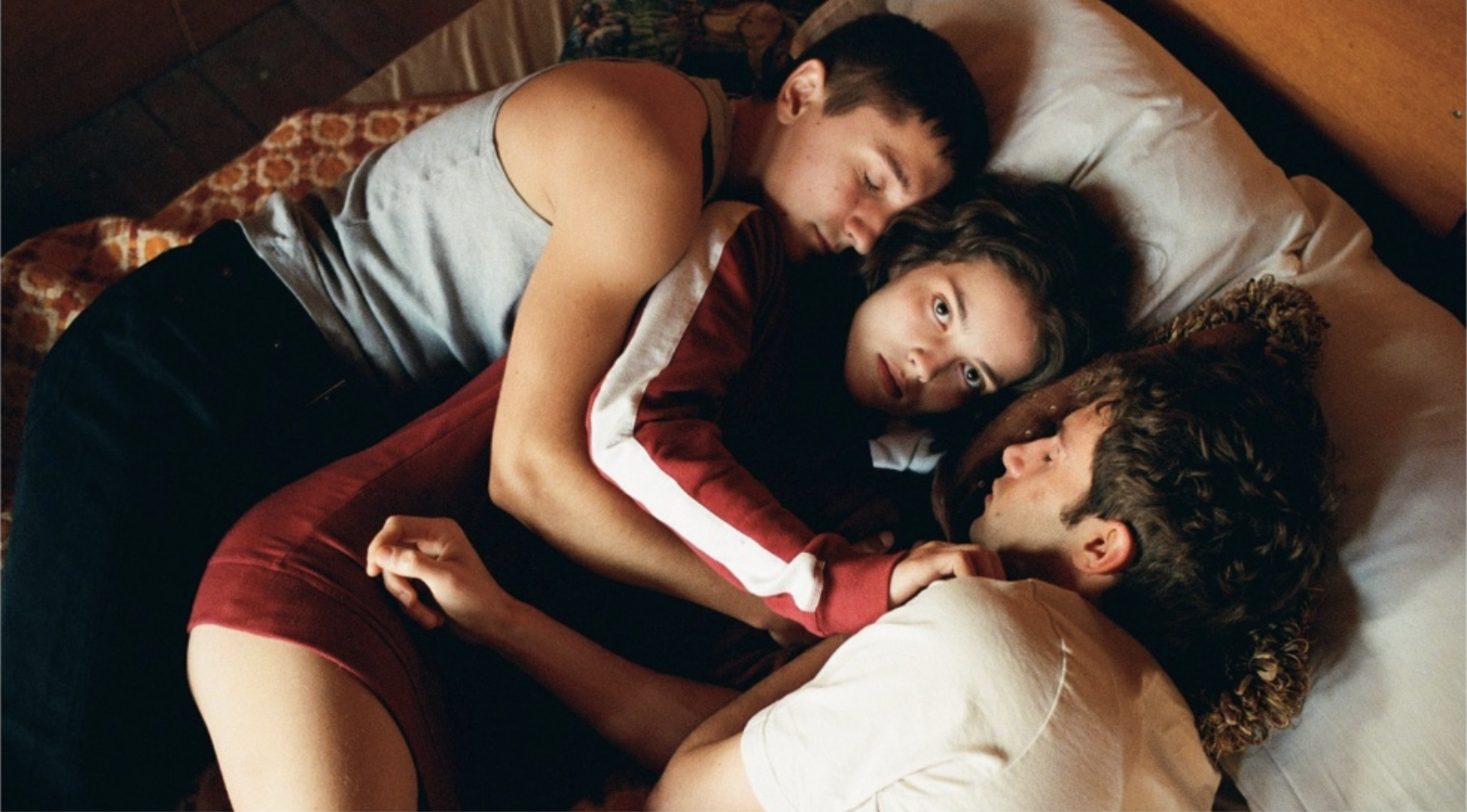
The next movie on the programme is Forever-Forever [director – Anna Buryachkova – ed.]. I'm happy that we finally get some representation of Ukrainian teenagers in film, because I grew up watching all these American movies, and you can't really relate to them. But what do you think Irish people would take from this film?
Nastya: I’d say they would find some similarities, but it really depends on the generation. For me, Stop-Zemlia felt like my coming-of-age time, it felt so relatable. And then Forever-Forever felt like it's like a generation older than me. But for an Irish [person], I would say [it could be] relatable to their teenage years. And they would see this rebellious nature of teenagers that is also present in Ireland, maybe even more than in Ukraine. Because in Ukraine we are not so crazy as teenagers, I would say, as in Ireland.
I thought it was crazy so many times throughout the film. But I do understand how rough the times were: the Soviet Union fell apart, we just got our Independence, and people were trying to get things together. That decadent aesthetic of the 90s is beautifully shown in the movie, by the way [DoP – Olena Chekhovska – ed.].
Nastya: Basically every movie [on the programme] is about a different time frame of our life. And if you watch the full programme, you get a bit wider perspective about Ukraine. So it's just one piece of that puzzle.
Kate: It's like the 60s, 70s, 90s, and then modern Ukraine and then future. Future Ukraine in the Universe.
For the festival closing, you’re moving from IFI to LexIcon Library, Dún Laoghaire, and you have two screenings in one day: the Shorts Selection and Slovo House. In the Shorts programme, probably the most anticipated is Rock Paper Scissors (director Franz Böhm, starring Oleksandr Rudynskyi) – last year it won Ukraine’s first ever BAFTA.
Mishel: It's an amazing short film, made as a British-Ukrainian co-production. While you're watching this film, you're invested in the story and you care about the characters, but then you get this caption at the end saying that it's based on a real story, and it brings you back to real life. You realize, "Oh, it's actually happening."
Next, there’s my short film, The LightKeeper. It's based on the book that my friend [Varvara Fadieieva – ed.] wrote, The Caretaker and Her Lighthouse. It was a wonderful experience. I produced it, co-wrote it, and directed the film. I was basically putting all the pieces together. I had an absolutely amazing cast and crew. I managed to find the lighthouse in Donegal, and I'll share a secret: we filmed the inside in a church. But it actually looks like a lighthouse.
The film holds this metaphor of keeping the light in the darkest times. Like Dumbledore said. I believe that, just as lighthouse keeps the light for ships in the dark sea, people in Europe, America, and around the world keep the light for Ukraine. That's basically the whole point of the film. There are small hidden Easter eggs as well. They're hidden so well that I sometimes forget they're there.
The next film is Time Loop by Ukrainian filmmaker from Limerick Anastasiia Lapko. She went through an identity crisis after coming to Ireland, and [in the film] she's talking to her past self. I think most people don't realize that fleeing the war can affect you in such a way that you're still struggling even when you're safe.
There are two films made by Irish productions about Ukraine – Berdyans'k and Songbird. I especially related to this little girl in Songbird, who is at a playground and sees all the kids playing and having fun, but all she can hear is explosions, sirens, and air raid alarms. When I first arrived in Ireland, that's exactly what I experienced. Back then, I felt like I wasn't even allowed to have any problems; the only problem we had was this huge country trying to kill us. Everything else wasn't a problem. I felt it was wrong to go to the cinema or have fun, because how can I have fun when there's a war in my country? So that film definitely represents how I felt.
Last but not least is Too Late. It's a documentary shot at KinoD – a filmmaking event where you make films in 48 hours. Yuliia [Julie Pourlavie – ed.] directed and produced this film. Basically, the question is, "Is it too late to fight your fears?" So it's interesting to see how Ukrainians would answer it compared to people who are not involved in the war.
I believe we have an absolutely amazing programme. It's films made by Irish and Ukrainian filmmakers, all about Ukraine, with different genres and a real variety of stories.
We're also going to have a Q&A with some of the filmmakers. So don't miss it, come and watch the shorts, and meet other people who are interested in film.
You’re wrapping up with Slovo House. Unfinished Novel – a movie about an entire generation of Ukrainian writers and poets that were executed by the Soviets.
Kate: I can start with some context. Back in the 1920s, Kharkiv was the capital of Ukraine. A lot of prominent writers, playwrights, literary critics, translators formed kind of a union [there]. It was a brief period in Ukrainian history when they could create more or less freely. But the movie shows the period following that, and what they had to go through under the repressions of the Soviet regime.
So the authorities provided them with this House, where they could live and write, but in the end (spoiler alert) it all turned out to be a massive trap.
Nastya: In comparison: while Yaremchuk leaves this really hopeful feeling, that Ukrainians persevere no matter the circumstance, Slovo House felt like a very rough movie. Very beautifully shot, but much more realistic in its portrayal of the role of the Communist Party. It's beautifully plotted, and the actors are really well cast. It gets you kind of absorbed into the 30s and the reality of the Executed Renaissance.
I was also thinking how something that was created to facilitate art and community, like what people do now through residencies, which was the initial idea of the place, made it so easy for the Soviet regime to target them. [At least 33 residents of Slovo House were executed – ed.] It’s just absolutely cruel and so dark. And it’s still happening to this day. So many artists and prominent people get killed by Russia just 100 years later. Things changed, but haven’t changed as well.
Kharkiv as well has been damaged so much [since 2022]. Slovo House still exists, but Kharkiv is under constant attacks, which is very heartbreaking.
It's definitely a really tough story to watch, but we hope that people will be curious enough to come.
I suppose, looking at the selection as a whole, these films are very representative of Ukraine, but at the same time they’re also just very good films. They’re very well made, they all have a director’s perspective and a sense of beauty in them. Even if you’re not particularly interested in Ukraine, they’re still an enjoyable watch.
Nastya: A lot of people ask, “Oh, what should I watch?” It's really hard to answer. This programme offers such a wide perspective of Ukrainian personality – of how different, how creative, how resilient, and how brave we can be. And also how strong and interesting our artists and directors are. Tcomma beforehey are worth the international scene. And they're worth being watched abroad too.
Part of the profits will go to Behind Blue Eyes, a Ukrainian non-profit project of our friends who are taking care of kids from de-occupied territories. They are helping kids develop their creative skills, teaching them film, photography, all sorts of creative disciplines. So every ticket bought will translate into the support of those kids and the new generation of Ukrainian creators.
Do you have anything else planned after the festival?
Kate: We really want to do a lot of things related to Ukrainian art and culture, and promote it in Europe. I think one thing we're struggling with is funding. Because we need to involve a lot of people and to pay them fairly, and then we want to use all the money made from ticket sales for charity.
I think we will, as a next step, try to see ways to fund these initiatives in Ireland, and then we can actually go even bigger with a proper film festival where we invite people from Ukraine, bring them to Ireland, and create a full festival experience. Something like that for next year would be really great.
Nastia: Maybe the main thing [to add]... We obviously understand that this festival is very interesting for Ukrainians and we are very, very happy to have all the Ukrainians, but we would really love all the international audience - not only Irish, Dublin is such an international city - to come and join and watch some really, really good Ukrainian films. This is our mission, so we can share our culture a bit further than Ukraine.
The festival takes place from 2nd - 5th July at the Irish Film Institute, and on 6th July at LexIcon Library, Dún Laoghaire.
This summer, Untold Ukraine returns for its second edition with four films exploring one of Ukraine’s most powerful forms of resistance: the preservation of culture and identity through storytelling.
At a time when war seeks not only to destroy lives but also to erase memory, language, and heritage, these contemporary stories, all released since 2022, reveal how creativity becomes an act of resilience. From teenagers coming of age in Kyiv and reflections on school life in Ukraine amid wartime realities, to a documentary about a beloved cultural icon whose songs continue to inspire generations, and the story of an unlikely dreamer searching for connection at the edge of the universe, these films offer a glimpse into the contemporary realities of Ukrainians beyond the headlines.
Together, they celebrate the strength of individuals and communities who continue to create, imagine, and carry their culture forward despite more than four years of full-scale war. More than stories of survival, these are stories of cultural resistance.
Connect to Untold Ukraine via Instagram (@Untold.Ukraine)
Check out the full programme at IFI.ie.


