

At this year's Dublin International Film Festival, Mutale Kampuni catches the latest Screen Ireland/Fís Éireann Focus Shorts.
Breeders
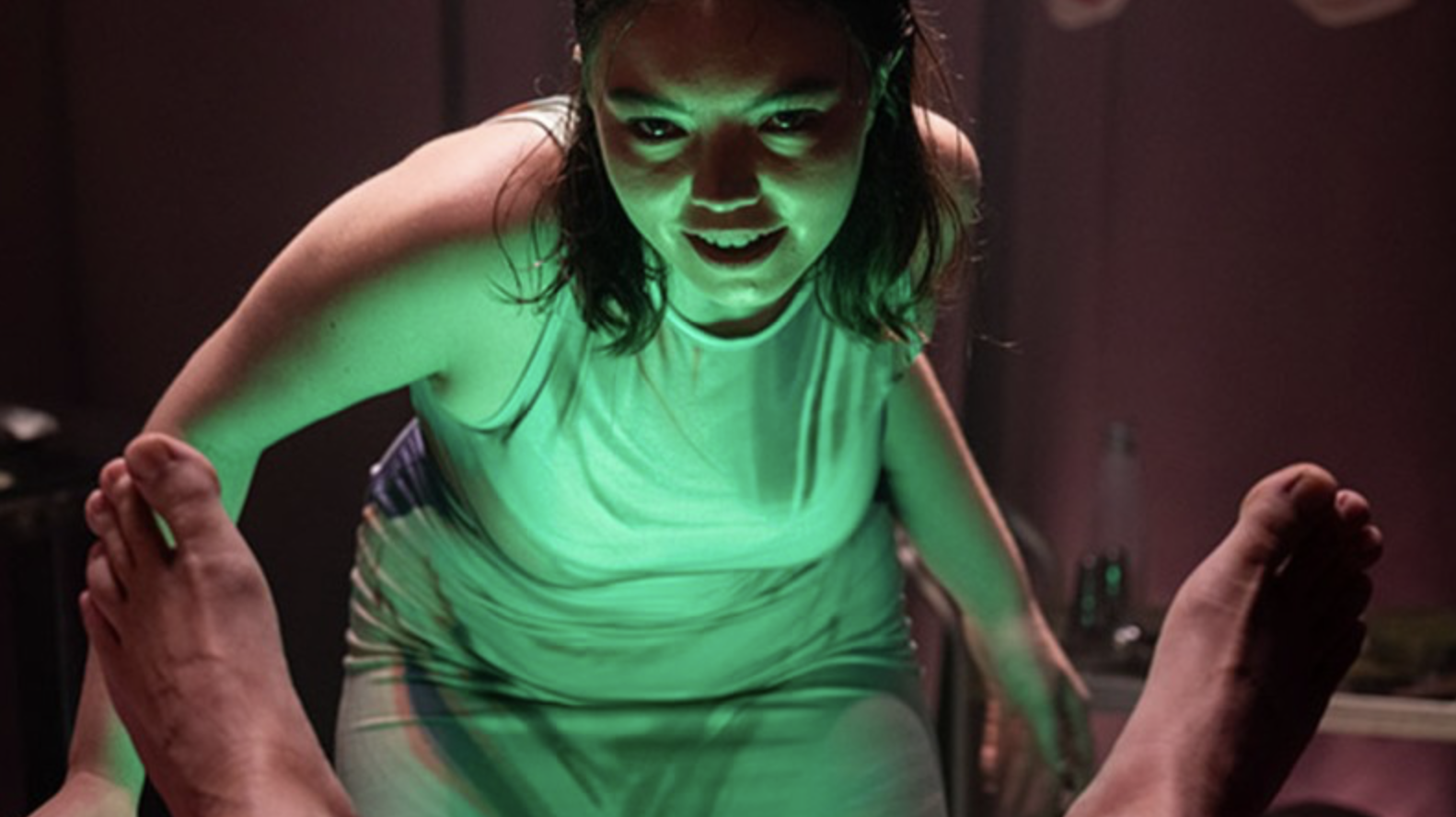
This does not purport to be a sci-fi horror film outright. Rather, bit by bit, an insidious manipulation and assault are meted out on the body of a character before there is any realisation of invasion. Richard (Keith Singleton) gets the ultimate comeuppance as his less than honourable intentions at a disco the previous night rebound and he wakes up to more than just a hangover. In a disoriented state of bother and bewilderment, he is unable to remember exactly what transpired and, to his utter shock and dismay, is experiencing unexplainable moody feelings and physical changes. What Richard planned as a one-night casual encounter with a totally inebriated young Audrey (Lauryn Canny) is now a nightmare come true. A case of the hunter becoming the hunted.
Audrey is literally from another world and has her own designs on Richard, bringing about and inflicting the most terrifying consequences for him. In discussion of her work, director Suri Grennell speaks of the terror aspects of creating body horror with ‘...all kinds of gross goo and blood and everything.’ Grennell also describes Breeders as ‘...a gross little horror short that is ambitious in its grossness’ and states: ‘I think if you like body horror and if you like feminism, maybe you don't have to like feminism, but I'm a feminist.’ Together with Breeders co-writer Brian Steele, they focus on how transformations (physical and emotional) can lead to feelings of insecurity and fear, reflecting wider anxieties in society.
The ever-pertinent messages of targeting and non-consent culture prevalent in society are given a different slant, with horror and comedy tailored in. Fears of losing control and identity play on the mind, as do thoughts of daily life struggles (emotional and psychological), holding the audience's attention throughout to make of it what they will. Less than a quarter of an hour long, it resounds in the mind long after the film has ended.
The Afters
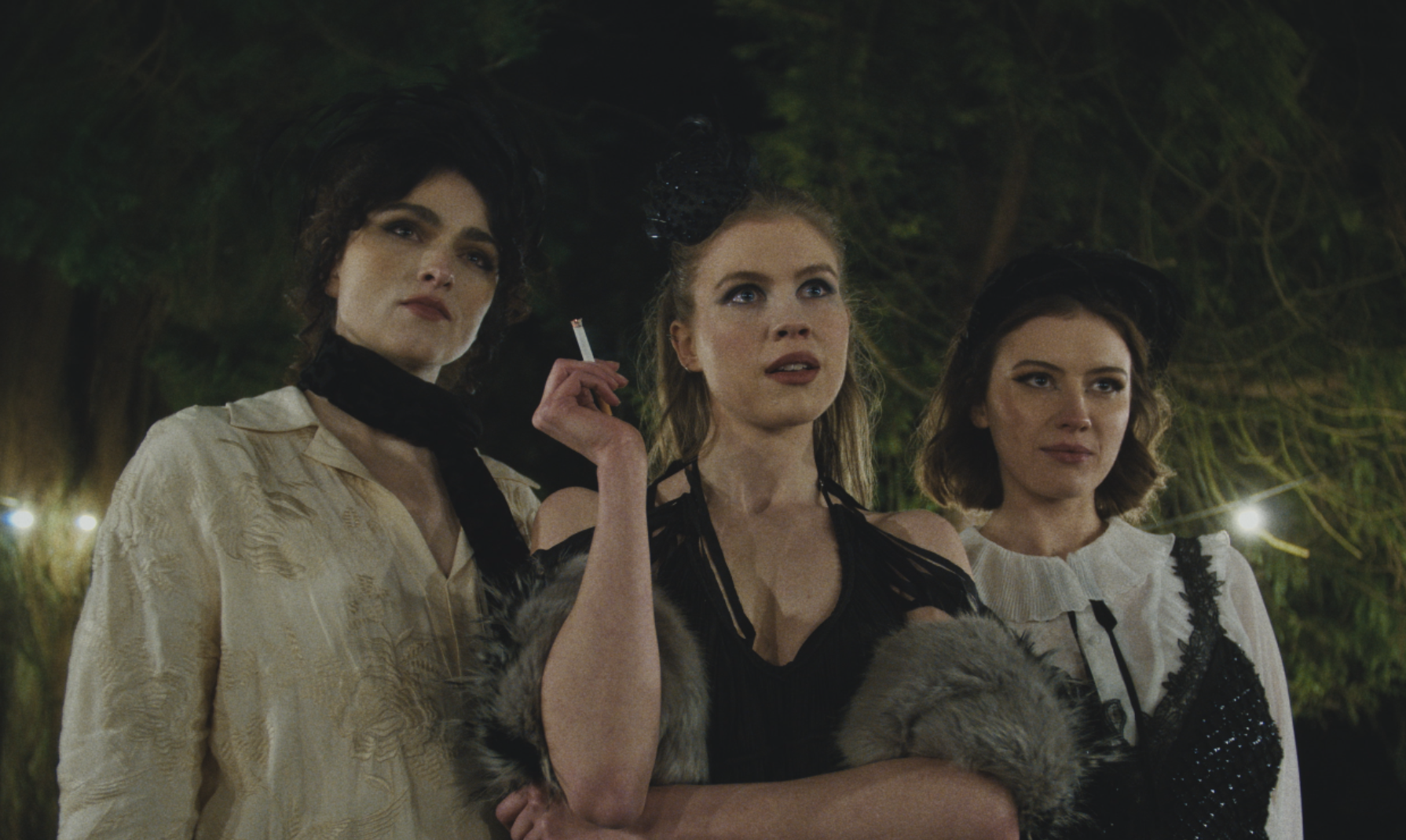
Kevin (Terry O'Neill) finds himself navigating the aftermath of a high society wedding, somewhat unsure of how he has found himself there, and whether he should be there at all. The celebrations are over. There are pockets of disparate guests in various parts of the vast venue that Kevin dips in and out of. He encounters a group of women who, one after another, interrogate him on his marital status and, in another instance, appears ill at ease when proof of his invitation is demanded before he can be served a drink.
Fun and frolics happen in the most unexpected places, as Kevin discovers when he needs to use the toilet, joining in the mischief too. As time passes on Kevin's evening out, there are no redeeming features to it and the viewer is left to ponder the dynamics in different strata of society. Directed by Jamie O'Rourke, the film offers a lesson in perspective, reality and ‘how the other half live.’
His House, Home
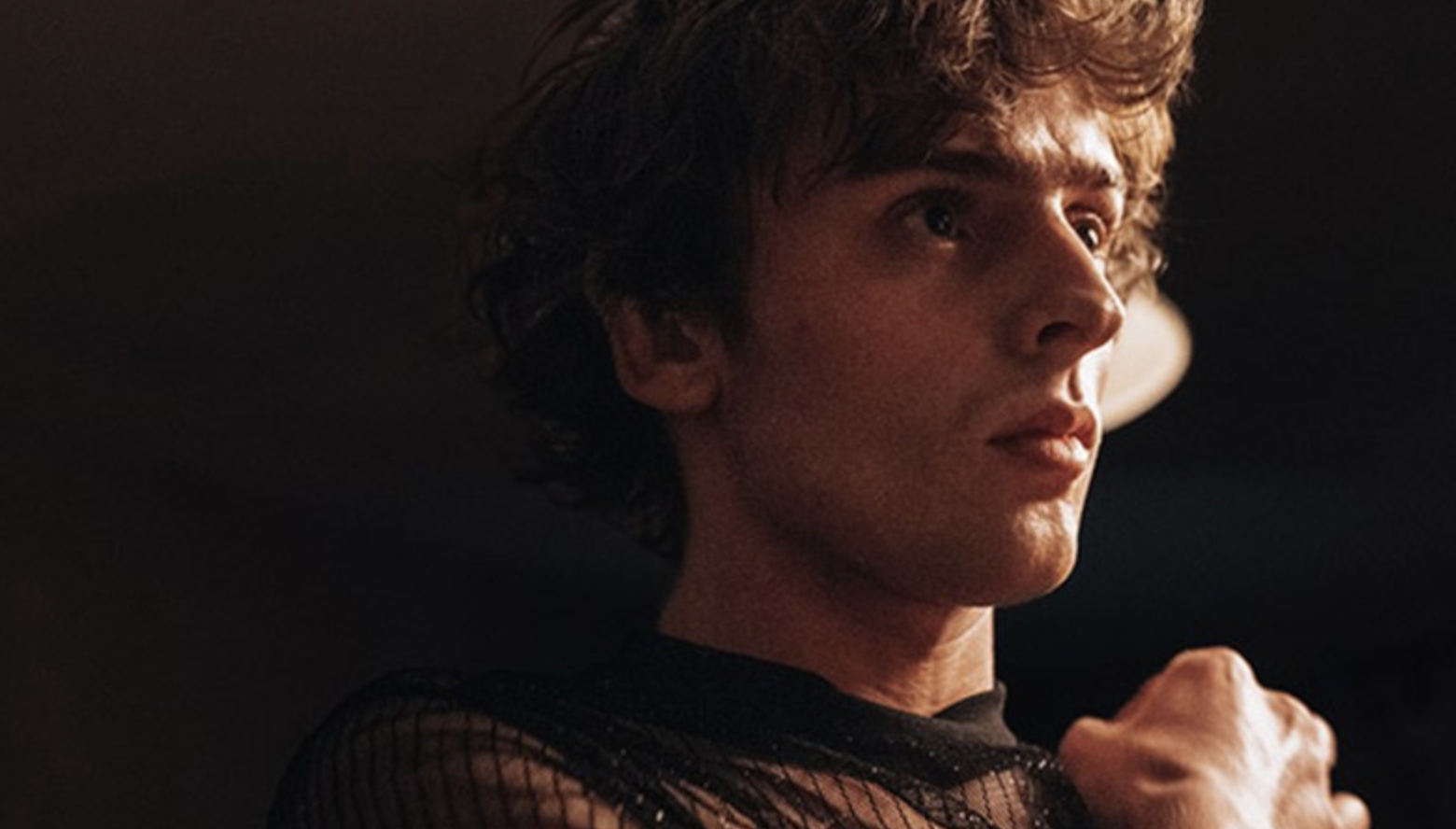
Luke (Oskar Smith) appears to relegate the subject of his sexuality to the innermost recesses of his mind and not dare to breathe any of it out. Quite out of the question that he would express such a matter to his father, especially as there are more pertinent matters to take care of. Luke spends his days caring for his father Malcolm (David Layde), confined to bed with debilitating MS. They enlist the services of a carer to step in and lend some support to the struggling Luke. The carer, Hermes (Rodrigo Ternevoy), is evidently a gay man who immediately incurs judgement and hostility from Malcolm. Observing this, Luke is compelled to grapple with the fear of telling Malcolm that he too is gay and does so with great difficulty. Few words are spoken, with various depths of feeling conveyed through Luke's turmoil of emotions that render him voiceless in the presence of Malcolm.
Director Aisling O'Regan Sargent explains that the film is a departure from the old ‘coming out’ trope as it is centred on care work, with the attendant duplicities and impact on young caregivers.
Forget Me Not
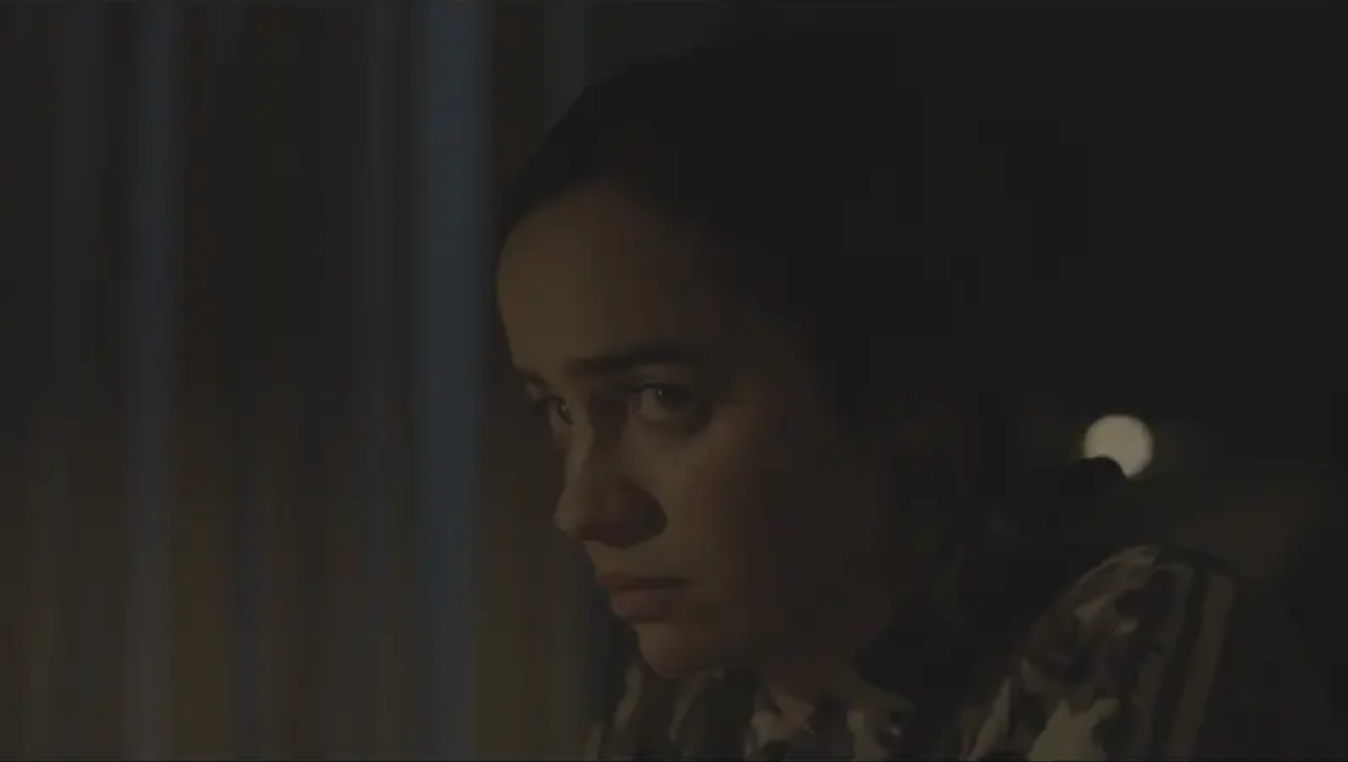
The film tells the story of a couple, James (Dwayne Donoghue) and partner Carla (Sofia Maddalena Tomasin), who are struggling to cope with a recent bereavement and the weight of the grief they are going through. Bereft and at a low ebb, Carla meets young Liam (Joshua Donoghue) and his horse WildJill. They strike up an unlikely friendship that quickly develops into a special bond that is non-judgemental and requires no preconditions as to age, gender or anything else for that matter. As they spend time together, Carla is able to take her mind off her loss and begins to heal, while Liam is provided with an escape from his loneliness.
Viewers are compelled to share in the struggles of the friends, moving through their vulnerabilities and feeling their emotions, connection and companionship in a partnership that bodes well for all. Directed by Ethan Donoghue, Forget Me Not offers reflection on grief and healing and the friendships that can develop organically, without plan or agenda.
Minding
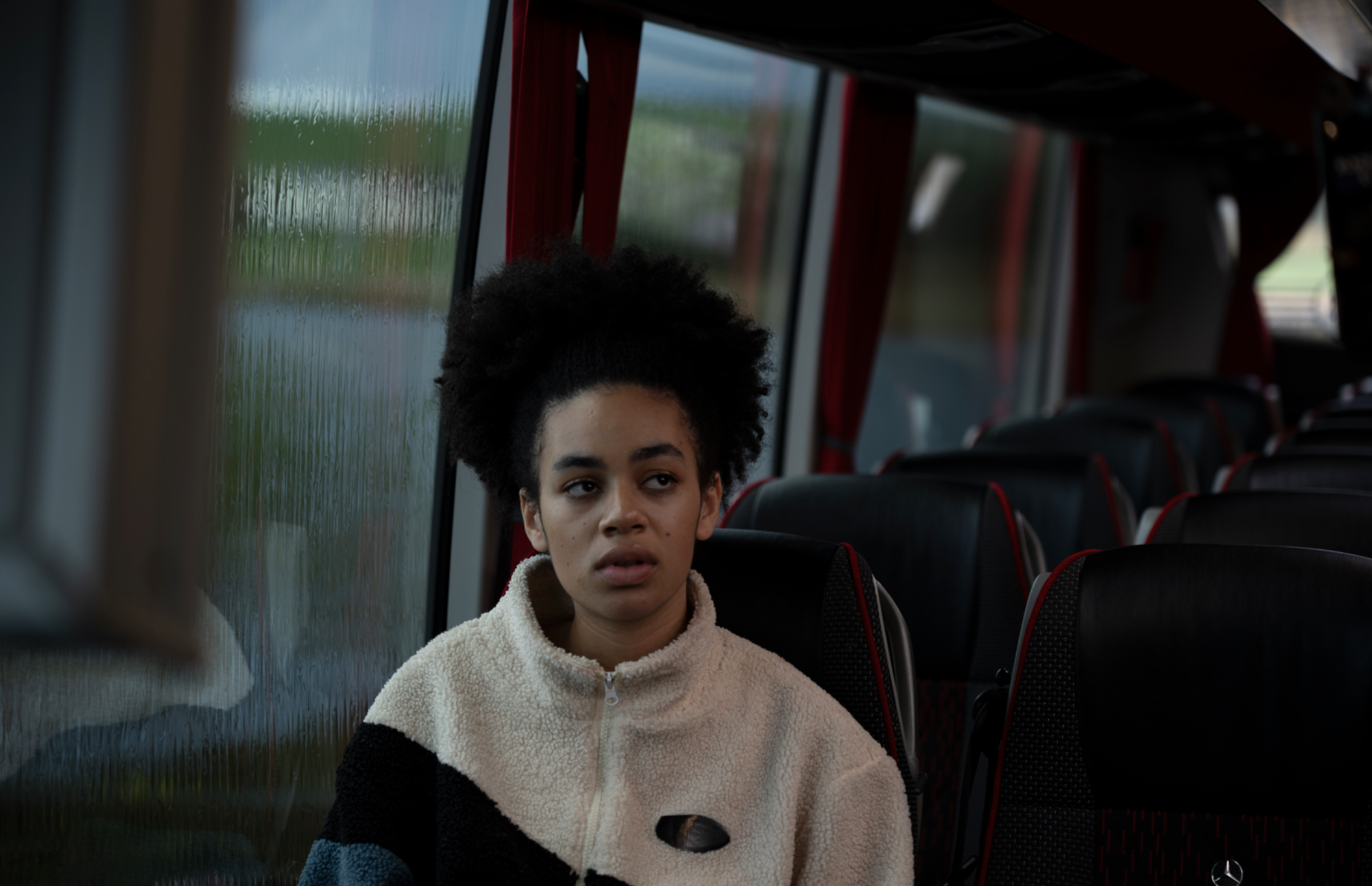
Lorraine (Anna Healy) is a mother who has a not-so-easy relationship with her teenage daughter Carla (Sorcha McElroy and Grace Odumosu as the older Carla). A college student of dual ethnicity, Carla is keen to escape her mother's apron strings and to gain what she envisages as independence, even whilst relying on her mother for a lift from their rural home to the bus station. Lorraine shows affection to her daughter as she knows how, offering support in practical terms, preparing her a packed lunch etc. On the verge of adulthood (not a girl, and not yet a woman, to borrow from the song by Britney Spears) and ready to fly the roost, Carla views her mother's behaviour as controlling and overbearing. She makes her feelings known with sarcastic comments and rolls her eyes in disdain.
Written by Shannon Welby and directed by Emily Foran, Minding is set in the Irish countryside, with Irish characters, but still echoes common human foibles encountered in mundane, everyday life on the spectrum of human existence. The director and the team involved saw fit to laud the community in the Donegal village of Carrigart, where the film was made, for their hospitality during filming.
The Cloud Herder
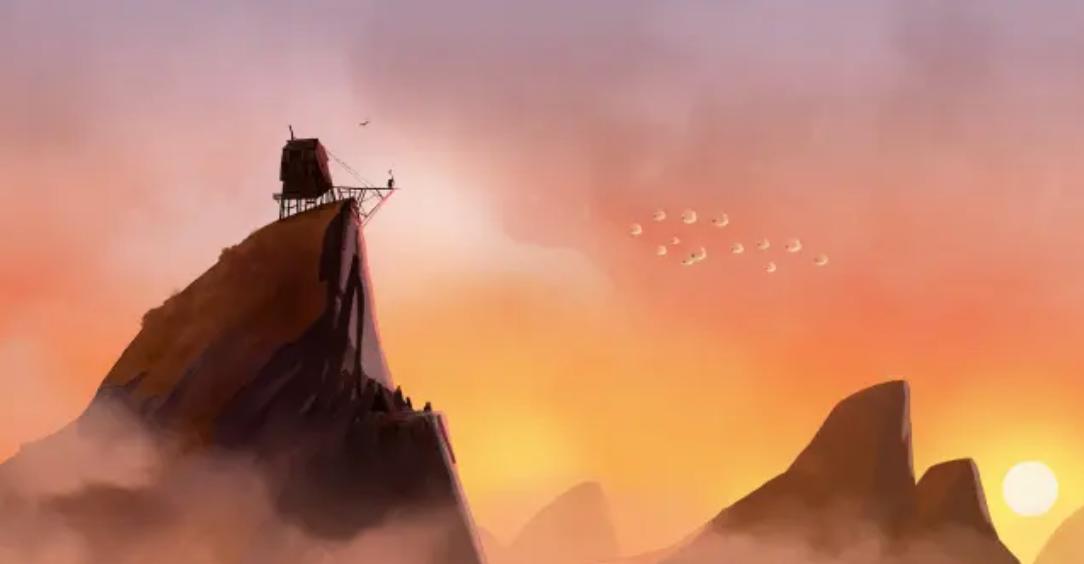
An unassuming old herder looking after her flock in the way a shepherd tends sheep. The difference here is that this is no ordinary flock, as the herder and herded are suspended high up in the sky. The sheep are little clouds, their purpose to harvest rainwater for the valley below them. The devoted herder realises the flock are unable to produce enough this time, and takes it upon herself to conjure up a storm as the solution to stemming an imminent drought. Matters soon get out of hand as the storm takes the form of wolves who set their sights on a small cloud that has veered off from the main herd. In typical spirit, the herder must rescue the ‘lost sheep’ and save the entire flock.
The innovative short animation, written and directed by Aidan McAteer, is enchanting and captures the imagination in as much as it resonates with the concepts of heroism and ‘the good shepherd’ tropes.
Like Me
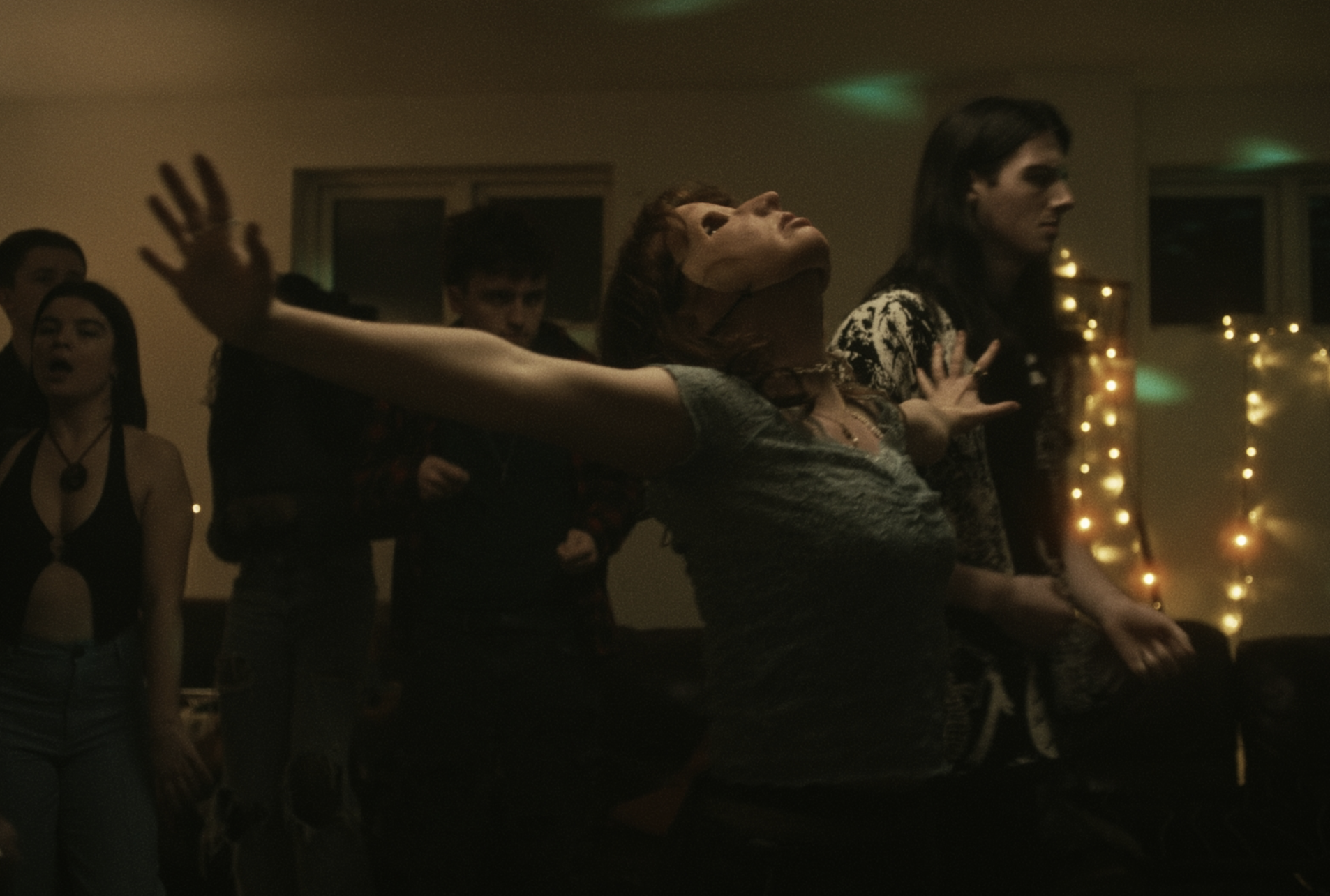
Like Me is a 2025 short written by Ivan Cush and directed by Aisling Brady. Alor (Catriona Ennis) is described as a ‘beast-like monster’ who goes through life masquerading as a human being and, to this effect, wears a mask of a human face. The ‘porcelain’ skin material does not entirely help her keep her predator instincts at bay, and it's all she can do to contain herself. Crunch time comes for Alor when she’s invited to a party and meets Timur (Emma Reid), a beguiling, charismatic stranger who turns out to be more than her match. The drinks flow, loosening tongues along with inhibitions, forcing Alor to choose whether to confront her falsehoods and succumb to a different way of being. Timur teases and cajoles relentlessly and both begin to question who they really are as the viewer is roped into their introspective journeys of reflection, life choices and identity.
Screen Ireland Shorts 2 screened at Light House Cinema on 21st February 2026.

