

Conor Bryce writhes in joy looking back at this comedically clever classic.
Sticking out like that one weird cousin at a family barbecue amongst the grim, tortuous horror that dominated the mid-2000s, James Gunn's directorial debut landed with a squelch. But on DVD shelves and lists of hidden gems, Slither found its people, and twenty years later it’s earned a proper anniversary. With Gunn now synonymous with superhero cinematic universes, a rewatch is a trip. It’s like realising the guy behind a glittering, billion-dollar skyscraper once built a haunted funhouse with nothing but rubber guts and plastic tentacles.
A gloriously offbeat mix of siege, love story and body horror that would make David Cronenberg blush, Slither’s premise is pure 80s shlock. A meteorite crashes into the woods outside the small town of Wheelsy, South Carolina, carrying with it a parasitic organism. The extraterrestrial nasty wastes no time burrowing into wealthy local businessman Grant Grant (not a typo, just typical Gunn). Grant is all big fish/small pond ego and entitlement, nursing rejection from his wife Starla. Over the course of several days, he changes into something lumpy and ravenous, and begins spreading slug-like larvae that turn the townsfolk into hive-minded extensions. Only a small clutch of survivors remain uninfected - Starla, sardonic police chief Bill, foul-mouthed mayor Jack and blue-nailed teenager Kylie. As the invasion escalates, the motley group realise that killing the original host is their only hope.
Slither wears its influences on a snot-caked sleeve, nicking from all over the horror aisle but letting you in on the hustle. The parasitic takeover echoes Cronenberg’s Shivers. The small-town paranoia and biological grotesquery nod towards The Thing. The wriggling extraterrestrial slugs recall Night of the Creeps (there are close similarities to Creeps in particular; interestingly Gunn is on record saying he hadn’t watched it). Yet the film never feels stuck in homage mode. Unlike creature feature contemporaries like Feast and Robert Rodriguez’s Planet Terror, Gunn recombines these elements with a deft touch. Slither’s ode to Grindhouse feels organic, and it has its own fresh, warped personality.
That personality goes hard. Wheelsy is more than a backdrop, Gunn presents it like a postcard with expletives written on the back. The town has texture; petty local rivalries, old flames, colourful public officials; a cosy, laconic feel of good ol’ boy Americana. Much like Stephen King via his many, many stories set in small-town Maine and Jaws’ close-knit Amity Island setting, Gunn understands that this kind of movie works best when the world feels lived-in. If the town had been full of interchangeable, zero-charisma mannequins, the film would have felt like a static gorefest. Instead, it has an essential warmth and familiarity in place long before the alien slugs start flying.
A fantastic cast helps. As Grant, Michael Rooker anchors the film with a performance that is weird and ugly, yet shot through with unexpected tenderness. He begins as a man whose bullish confidence masks an insecurity over his (younger) wife. When the parasite takes hold he surrenders, but a thread of his more likeable human traits remain until late in the movie. He genuinely loves Starla, and there’s a clever tragedy at play in how the alien warps this love, the hive mind’s plan to absorb the entire town acting as a twisted extension of Grant’s need to be needed. In lesser hands it wouldn’t work, but Gunn regular Rooker pulls it off. Despite everything, we still feel sorry for Grant, tentacles and all.
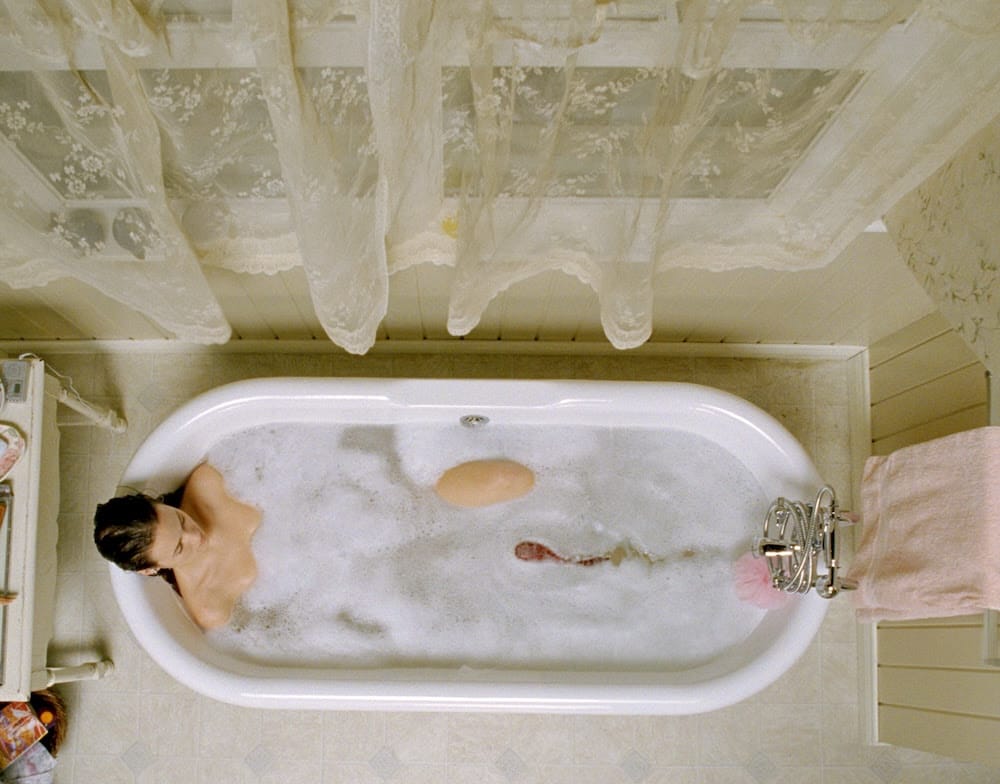
Elizabeth Banks brings an instant likability to Starla, softening the escalating terror. She could have been reduced to a stock horror damsel. Instead, Banks plays her as intelligent and emphatic - she quickly recognises and accepts the bizarre danger she’s in but is genuinely sad to see the man she married be replaced by something wearing his face and fragments of his affection. Her scenes with Rooker in the latter half, particularly when the Grant monster attempts a repulsive romantic reunion, are some of the movie’s most memorable.
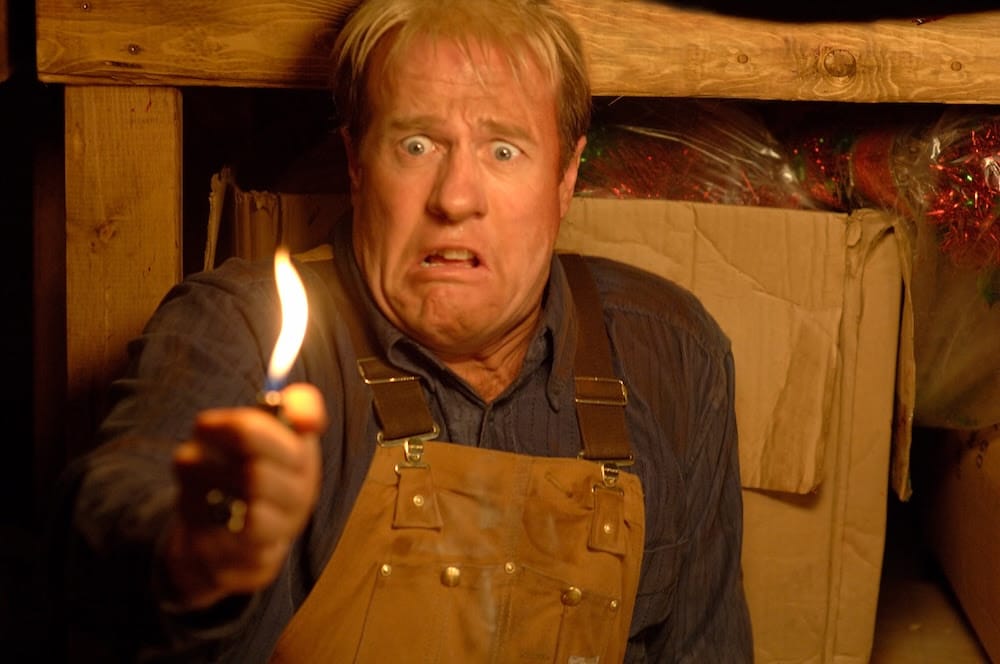
Nathan Fillion’s Bill Pardy supplies most of the film’s laughs. Rather than swaggering into the kind of action-hero mode he can do in his sleep, he plays the sheriff as a man perpetually frustrated, always half a step behind events. As with his best work (see Firefly and the latest Superman reboot, also from Gunn) his funniest moments come from deadpan reactions to insane situations - lines are delivered in ways that say yes this is unbelievable and terrifying, but I’m gonna have so much paperwork to do in the morning. His romantic history with Starla also adds a subtle charge, without tipping the story into schmaltzy soap opera.
The creature effects still look fantastic. Gunn and his team lean heavily on practical work, utilizing latex, prosthetics and more fake slime than a Ghostbusters fan convention. Infected townspeople swell and explode, slugs wriggle past teeth and tongues, tentacles pulsate and grab. As is usually the case, the ‘real’ effects give the movie weight, while the (thankfully minimal) digital enhancements creak a bit, particularly in wider shots of the creatures. Thankfully, the overall feeling is one of authentic, handcrafted charm. The final form of Grant, a hideous mass of flesh and assimilated bodies, pulsing with collective consciousness, has made it to plenty of ‘top movie monster’ lists in the last twenty years.
Slither occasionally meanders, particularly in the middle stretch, as Grant’s infection slowly spreads and livestock start to go missing. Gunn also stays with a gag a fraction too long more than once, yet to hone the note-perfect humour that would send Guardians into the stratosphere. Yet these rough edges barely matter. As the movie rolls into the last act, Troma veteran Gunn takes the brakes off and lets loose - propane tanks, flesh and explosions, oh my - in a climax tailor-made for rowdy midnight crowds.
Gunn’s trajectory gives Slither a fascinating layer. In 2006 he was known primarily for his Troma splatterpunk roots and screenwriting work, including two zippy, poppy Scooby Doo movies and the hugely influential Dawn of the Dead remake (it’s easy to forget that while 28 Days Later largely introduced the fast-moving zombie to the world, Gunn’s Dawn script perfected it). Within a few years, he would helm Marvel’s Guardians of the Galaxy - and its two sequels - transforming obscure comic characters like Rocket Raccoon and Groot into pop culture fixtures. Later still, he would oversee even bigger superhero projects, becoming the man at the helm of DC Comics’ cinematic universe. It’s crazy to say it, but the connective tissue the Slither is clear to see - the fondness for misfits forced into an uneasy alliance, the irreverent humour and clever needle drops, the belief that even the grotesque deserve emotional stakes (his Superman had Metamorpho, the misshapen meta-human with a heart of gold). The only thing missing in Gunn’s 2006 debut was billion-dollar merchandising rights.
In the two decades since its release, Slither has built up a loyal fanbase that betrays the box office take. Initially it was overshadowed by darker, more punishing horror like Hostel and Saw, but its blend of humor and gut-churning effects left a mark. These days, horror is all about practical effects and loving nods to the genre. In retrospect, Gunn was ahead of the curve.
It started out as a flop, but Slither has matured like stinky old cheese into a genre staple - a reminder that horror can be smart without being serious, disgusting without being vapid. Above all, there’s something undeniably magic about a movie that dumps a meteor into a quiet town and just lets the chaos rip. The jokes still hit, the slime still glistens, and the slugs…yep, they still slither.
Slither is now in select cinemas and available on digital download, with the Special Edition 4K UHD + Blu-ray Steelbook combo from 1st June, which can be pre-ordered through HMV, ZAVVI & Amazon


