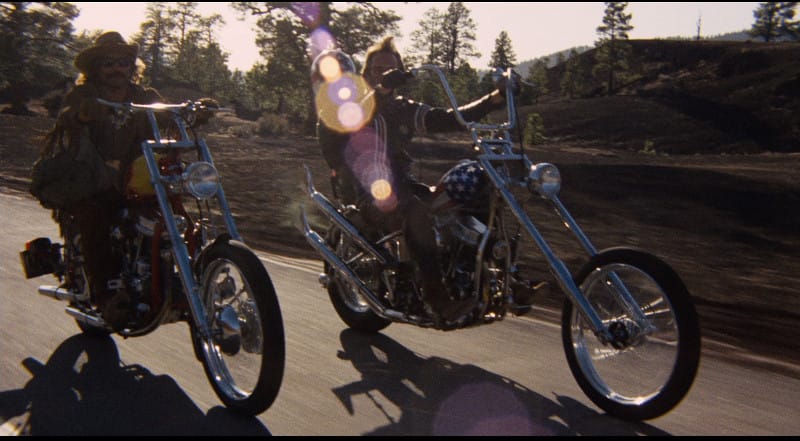

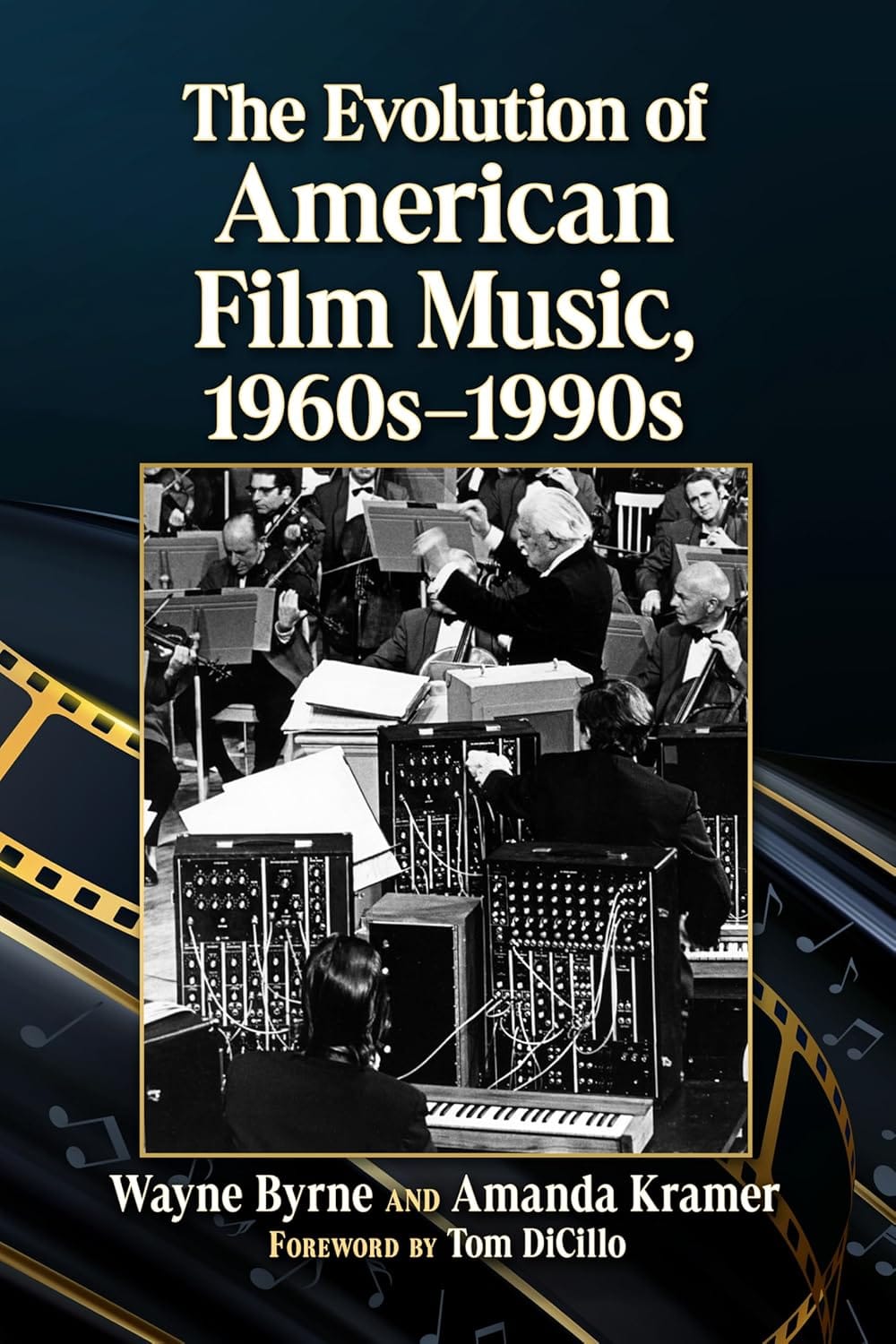
Kildare native Wayne Byrne keeps his impressive run of publishing at least one book a year with The Evolution of American Film Music, 1960s–1990s: The Inside Story of Shifting Soundscapes, his latest collaboration with musician Amanda Kramer. The two previously worked together on Hired Guns, a revealing collection of interviews with Kramer’s fellow female session musicians that offered an uncommon window into women’s roles and experiences in the music industry.
This new volume combines meticulous archival research with lively, first-person interviews and a conversational, often quirky tone that keeps the material engaging rather than academic. Byrne and Kramer map a wide musical terrain - linking alternative and post-punk scenes, jazz inflections, the hard-hitting grooves of blaxploitation, and the rise of music supervision as a commercial force - while lingering on small, telling production moments that explain how films actually get their sound.
Interviews with figures such as John Lurie, Thomas Dolby, and Mark Mothersbaugh bring colour and personality: Lurie’s casual remarks about working with Jim Jarmusch tease untold backstage stories, even as the authors largely steer clear of gossip, which may disappoint readers seeking salacious detail; me being one of them.
Enjoyable and often opinionated, The Evolution of American Film Music, 1960s–1990s illuminates the creative, commercial, and political forces that shape film scoring, and the power dynamics behind the sounds that define cinema, providing both an entertaining primer for casual readers and a great resource for cinephiles and practitioners. Well worth your time.
The Evolution of American Film Music, 1960s–1990s: The Inside Story of Shifting Soundscapes is available to purchase on mcfarlandbooks.com.
 Steven