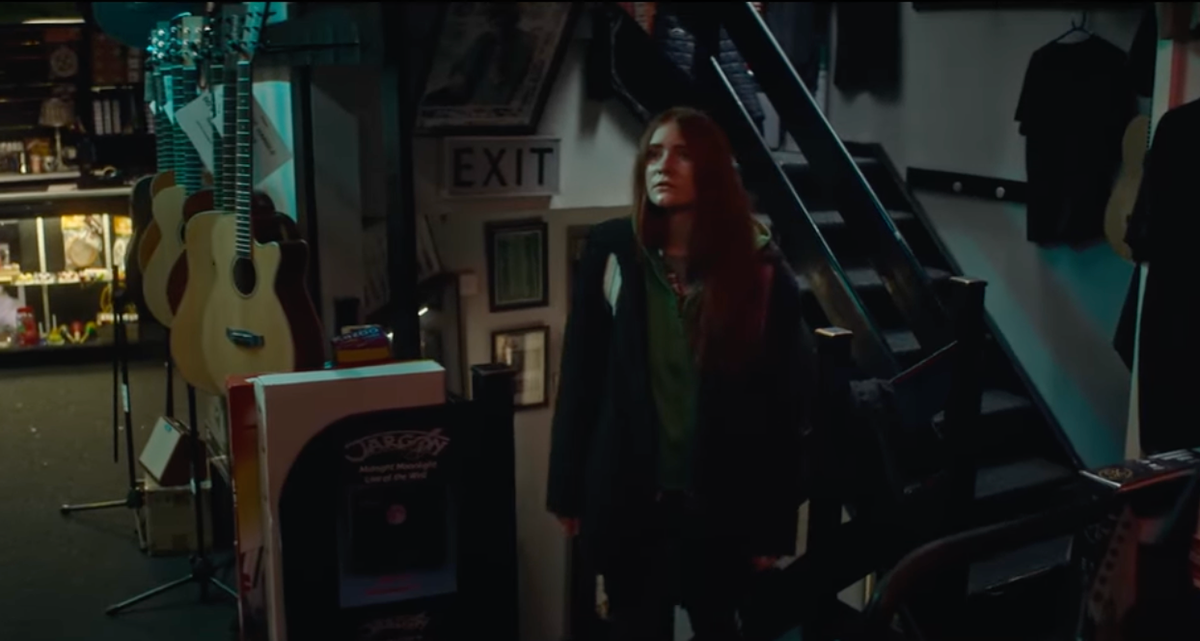

Premiering at the Dublin International Film Festival, Samanta Nobody marks writer-director Ciaran Creagh’s continued work with social realism on screen, tracing the life of a teenage girl navigating homelessness on the streets of Sligo. For the film, newcomer Lennon was nominated for the DIFF Discovery Award 2026.
Developed alongside Creagh’s The Lightkeeper, which also premiered at DIFF 2026, the film builds on themes present in his earlier films, exploring isolation, resilience, and the small, human gestures that can hold unexpected significance.
Ahead of its screening, Lauren Gallagher spoke with Lennon and Creagh about the film’s emotional core, its fast-paced production, and the importance of empathy in portraying Ireland’s ongoing housing crisis.
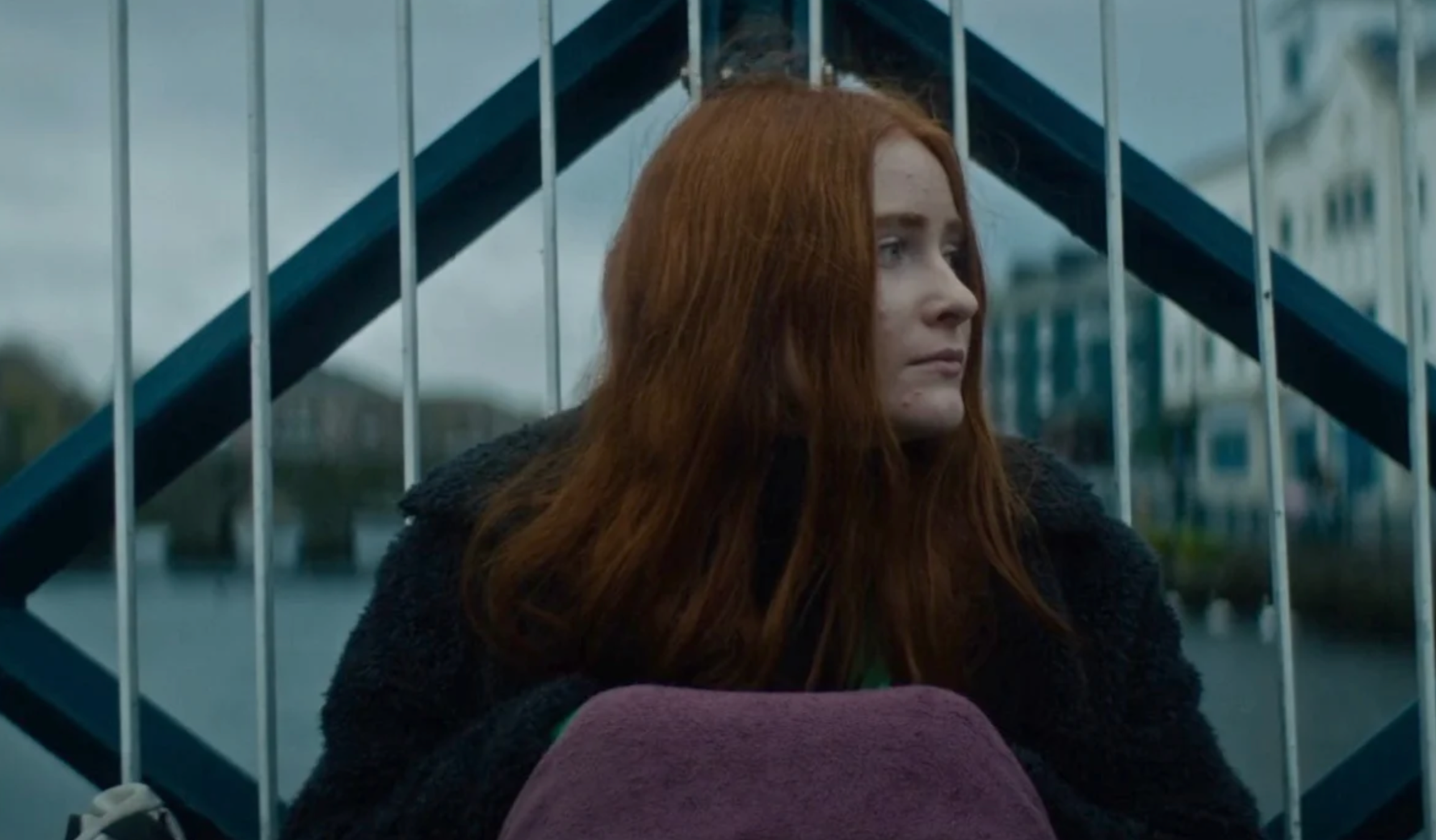
Huge congratulations on the Discovery Award nomination, Ruby! How does it feel?
Ruby: Oh my gosh, yeah, it’s overwhelming. I’ve been doing this since I was so young, so to be recognised, especially for this film… everyone worked so hard on it. It was a two-week shoot and everyone just gave 100%. So to be acknowledged for that is really, really special.
What was it about Samanta Nobody that first drew you to the project?
Ruby: I mean, the housing crisis in Ireland. You step onto the streets of Dublin and you see it, it’s everywhere. It’s a big problem. So having that in my head, the script really brought a newfound sense of sympathy, and I hope that happens for audiences too. It just felt really special. I knew there was something special about it, and hopefully it can make an impact.
Ciaran, I was speaking to Dominic Cooper and Sarah Bolger at The Lightkeeper premiere - and they had so much praise for the script. Were you working on multiple projects at once, or how did that process work?
Ciaran: The way I work, I just sit down and write. I can be working on two or three scripts at the same time. With this one, compared to something like The Lighthouse, which I wrote but didn’t direct, it went through six or seven versions. Every producer who came on board had notes, so it evolved a lot. I was probably working on it for about five years.
But in a strange way, the final script is very similar to the first one. Sometimes you have to go through all these different places just to come back to what you originally had.
Ruby, are there any conversations you’d like audiences to have after seeing it?
Ruby: Definitely. I hope people might start doing more acts of kindness and have a bit more respect for those living on the streets. It’s easy to walk past and ignore people, but even something small, like getting someone a hot coffee and a sandwich, could really make their day.
And if you had to sum your character up in a few words, how would you describe her?
Ruby: I think brave. I know that’s overused, but she is. She’s also very vulnerable. You don’t always see it, but when you do, it’s very clear. She has a lot of empathy too.
For Samanta Nobody, Ciaran, does it feel like a departure from your earlier work at all, or does it sit alongside it?
Ciaran: I’m very much drawn to social realism, that’s what I love. Even if a film isn’t as heavy as others, those themes are always there. I’m interested in people, how they behave, how they react, what happens when you put them in certain situations.
And what are you hoping audiences take away from the film?
Ciaran: I want them to leave with hope. There are a lot of strong feelings around homelessness, but people can get out of it. And in this film, music is something that can transport people somewhere else. That’s important.
Samanta Nobody premiered at Dublin International Film Festival 22nd February 2026.
 Film Ireland Editor