

This year, at the Galway Film Fleadh, our festival correspondent Shannon Cotter met in person with writer and actor Sadhbh Malin, and director Pippa Molony to discuss their claustrophobic, contemplative short Bump, which premiered at the 2026 festival.
How did this collaboration come together for the short?
Pippa Molony: Sadhbh and I have actually known each other since childhood. We were in a stage school together as kids, NPAS, but in different years, so we didn't really cross paths that much. I was sort of aware of Sadhbh as one of the older cool kids! We officially formed a relationship when I was directing my college graduate short film, Thicker Than Water, and cast Sadhbh as one of its key characters. Working with her on what was a very personal film for me to make at that time became a beautiful, treasured experience. I’ve formed very meaningful relationships with all of that cast on that short, but especially with Sadhbh. I think Sadhbh is a very interesting and exciting new voice in film and theatre, and I value her as an artist and collaborator. Seeing much of her writing and acting work since then, I knew I wanted to work with her on more film projects. So when Sadhbh then approached me for her Actor as Creator (a funding initiative supported by Screen Ireland and Bow Street Academy), I was over the moon.
It feels like climate anxiety has really been on everyone’s minds lately, especially with the recent heatwave across Europe. How did the story formulate for you, Sadhbh?
Sadhbh Malin: It was something I was really tormented by for a long time. For context, I grew up as someone who, all I ever really knew about myself was that I wanted to be a mother, at some point. It’s been such a constant want in my life. And as I grew up and became more engaged in the world and the realities of the world, the existential doom of climate change tormented me. I really felt the weight of my responsibility in it.
I wanted to explore the extremities of that fear, what happens when someone internalises that fear, how the need to protect an unborn baby can take on a whole new meaning.
Reflecting on writing Bump, it was really cathartic. I feel like I've made a lot of peace, knowing it’s not really up to us. We do have to live our lives.
What made you approach Pippa to direct the project?
Sadhbh Malin: We had worked on Pippa's short together, and it was such a beautiful, heartening experience. There’s something just so wonderful about working with young people who are at the start of similar creative pursuits. We were all young, enthusiastic, passionate, and really energised to make something, and I think resonant work gets made in that environment because people care. I think, having had that experience, and seeing Pippa in that environment, making something that she was so passionate about, we really connected over that. I always tell everyone I meet about how she is just so outstanding, and so talented in so many different pools, and with so much empathy. She’s got such a special way of seeing people, and that translates into the work that she makes. I was really attracted to working with someone who had that energy, enthusiasm and empathy. I feel like it wasn't even a decision. I feel like I got the funding, and I was like, "And Pippa will direct." (laughs)
Speaking about funding, you guys got to work with Screen Ireland and Bow Street Academy through their "Actor as Creator" scheme, which is a fabulous programme. Can you tell me a bit about that?
Sadhbh Malin: Yeah, I made that application three and a half years ago. Like, it was such a long journey. I applied one Christmas and found out the following Christmas that I got it. I think it’s such an incredible initiative because it’s, like, not an intimidating amount of money, and there's so much support. It really puts the actor at the centre of it and encourages them to make work which, I think we all know, feels really imperative. It’s such an incredible first film opportunity, so hopefully there'll be more pockets of funding like that.
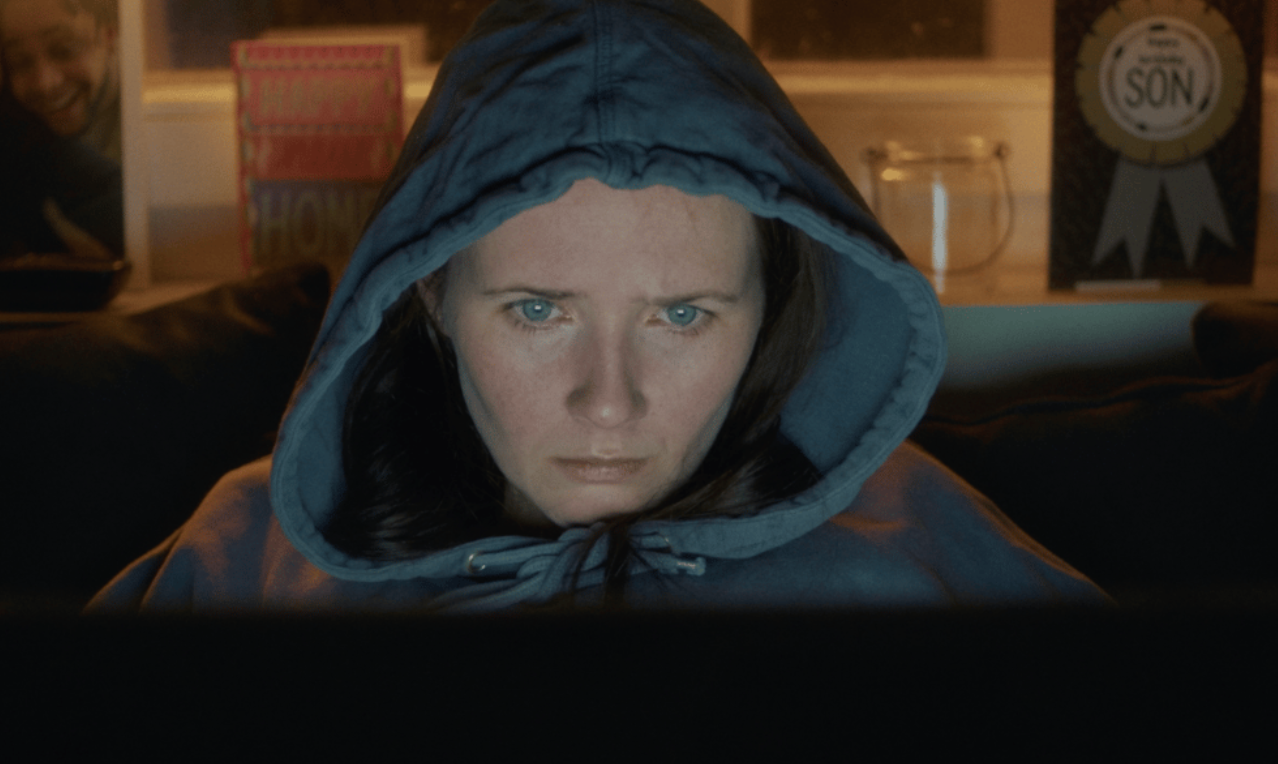
Pippa, there’s such a strong sense of unease throughout the film. How did you create that atmosphere?
Pippa Molony: Once we had a rough assembly of the film together, I think a conversation that came up pretty quickly was one around tone and genre. What did we want people to experience in the story? What did we want an audience to feel? More than anything else, I see Bump as a character study of a woman reaching psychological crisis. Directing the film, I wanted Clo's experience to feel unnerving and uncomfortable, but I really didn't want it to become a horror film or to play too much into tropes of that genre. Straddling that distinction was challenging, in terms of the editing and sound design choices we made. How do we create that atmosphere while also maintaining it as a psychological drama? I think the pacing was really important, and we spent a while just trying to fine-tune when ramping up to our more disturbing final scenes before creating an ending that genuinely feels like a release.
We had an amazing sound designer named Devraj (Bhaumik) who poured a lot of time into creating the world of the film through sound. For the dream sequences in Bump, he was really interested in creating a "womb-universe", that's how he coined it, which was really fun to play with. It was really lovely to have someone who was so excited by the time it came to post sound, because it was a long journey to get there. It took a while to finish the film because our budget was so small, but we were aiming for something that felt like high production value. This was a passion project, and we were working away on it slowly and when we could, outside of our full-time jobs. So when Dev came on full of beans, it was just great. He injected a lot of the atmosphere into our world through sound, which really helped to bring the film to life.
It’s really impressive, the work you did on that budget, particularly the water scene and the scale it created. Was that in the original script?
Sadhbh Malin: It was in the original script. It was funny. Like, I'd be so naive because I've never been on that side of production. As we worked with our producer, Ben (Jacob Smith), who was fantastic, he came up with some ideas, and Ben Harte, our amazing set designer.
When it came closer to the shoot, it became increasingly obvious that it was going to be risky. Ben built a thick kind of plastic tank that was see-through, and it was on the floor in the kitchen, and we were gonna fill it, but there was always going to be a risk of leaks.
I remember just thinking on that day, like, if we don't pull this off, the film doesn't really exist because it was the climax of the film, really. There were a few hiccups, but Pippa, legend, put time aside on the day for any hiccups. There was one major panic, but it didn't interfere too much because there was enough time put aside, and it worked.
Pippa Molony: That was definitely the most challenging part of our pre-production, and figuring out how to do it took up a lot of time. We only had a month to prepare for the shoot, outside of people's day-to-day jobs, so we were working on it every day. Ben Harte and I called a bunch of people for advice because, usually, if you're flooding something in a movie, you’d film in a studio. But with a budget of €5,000, which reduces considerably after the costs of insurance, equipment and paying the people who work on it, we couldn’t afford to build a kitchen set in a studio and flood it out. Ben did loads of research and talked to carpenters, set builders and people with experience in water-related filming. He then built a tank designed to be the exact measurements we needed to fill. It was fitted for the floor of the very sound person's house we were filming in, who was very kind to give us that location in the first place, and for free. So it was very high stress because it was still pretty DIY, but, like you said, Sadhbh, having enough coverage and a wide enough shot of that scene was really important to sell the illusion.
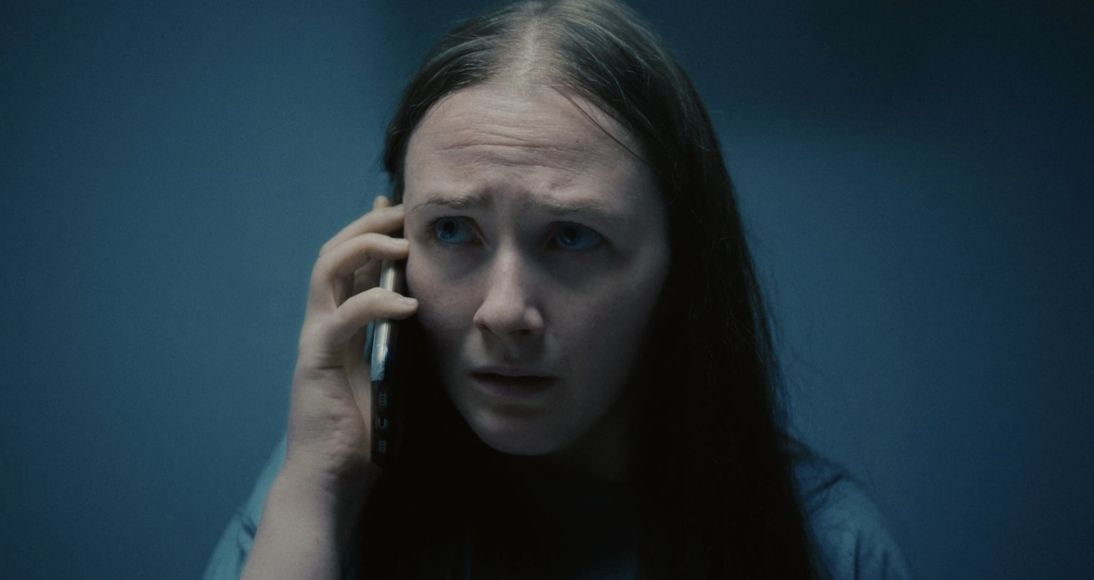
Tell me about the casting of Kwaku Fortune. He was amazing and really brought two different sides to the project.
Sadhbh Malin: Really early on. Like, I feel like a year prior to us even asking Kwaku to be a part, me and Pippa mentioned him. He was our first choice and only choice for, like, a long time. When we had our first rehearsal with him, I remember him being so playful and so present. He had this innocent kind of warmth about him that contrasted so well with the inner darkness inside of Clo. He was such an antithesis to her dark inner world.
I think the film portrayed a real sense of anxiety with regard to becoming a mother, particularly in an online and social atmosphere where it feels like there’s pressure from right-wing groups on women to have more children despite the risks of climate change. It feels quite timely. Was that a message you wanted to come through in the film?
Sadhbh Malin: When writing it, I don't think I was really thinking about an audience ever watching it. I hope that's why it resonates, because it came from something that I was deeply curious about and questioning.
There’s always so much politics and opinion around women's bodies and fertility and what the role of a woman is. Without really trying to, I think it does continue that conversation.
Speaking of conversation, was that Joe Duffy?
Pippa Molony: Yep, that was Joe Duffy.
Tell me about this. Do you just call Joe Duffy up and be like, "Can you hop in a short for twenty seconds?"
Pippa Molony: Yeah, sort of. Sadhbh wrote in the script that the presenter for the radio conversation was a 'Joe Duffy type'. When it got to the conversation around casting, I think [Sadhbh] was like, "Oh, you know, someone who might sound like this, this guy could work." I was just kind of like, "Sadhbh, I think we could get Joe." He's just retired, he might have lots of time on his hands.
I found a contact for him, reached out, sent him a big, long email, like, you know, we can set up a recording day, we'll cover costs, we'll look after you. I think, due to budget, we were still asking him to do it for free, but like a "you'll be covered" kind of thing. And then he just sent back a very brief email with three or four takes, all of perfect, crisp quality, and went like, "There you go." He was so sound and just sent it over straight away. It was great.
I'm curious, what does the final shot of the film mean to you?
Sadhbh Malin: Hopefully there is a sort of loose-ended feeling that I think can be interpreted. For me, it's important that, even though it is open-ended, there is hope, and I'm glad you felt that catharsis too.
Was it a hard shot for you to tackle, Pippa, at the end, trying to capture all those emotions in those brief shots?
Pippa Molony: There were a lot of amazing and very difficult performances from Sadhbh over the weekend we were shooting. We filmed Bump over a weekend, the Paddy's Day weekend, actually (laughs). So getting to set was maybe difficult on one of the days. There was a slightly inconvenient parade happening.
It was a really tight shoot, so even the fact that we managed to get such wonderful performances [was amazing]. As well as being creator and lead actor, Sadhbh was a producer too and would be having conversations about shots with me, Ben and Gráinne Galvin, our fantastic DOP, while also having chats with other crew members before suddenly switching into character for some really difficult performances. I've thought, like, you know, if Sadhbh weren't as amazing an actor as she is, the performance could risk coming across as quite melodramatic and not believable.
I remember that, for our final scene, not unlike other scenes in the film, we were quite tight for time. I was nervous because I don't think we rehearsed the scene before we shot, and I was worried about whether we'd be able to get it in the time we had, as it's such an important moment in the film. Unfortunately, we lost quite a bit of footage too. Our card corrupted, so in the edit we had little coverage to use then too. But of course, when Sadhbh did it, it was like, "Oh yeah, first take." It was like you could just feel something coming out of [Sadhbh], from deep within, and whatever it was, it was completely right. So, yeah, I think we got the shot, as they say. (laughs)
Sadhbh, how did you find it juggling the whole writer, actor, producer side of things? Was that challenging for you?
Sadhbh Malin: Of course it was challenging. It was definitely a new level of undertaking. It was my first time properly acting in something I'd written, and I actually found it really invigorating and satisfying. There was this feeling of belonging and understanding because it came from my brain. Even though it was challenging, and there were stressful times and plenty of self-doubt, it wasn't as overwhelming as I would have thought it would be.
Bump is having its premiere at the Galway Film Fleadh. First of all, congratulations on such a massive achievement. How are you guys feeling?
Sadhbh Malin: Excited.
Pippa Molony: Proud of ourselves and relieved.
Sadhbh Malin: Relieved is a big one. Really buzzing. I think ever since we made the film we had Galway on our minds as the kind of ultimate goal, so to have that ticked off so early on is like (laughs), it was all worth it.
Pippa Molony: For sure.
Due to our limited runtime, Shannon had a few bonus questions answered by Pippa and Sadhbh through email....
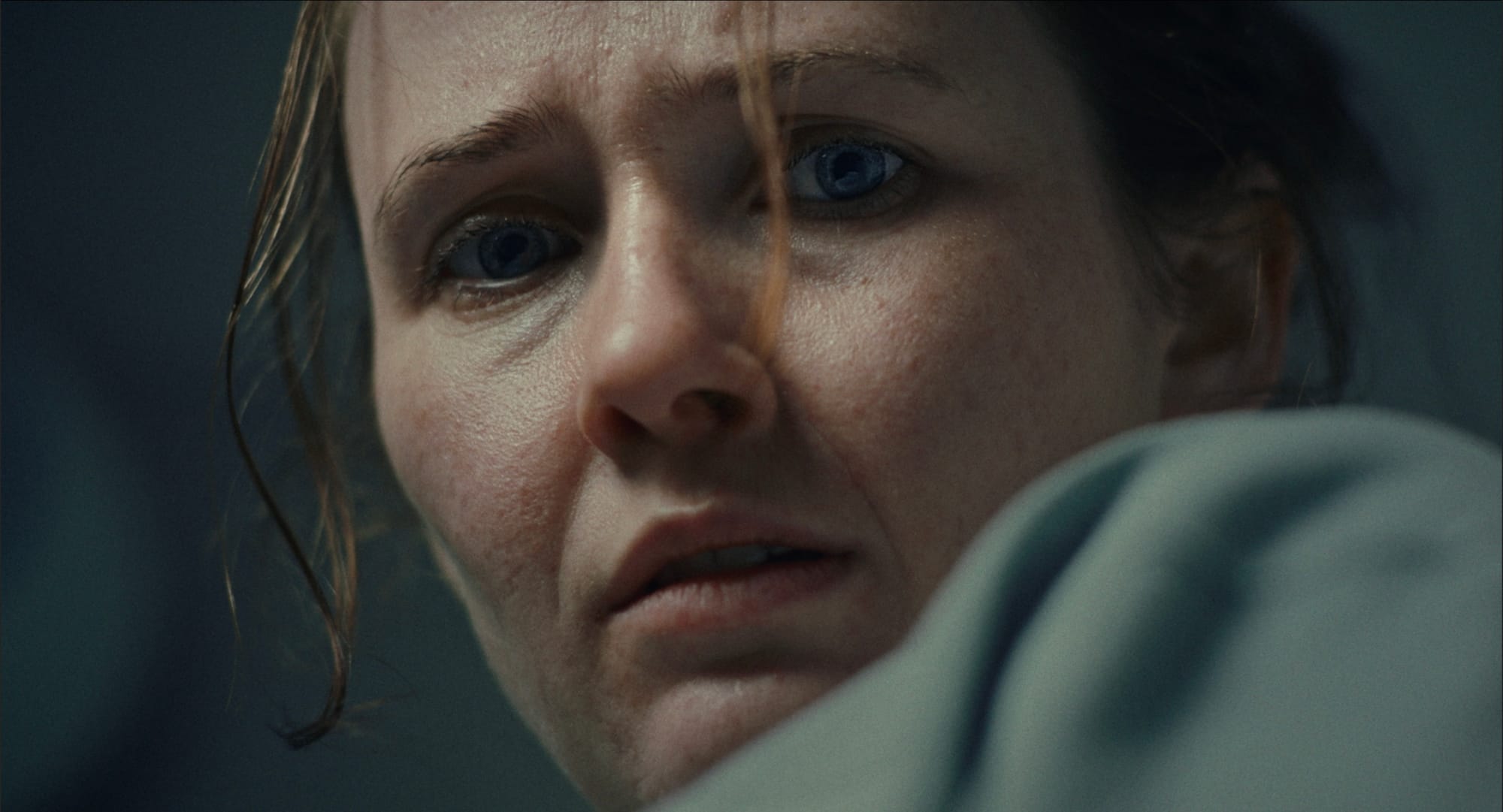
Rory Sweeney's score really adds a haunting unease to the film. Can you discuss how that collaboration came about?
Pippa Molony: Rory and I are already close collaborators through music. My debut EP, Hungry Ghost, is an eight-track avant-pop EP that explores consumption, folklore and dreams, and was created in collaboration with Rory. We actually met in college (the National Film School, IADT), where our collaborations in both film and music began. In fact, Rory is the reason I started making music in the first place. The very first track we made together was to score a film project he'd made during our first year at film school. So having Rory compose the score for Bump felt totally right and was a natural progression in our working relationship.
I have never really had the chance to properly experiment with original score in one of my films before. I've usually leaned towards naturalistic, diegetic sound, so I was really excited by the opportunity to build a score around the emotional beats of Bump. Rory and I have very similar taste in both film and music, and I really trust his instincts. He's also a huge admirer of composers like Mika Levi, Oliver Coates and Bobby Krlic, whose work was a big inspiration for the kind of score I imagined for Bump. But the thing I love most about working with Rory is that he always surprises me. We both share the philosophy that our job isn't to make what we personally want to create, but to make what is right for the film. The score is mad, brash and completely in your face, which I absolutely love, because we both felt that was what this film needed.
Sadhbh, there's a growing number of actors who are taking their hand at scripts also. What was it like getting to create a role for yourself? Is this kind of character a challenge you'd been looking to tackle?
Sadhbh Malin: To be honest, I didn't really think of the performance while I was writing Bump. Clo's story was something I was very curious to write about, and playing her was a lovely bonus!
Is there a hope to take Bump somewhere else in the future?
Sadhbh Malin: It's hard to tell what's next for Bump. I'd love to work with Pippa and producer Ben again. We're in the early stages of another project, so fingers crossed!!
The conclusion of this film brings a great sense of catharsis in approaching what's ahead. Is there anything, as artists, you do to support yourself mentally with some of the ongoing exterior stresses of the world?
Sadhbh Malin: Writing + making work is such a remedy. As well as friends!! And, even better, when you work with your friends! We're very lucky to work in an industry that values feeling and expression so much!
Pippa Molony: Gosh, good question... Unfortunately, there isn't a magic pill that makes bad things go away, and burying your head in the sand isn't a viable alternative either. The world right now does feel scary. It feels polarising, extremely black and white. But it's in the grey areas where life actually happens.
Personally, I find it helpful to consume less. Less news, less social media, less screen time, buying less, owning less and generally allowing less into my bubble. We live in the age of information and constant consumption, and I think the antidote to that is balance. The difficult thing, though, is that balance is hard to achieve, in practice, I mean. The main things that support your mental and physical health are the least exciting: diet, sleep, exercise, stress management and mindfulness, remembering to drink water... That answer is boring, but it's the truth, I think. The solutions are what you think they are, and keeping those things in check really does work, but that doesn't mean it's easy, or always possible, to do.
I think one of my personal struggles is preventing burnout. I often say yes to too many things and throw myself into as many projects as I can, but that pushing eventually leads to more running out of steam. I think many creatives experience this, and I do wonder if women often find this harder to navigate, or feel an extra pressure to please and say yes when really, we should be protecting our time, perhaps even more than our male counterparts. It's something I'm constantly trying to keep myself in check with, and I don't always get it right. Saying "no" is an underrated and necessary part of being a good artist. Every time you decline something non-essential, you can trust your "yes" to be for something that really matters. It is also just as important to take the time to recover from a project as it is to make it in the first place. Films can become completely all-consuming if you let them, especially when you're a director, so making time for friends, family and rest isn't just important for your wellbeing, it's important for the work too. You're a better artist when you have the energy, flexibility and emotional capacity to create and collaborate with others. If you care about your art, you have to care about yourself too. So listen to your body's warning signs, practise self-compassion, find moments to pause (creativity comes from stillness), go outside, smell the roses and remember not to take it all too seriously!
The world premiere of Bump took place at the 2026 Galway Film Fleadh.
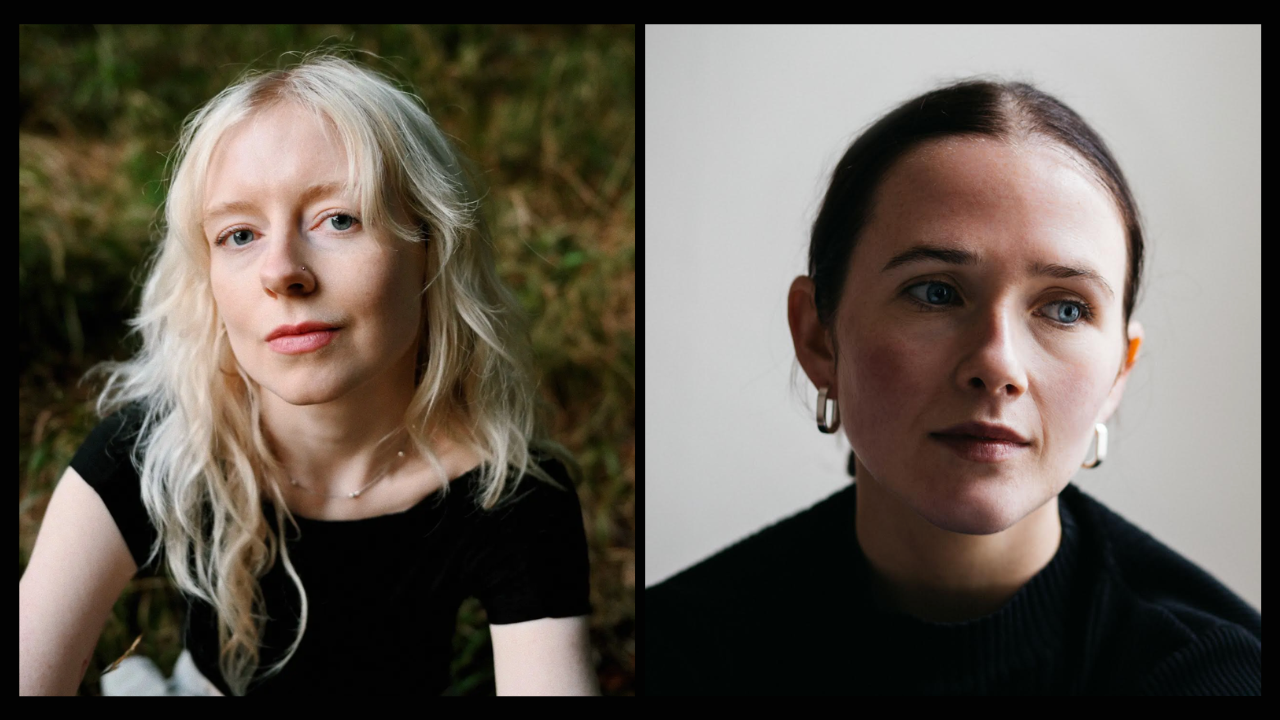
Sadhbh Malin is a writer and an actor from Dublin. She trained at The Lir Academy's BA in Acting. Since then, she has worked across Ireland and the Uk as an actor. Her recent projects include: Outlander: Blood of my Blood (Starz), Bump (Screen Ireland), Conversations with Friends (Hulu/Element), Youths the Seasons (The Abbey Theatre), Portia Coughlan (The Almeida London). She is currently filming a role on a highly anticipated feature film. As a writer, Sadhbh's play in heat premiered The Dublin Fringe festival with a total sell out run + was nominated for the Fishamble award and the Solas Nua New Writing award. In 2020. Sadhbh's debut short film Bump (Screen Ireland) premiered at the Galway Film Fleadh 2026. She is currently developing her next film Bridle and her first feature film.
Pippa Molony is a multidisciplinary artist from Dublin working as a filmmaker and musician. A graduate of the National Film School at IADT, she works professionally as a freelance film editor while writing, producing and directing her own film projects.Pippa's previous short films, Clara's Room and Thicker Than Water, have screened at national and international film festivals and have been featured by the British Film Institute, Nowness, Girls in Film and RTÉ Culture. Clara's Room, her most successful short to date, won the inaugural First Frames Award at Dublin International Film Festival, alongside awards from Fastnet Film Festival, Still Voices Festival, Cinemagic Young Filmmaker, and nominations including the Royal Television Society Awards and IndieCork.
Alongside her narrative work, Pippa has created music videos for artists including Aby Coulibaly, Anna Mieke, EFÉ, Ahmed, with Love, Khaki Kid, as well as for her own music projects (Pippa Molony, Barnburner). She continues to work across fiction, music and experimental film. As an artist, she is interested in making work that challenges audiences and explores themes of female interiority, identity and transgression.


