
Jesus, but October has crept up on us fast this year. One minute you’re thinking the summer heat might last till Santa arrives, the next you’re doubling up on socks, eyeing up the animatronic witches in B&Q, and wondering if fourteen bags of fun-size bars will see off the trick-or-treaters (and a few wee sly visits from yourself). The nights get longer, the curtains close earlier, and the living room once again becomes a place of ritual – blanket, snacks, low light… and something nasty on screen. Welcome to Film Ireland’s 31 Days of Halloween.
All month we’ll be serving up a horror movie recommendation a day. This list will have something for everyone – the curious and the jaded, the gore-hungry and the connoisseurs, the easily spooked, and the “I don’t really do horror” crowd who somehow end up watching the whole thing anyway. Expect monsters, witches, cults, curses, bad dates, worse families, questionable science, rubbery creatures, and at least one decision so stupid it could only be made by a man in a horror movie.
The aim here isn’t to dust off the same old heavy hitters. Freddy, Jason, and pals can enjoy a well-earned nap as they prepare for the big day. Here, we’re looking at oddities, overlooked gems, cult favourites, modern nasties, and under-loved sequels that deserve a revisit. Some are funny. Some are filthy. Some are clever enough to make you feel slightly attacked. Some will have you swearing off public transport, rural cottages, medical ethics, marriage, and Jeff Goldblum.
So clear your diary and dim the lights. Spooky season is short, and the watchlist is long. Do you hear that? Something is scratching at the window. We’d best not keep it waiting. Let’s begin.
To mark the final day of our list last year, we asked our contributors to name the one movie that scared the hell out of them (spoiler if you haven’t checked: it was Alien).
Because this year has been one of the best in such a long time for the genre, we reckoned a 'best horror movie of 2026' was more fitting. The winner? A grim, brilliant warning about what happens when desire overrides consent…
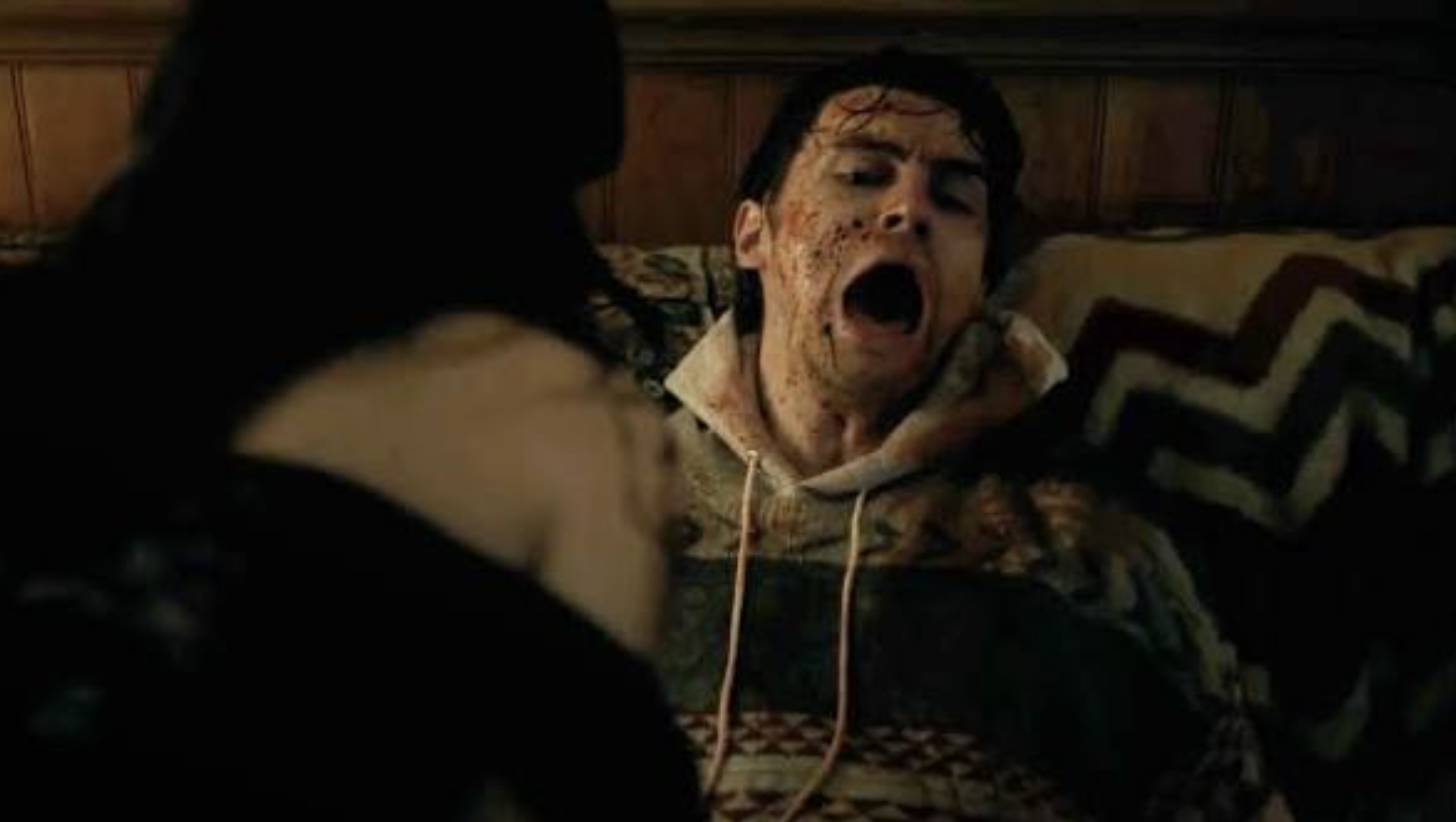
1 – Obsession (2026)
More Than Anyone: Why Obsession is Incel Horror’s Crowning Glory
Some of modern horror’s most potent movies focus on toxic masculinity. Companion, Men, Blink Twice, and more skewer entitlement, performative grievance, and that insidious growl of the “Nice Guy”. Savvy critics have dubbed this subgenre “Incel Horror”. Curry Barker’s Obsession is its most important entry to date.
It begins in the recognisable territory of an awkward romantic comedy. Shy young Baron “Bear” Bailey works in a music shop with his lifelong crush Nikki. Along with friends Ian and Sarah, they hang out, drink, and hover on the brink of adulthood. Bear lacks the spine to tell Nikki that he’s in love with her, but instead of investigating the reasons why, he gambles on magic. His saviour comes in the shape of the “One Wish Willow”, an occult shop item that promises to – funnily enough – grant one wish per person. Bear doesn’t wish for courage. He doesn’t wish for clarity. He wishes for Nikki to love him “more than anyone in the world”. Not a little bit. Not dependent on if she feels the same way. “More than anyone.”
At first, the movie frames Bear as harmless; not a threat, nor as an overt misogynist. He apologises when someone bumps into him, avoids confrontation. He honestly believes that his quiet pining makes him some kind of romantic underdog – not an obsessive creep. For those keeping score on a “save the cat” basis, in a deliberately unsubtle early scene he cries uncontrollably over the death of his pet. He also doesn’t see himself as entitled. He has waited, been supportive. He has not behaved like the men he considers crude or aggressive. In his mind, surely that restraint should count for something, damn it! Thankfully, the movie shatters this shaky logic, highlighting Bear’s assumption that Nikki is his prize to win. Rather than wanting her to be happy – whether this comes from being with him or not – he wants to be first. He wants to be central. He wants her world reordered around him. “More than anyone.” A condition with enormous implications.
Incel culture thrives on the idea that women withhold affection unfairly, that attraction is distributed according to rules that men can’t access or change, and that “good” men are left out because they lack status or swagger. Bear embodies a passive version of that resentment. Okay, he’s not ranting about injustice on a podcast or writing hate-filled anti-feminist Twitter posts (the incel's platform of choice, and no, I will not call it “X”). But he’s still absorbing his frustration quietly, with self-important martyrdom. He mistakes his longing for depth, frustration for sensitivity. His wish also uncloaks a decidedly more aggressive type of incel behaviour – when his request strips away a woman’s agency and programmes her to want only him, what remains? Love? Hell no. “More than anyone?” That’s possession, ugly and simple.
Another critical choice Obsession makes is that it never allows Nikki to become a monster. Again, that would be too simple (see: every Michael Douglas “erotic thriller” made in the 90s). Inde Navarrette plays her as warm, funny, grounded, someone with a life that clearly extends beyond Bear’s gaze. Once the wish takes hold, the shift in Nikki’s behaviour is presented as the violation of her free will, not the uncovering of a dormant, Hyde-esque personality. She never becomes the stock “crazy girlfriend” figure. She’s haunted, not unhinged, often showing brief, heartbreaking flashes of confusion or distress, telling us her emotional range has been forcibly compressed by Bear. The performance walks a difficult line between tender and unhinged without slipping into parody, ensuring we receive Nikki not as the embodiment of male fear, but as a casualty of male entitlement. “More than anyone.” Whether she likes it or not.
Bear’s reaction to the Nikki he got, not the one he wished for, gives us Obsession’s most biting commentary. For a fleeting period, he enjoys it – his fantasy appears to have materialised. The girl he pined for is suddenly attentive, affectionate, and eager. But then cracks appear. Her intensity embarrasses him in public. Her jealousy messes up his social life. What he thought would finally fulfil him just becomes exhausting. Michael Johnston uses a timid, soft-spokenness that makes his Bear far more unsettling than a shouty, cocky alpha male. The chef’s kiss lies in his permanently wounded look, that brand of self-pity that defines the Nice Guy persona, presenting him as someone who genuinely believes he’s a decent lad. It’s a carefully judged performance that resists easy condemnation or easy sympathy, and that complexity helps the movie’s takedowns land with such force. “More than anyone,” but could you be a little less hysterical?
Crucially, Obsession refuses to let the supernatural object shoulder the blame. The One Wish Willow grants Bear exactly what he asks for. No twisting of his words into a cruel purchase. That precision is important. Often, stories about cursed wishes hinge on technicalities; on clever, Monkey’s Paw-style misinterpretations that absolve the wisher of intent. Here, the horror flows directly from the intent. Bear wants ownership, and the Willow obliges him. This is where the movie earns its place as Incel Horror’s GOAT, rather than as a mere cautionary fable. It connects personal entitlement to broader cultural narratives – the idea that persistence will eventually win a woman over has been sold as romantic for decades (see: practically every Hallmark movie made in the 90s). The belief that men are owed a chance because they are “nice” lingers in everything from teen comedies to online forums. Bear is an accumulation of that belief, completely stripped of irony and defence. “More than anyone.” He deserves it.
As the movie progresses and Nikki’s devotion becomes darkly absolute, Bear recoils and seeks an out. Not because he recognises the ethical violation, of course, but because the wish now doesn’t match his tidy fantasy of winning Nikki’s heart. In the movie’s creepiest scene, he calls the One Wish Willow helpline and discovers what’s happening to the “real” Nikki. She’s trapped, screaming in some form of limbo, while “his” Nikki is in control. Despite this, he doesn’t want to remove the wish. He wants it to be altered. Soon after this, he’s sneaking off from a sleeping Nikki. She wakes up, temporarily lucid, and pleads with him to kill her before “his” version retakes the wheel.
His reaction? He’s insulted.
He refuses, not out of compassion, but wounded pride. The suggestion that she’d rather die than be with him feels like a criticism of his company – how could she? In these short, telling moments of – let’s face it – pure evil, lies the movie’s most effective takedown of the Nice Guy persona, and its weaponisation of the male loneliness epidemic. Any doubt about the identity of the movie’s villain is now a tiny dot on the horizon. “More than anyone,” and you’ll like it.
Shortly after, Obsession spirals towards its climax, and Bear cannot maintain the fiction that he is harmless. Rather than revealing any hidden demons or repressed madness, his wish (and subsequent behaviour) has exposed a willingness to override consent. Thankfully, he’s not granted a retreat into self-pity or a magical antidote to his One Wish. The damage he’s wrought traces back to his original decision to prioritise his comfort over Nikki’s autonomy, and he now has a choice – admit it, or double down. Guess which one he picks? And oh boy, does that hit hard. In the end, Obsession the movie is less interested in punishing men than in exposing them. It asks what happens when someone who incorrectly believes himself to be an ally is granted unchecked power over another person’s heart. The answer is not romantic fulfilment (no duh), but non-consensual control. What lingers after the credits is how depressingly realistic Bear’s actions feel. It treats his toxic masculinity as a series of small, recognisable choices; the kind of choices men make every day and then cry foul when they backfire. “More than anyone?” Why didn’t anyone warn me what that meant?
The case for Obsession as the best horror movie of 2026 is straightforward: strip away all the social commentary and you still have a tightly wound, brilliantly performed movie. Keep it, and you have something special that surpasses its hype. Curry Barker directs with a confidence that belies his youth and inexperience (it’s bonkers that this is only the 26-year-old’s second feature, the first an hour-long YouTube project). The pacing is lean without feeling rushed, the wild tonal shifts are handled with unwavering steadiness, and the final act refuses a comforting moral reset that weaker efforts would have reached for. It’s a movie that knows exactly what it is doing and does it without a single wasted frame. It’s a vital, unforgettable experience, leaving us with the lingering dread that true horror is never an unconditional wish, but the belief that the wisher is entitled to make it. More than anyone.
Other 2026 horror movies worth a look: Teenage Sex and Death at Camp Miasma, Backrooms, Hokum, Resident Evil, Send Help, Hope, 28 Days Later: The Bone Temple, Undertone, Primate, Leviticus, Lee Cronin’s The Mummy.
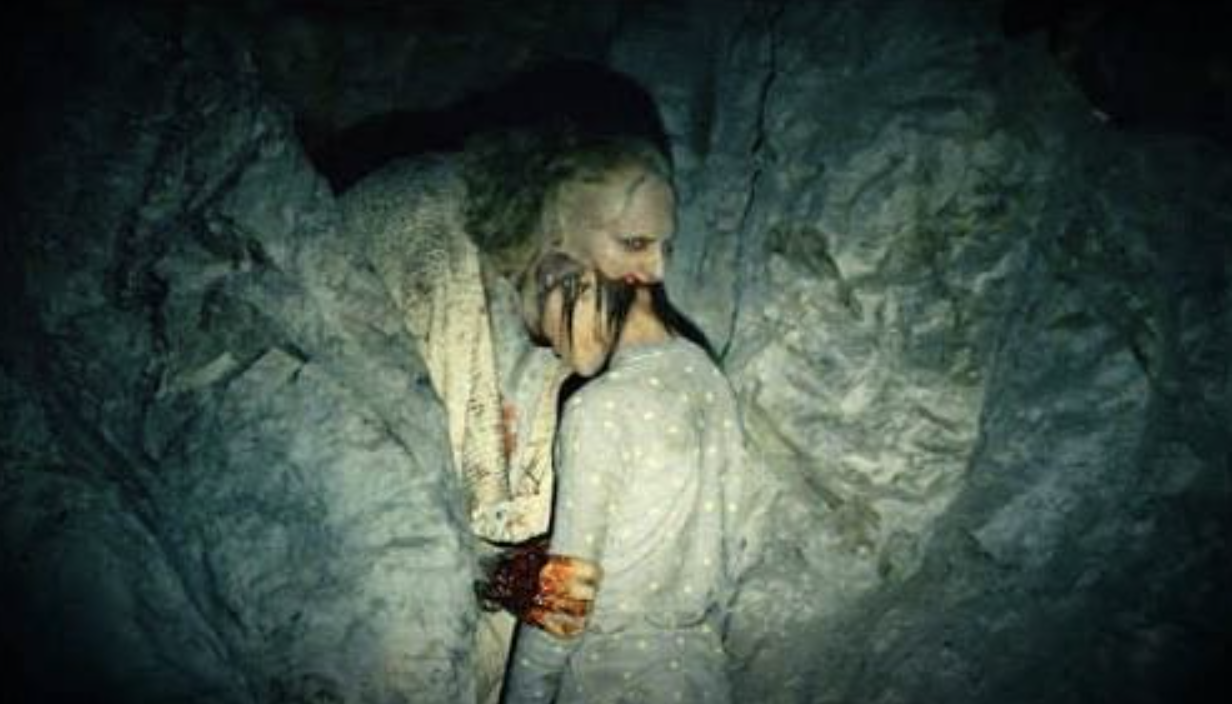
2 - The Taking of Deborah Logan
Rohan Coleman pays a house call to our last Found Footage Friday of the month, a health documentary turned terrifying journey into the depths of past trauma and possessions…
Adam Robitel’s The Taking of Deborah Logan is a horrifying twist on the found footage genre. Masked as a PhD student documentary on Alzheimer’s, the film quickly declines into a state of utter madness, as it becomes clear to both the characters and audience that they are up against far more than a degenerative disease.
The film begins with a student film crew trying to work with Sarah Logan and her mother Deborah on an educational documentary, following Deborah’s progression with Alzheimer’s disease. While Sarah is incredibly welcoming to the crew, Deborah displays various signs of mistrust and suspicion, which become harder to pass off as stage fright. What follows is an ever-increasing number of unexplainable events, as Deborah’s condition and demeanour worsen. Every night filming seems to bring a new nightmare, either from Deborah’s sleepwalking, her violent outbursts, or the shadowy figure that appears in all of her paintings.
Late-night wandering, whispered chants in foreign languages, and a sickening amount of snakes elevate the film’s already incredibly eerie atmosphere into one of complete horror spectacle. The handheld cameras further inject an unshakeably unnerving quality into the film, forcing you into the middle of the blood-curdling action. As you follow the crew into attics and down dark hallways, you desperately wish to look away but are drawn back to the screen time and time again. The film lures you in with its paranormal glimpses before demanding your entire attention as the crew fall headfirst into the unexplainable haunting of Deborah Logan.
The documentary style, paired with a slew of fantastic performances, gives the film an uncomfortably realistic tone, as you connect with its characters and their hardships immediately. Typical filmmaking techniques are traded for an undeniably atmospheric watch, with each moment of terror, sorrow, and grotesque curiosity striking an incredibly emotional tone. Night-vision lenses and slow zooms are among a variety of methods used to petrify, as the entire runtime recalls that early age of internet scaries, found footage videos you never quite figure out the truth behind.
Daring as it is, the found footage style is entirely dependent on its cast to produce a realistically frightening tale, and thankfully the cast of The Taking of Deborah Logan deliver every ounce of monstrosity as if their lives depend on it (which may be the case for some). Every actor delivers spectacularly authentic performances, but it is the magnetic Jill Larson’s portrayal of Deborah Logan herself that amazes and stupefies. Her seamless jumping from prim and proper elderly lady to a vengeful, wicked shell of a long-forgotten evil is beyond mesmerising. Larson and her surrounding cast amp up the already unnerving film all the way, as their screams and cries are chillingly real.
The Taking of Deborah Logan is a brutally compelling journey into an aggressive and incomprehensible haunting, perfect for a late-night horror film this Halloween season.
If you liked The Taking of Deborah Logan, check out The Last Exorcism (2010), Inland Empire (2006), and Shelby Oaks (2024).
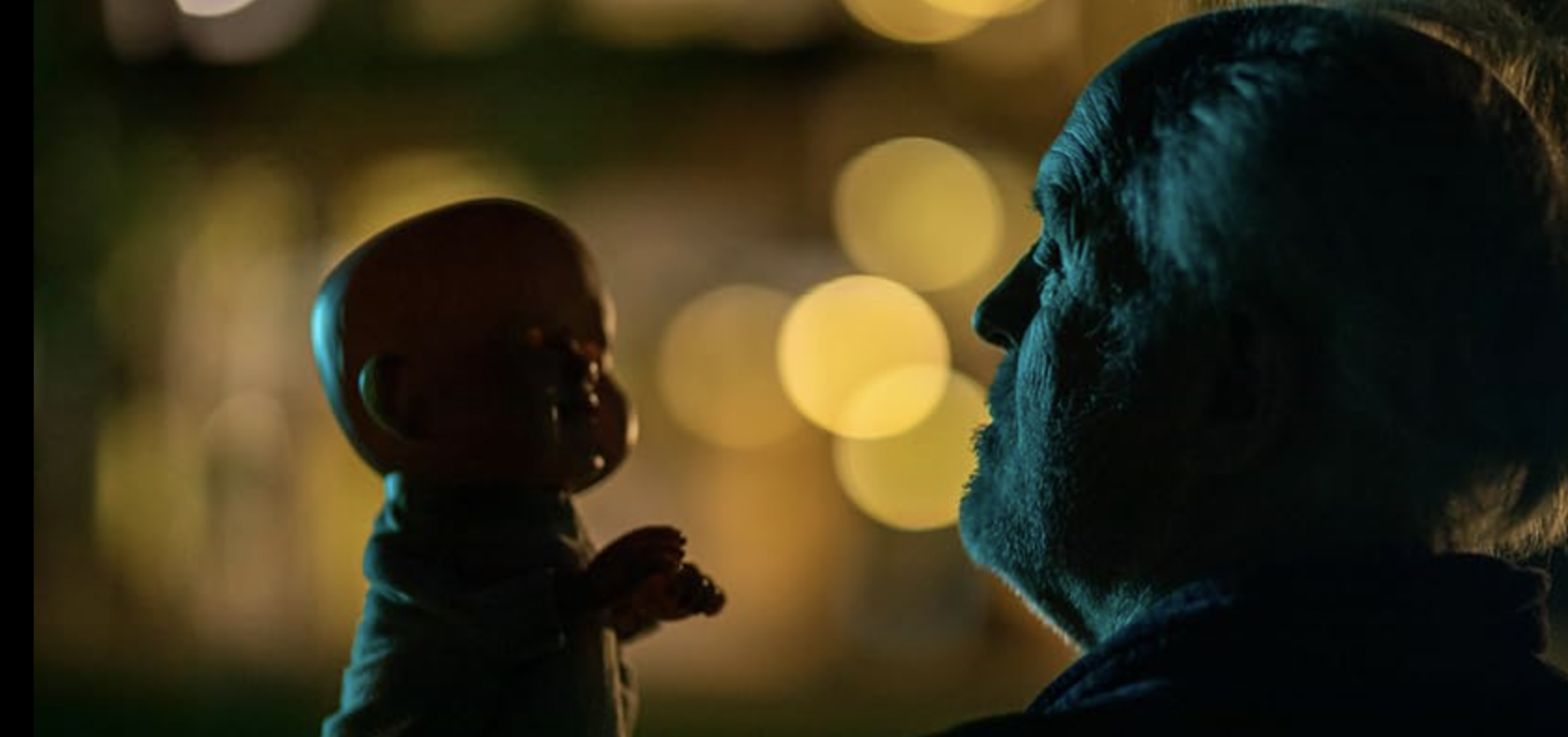
3 - The Rule of Jenny Pen (2024)
James Ashcroft’s The Rule of Jenny Pen is a mean, clever, hugely uncomfortable watch. It’s not a horror movie that bombards us with high-octane terror or excessive gore. Instead, it gets to the meat of what really scares grown adults – having both dignity and power stripped away as we enter our twilight years.
Geoffrey Rush plays Stefan Mortensen, a retired judge felled by a stroke while passing sentence in court. Partially immobilised, Stefan arrives at a care home convinced his stay will be brief. He’s prickly and vain, carrying himself like a man who expects everyone in the room to obey him. The movie is smart enough not to sand him down into an easily likeable hero – Stefan is difficult, snobbish, sometimes downright unpleasant. His sharp edges matter because they make his predicament sting even more – losing control is frightening enough; losing it when you’ve built your whole identity on respect is worse.
Then in slithers Dave Crealy, played by John Lithgow with the kind of cheerful sadism he put to Emmy-winning use in the serial killer series Dexter. Horror always loves a monster in disguise, and Lithgow gives us an absolute beauty. By day, Crealy appears to be a frail and muddled fellow resident. By night, he becomes a tyrant, using a puppet he calls Jenny Pen as his main mode of torture – the residents, including Stefan and his ex-rugby player roommate Tony, must grovel before Ms Pen or face punishment. Stefan’s dismissive attitude towards Dave’s bizarre nocturnal visits changes after a few shocking, violent incidents, and soon we’re witnessing a war of attrition between Stefan and Dave that’s destined for a deadly climax…
Rush and Lithgow deliver one of the best double acts in modern horror. Rush gives Stefan a magnificently frayed haughtiness, a man whose mind is still razor-sharp as his body betrays him. You can feel the old authority in his posture, his clipped disdain, his flashes of legal know-how; but you can also feel the panic beneath it, the terror of becoming a permanent resident at the home, one that needs assistance to wash himself. Lithgow, by contrast, gives Dave Crealy a hideous theatricality, a figure of gleeful malice whose false frailty is almost as unsettling as his open cruelty. The brilliance of their double act is that both performances are about performance – Stefan trying to maintain the role of commanding judge, Dave slipping between victim and tyrant depending on who is watching. Rush and Lithgow understand presence, timing, silence, the smallest shift of expression, letting power pass between them like a shuttlecock, one raging against the loss of dignity, the other exploiting that same world of decline with hideous delight. Coming from actors in the later stages of long, decorated careers, their dynamic becomes gloriously meta – it’s like watching a duel between two old masters. Meanwhile, George Henare, as Stefan’s roommate Tony, gives the movie its bruised heart. There’s a heartbreaking softness to him, a former hard-as-nails rugby player now trapped in a body and system that offer him little protection. Tony’s vulnerability draws something human out of Stefan, and their wary roommate dynamic slowly becomes one of the film’s few sources of warmth.
The movie’s strongest horror comes from how plausible it feels. Beneath Dave’s nastiness lies a story of elder abuse, institutional neglect, and the quiet horror of becoming invisible. Ashcroft understands that old age is rarely treated as fertile ground for horror unless bodies are dropping. Here, the terror comes from dependence, from not being believed, from knowing the person tormenting you has learned exactly how to hide in plain sight. The care home itself becomes a perfect stage for this – Ashcroft keeps it visually plain, almost aggressively joyless. Blank communal rooms, narrow corridors, dead afternoons that seem to last for weeks. It’s a warped, modern take on the traditionally creaky old haunted house.
For 31 Days of Horror, The Rule of Jenny Pen is a crackingly unpleasant recommendation. It is not cosy autumnal horror, nor is it a funhouse splatter ride. It’s a bleak, harrowing watch, but with flickers of hope – in escaping invisibility, in reclaiming agency, and in the unexpected solidarity that blooms in the darkest places.
If you liked The Rule of Jenny Pen, check out: The Visit (2015), Bubba Ho-Tep (2004), Pin (1988).
4 - The Last Supper (1995)
For today’s pick, Rachel Walshe looks at a darkly comic gathering that asks “why can’t we all just get along?” while the bodies pile up…
It’s 1909. You’re in Austria. And you’re alone with a young artist named Adolf Hitler. Do you kill him? Do you murder him there? Even though he hasn’t done anything yet, because you know you’ll save all those millions of people?
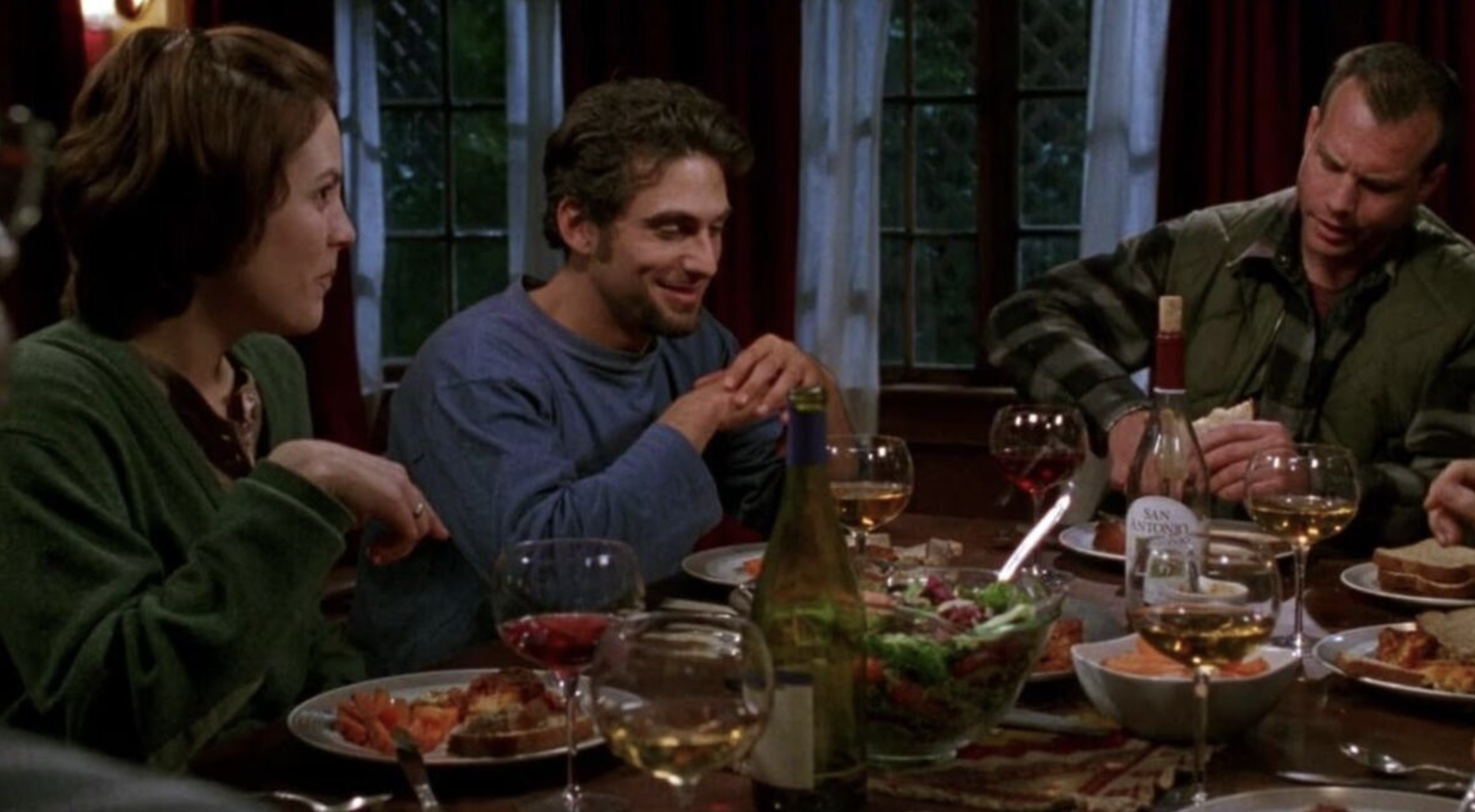
It’s the philosophical question that has baffled many a drunken college student. Hitler, bad. Murder, also bad. So, what do? If you’re a young, idealistic twenty-something, someone who identifies on the more liberal side, what’s the greater moral good? Stacy Title’s The Last Supper ties this conundrum to a set of train tracks and lets Marc (Jonathan Penner), Luke (Courtney B. Vance – who, fun fact, was the voice of Cobra Bubbles in Lilo & Stitch), Pete, Jude (Cameron Diaz), and Paulie (Annabeth Gish – ’cos having a “Mary” would be too on the nose) debate amongst themselves with deadly consequences. Because it turns out, spoilers, the answer is yes. They really want to kill Hitler. In the most humane way possible, of course.
On a dark and rainy night, when Pete’s car breaks down on the way to the gang’s distractingly beautiful four-bedroom home, he is helped by a gruff Bill Paxton. (His character’s name is Zachary Cody, but when you’re watching it, it’s like “Oh look, Bill Paxton’s in this”.) By way of thanking him, the gang invites him to break bread, something they apparently do regularly with strangers. In fact, once a week they have one person over for an evening of discussion. It’s here that the trouble starts, as the differences between them become more and more apparent: he’s a blue-collar worker; they are liberal arts master’s students. He’s a former veteran; they are staunch pacifists. He’s a conservative; they’re liberal. Soon, the evening escalates into a violent brawl – the gang’s first taste of blood.
That liberals call everyone they don’t agree with Hitler appears to have already been pastiche by 1995, and the film delights in playing with stereotypes. The naming conventions alone should be a hint to the level of subtlety at work here. The gang’s victims aren’t victims per se; they condemn themselves by their words: the homophobic reverend, the climate change denier, the chauvinistic pig. Paulie acts as the lone voice of reason until killing becomes really sexy. Jude, at first very pro-murder, gardens away her guilt. Luke becomes the worst thing he could be: a liberal, freshly scratched. Marc paints. Pete is there. But for performance, it has to be Ron Pearlman as conservative commentator and TV pundit Norman Arbuthnot, a proto Mike Walsh, or Ben Shapiro, or… Jesus, there’s so many of these; take your pick. It’s Pearlman’s Machiavellian centrism that ultimately brings the whole thing down, ending on a note that is truly scary, if only in how it mirrors the current hellscape we’re living through.
The Last Supper isn’t a horror like Carrie is a horror. Even the kills are relatively clean throughout, the usual corn syrup blood replaced with jars upon jars of tomato sauce (which at some points borders on surreal). The horror comes from how little has changed in the political conversation. What’s described as a dark comedy and psychological thriller becomes like an even more nightmarish Groundhog Day (depending on how you already view Groundhog Day). The film could potentially do with being pushed in one direction or the other: goofing it up more or playing it straighter, and there is a subplot about a missing girl that acts more as a plot device than adding anything overall. But on the whole, it’s an enjoyable watch. And at a genuinely missed runtime of 93 minutes, it could fit perfectly into a Halloween marathon viewing, should you want to build up to something truly hair-raising. If you’re in the mood for something a little more on the schlocky side this Halloween, The Last Supper could be for you. Maybe you too will stare into the abyss that is time and ponder, “Really? We’re still…really?”
If you liked The Last Supper, check out: The Menu (2022), Ready or Not (2019), Clue (1986).
5 - Hatching (2022)
Nordic horror is on another level: bleak, often brutal, uncanny, and primal. Finnish body horror Hatching ticks all those boxes, dipping in the gruesome fairy-tale sensibilities of the original Brothers Grimm stories, but instead of cutting off toes to make a shoe fit, a mutating and heavily drooling bird creature sheds its beak. Ivie Rusinova cracks open today’s entry and peers inside…
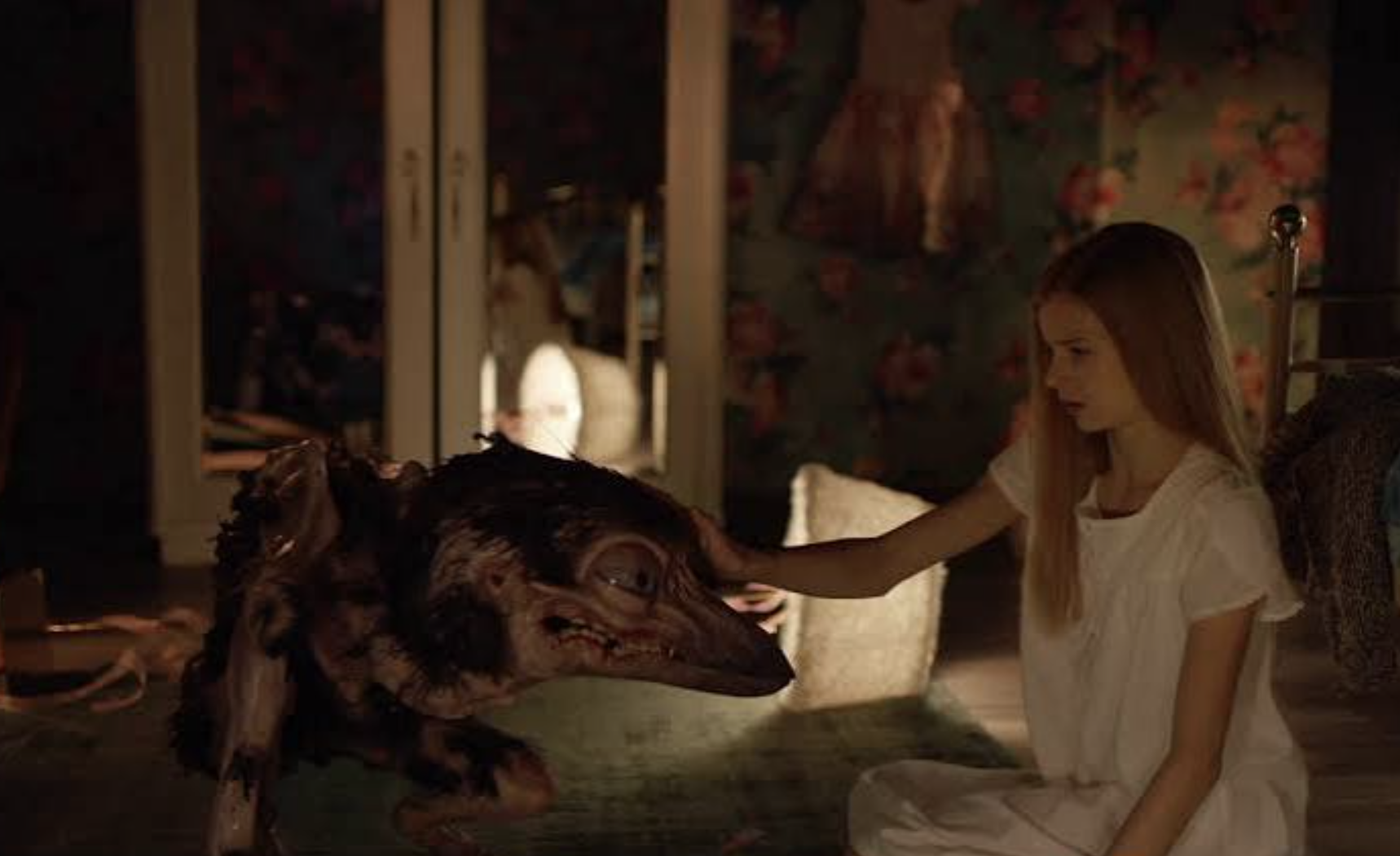
Once upon a time, in the sunny Finnish suburbs, there was a family living in a picturesque house. Their life seemed perfect as documented by the vlogging-obsessed mother – a compliant husband, a neglected younger son, and a promising gymnast daughter, Tinja, on whom the mother’s ambitions rest. The family’s carefully maintained façade begins to crack when a crow flies into the living room and the mother breaks its neck, leaving Tinja to deal with the body. Later that night, awakened by the loud bird cries, Tinja stumbles upon an egg. As her mother’s pressure mounts ahead of an upcoming gymnast competition and her grip on her own autonomy begins to slip, Tinja takes the egg to her room, hides it in the tummy of her ripped plush bear, and decides to hatch it. But the bigger her sorrows grow, the bigger the egg gets. What emerges from its cracked shells is a disfigured bird-like creature that gradually develops an unsettling, intertwined bond with Tinja, slowly morphing into a human-like form.
It’s the practical effects in the era dominated by heavy CGI that stand out, making the experience much more bizarre and gruesome. The creature was brought to life by animatronics designer Gustav Hoegen (credits include Star Wars sequels), with five puppeteers operating its body while Hoegen remotely controlled its facial expressions and fingers. For the creature’s human metamorphosis, special effects makeup artist Conor O’Sullivan takes over with increasingly elaborate prosthetics as the birdlike, feathery monstrosity makes way for a loose human skin, hanging from its skull. What makes the transformation so unnerving is how it taps into the uncanny valley: the more human the creature becomes, the creepier it gets, its familiar features just distorted enough to provoke genuine discomfort. Beyond the technical achievement, the creature becomes a physical manifestation of Tinja’s bottled-up emotions and desperate need for maternal approval, their increasingly disturbing bond blurring the line between affection and terror. By the end, their emotional parasitic relationship resembles a bit the one between Elliot and E.T., only if E.T. had a torn-open jaw, cheeks studded with teeth, and little to no desire to go home.
Visually, the film makes effective use of Dutch angles to disorient the viewer, while its POV shots pull you directly into the characters’ mounting dread. As a body horror, Hatching also knows how to get under your skin by engaging all the senses, from piercing, blood-curdling shrieks to spurts of blood, bouts of vomiting, and unnaturally long, birdlike nails. The practical effects make these moments all the more convincing, giving the film a distinctly physical quality that’s difficult to look away from, even when you might want to. It’s a real treat for body horror fans with strong stomachs, but for everyone else… go easy on the Halloween sweets beforehand.
If you liked Hatching, check out: Men (2022), Relic (2020), Uzumaki (2000).
6 - The Invitation (2015)
Speaking of food, Ronan Power takes a look at this slow-burning psychological horror that takes us into the exclusive world of the Hollywood Hills soirée, where wealth, privilege, and disturbing secrets hide behind closed doors…
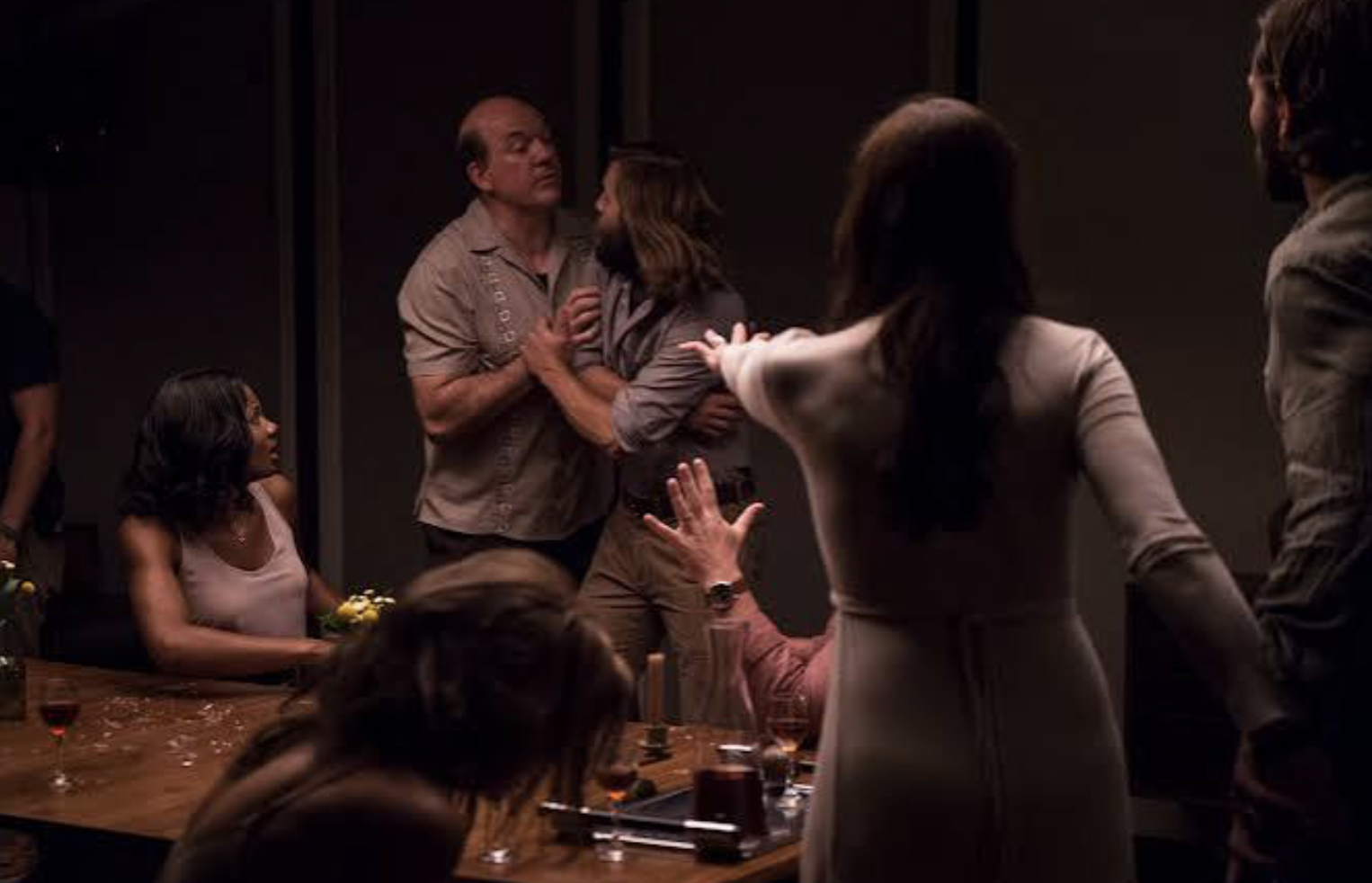
The Invitation follows Will and Kira, a young couple invited to a dinner party by Will’s ex-wife, Eden, whom he has neither seen nor heard from in over two years. The pair separated following the tragic death of their son, leaving behind a history of grief and unresolved emotions. So why has Eden suddenly invited Will back into her life? The answer is gradually revealed through a series of clever clues, particularly after we meet her new husband, David, and the other guests, some familiar to Will and others complete strangers.
From the outset, something feels wrong. On the drive to the house, Will accidentally hits a coyote and delivers a mercy killing using a tool from his car. It is an unsettling sequence that hints at the violence lurking beneath the surface.
Once inside, Will senses that something is not quite right. Eden appears delighted to see him, but her behaviour feels increasingly strange. David is equally suspicious, leaving Will wondering what exactly he has walked into. As he explores the house, memories of happier times mingle with disturbing flashbacks of Eden’s troubled past. The building itself becomes a character, its dark atmosphere and barred windows creating a growing sense of confinement. When Will sees David lock the front door and remove the keys, the house begins to feel less like a home and more like a prison.
The arrival of David’s friends only deepens the mystery. Sadie appears caught up in a world of drugs and free love, while the seemingly gentle Pruitt reveals a shocking history of violence. Gradually, the truth emerges: Eden, David, and their companions belong to a sinister new cult. Suddenly, the title makes perfect sense.
The film draws you into an atmosphere of mounting dread, carefully revealing its characters’ histories while keeping you guessing about their true intentions. The slow pace may test some viewers, but when the revelations arrive and the bloody violence erupts, the tension pays off. Trapped alongside Will and Kira, we experience their growing desperation as the evening descends into absolute chaos.
The performances are strong throughout, essential in holding the audience’s attention during this deliberately measured build-up. Almost everything unfolds around the house over a single night, allowing the claustrophobic atmosphere to tighten its grip.
Stick with it, suspend your disbelief, and experience events through Will’s increasingly terrified eyes. The Invitationdelivers a disturbing finale that will leave you questioning the characters’ motives long after the credits roll.
If you liked The Invitation, check out: The Gift (2015), Coherence (2013), Speak No Evil (2022).
7 - Buffet Infinity (2025)
A descent into a postmodern nightmare that’s both ingeniously biting and deeply unsettling, Buffet Infinity is a perfect example of what storytelling can be when freed from strict narrative confines. It won’t be everyone’s cup of tea, but for those willing to get lost in its eerie glow, it’s simply unforgettable. This is one eatery even Norman Bates would find weird…
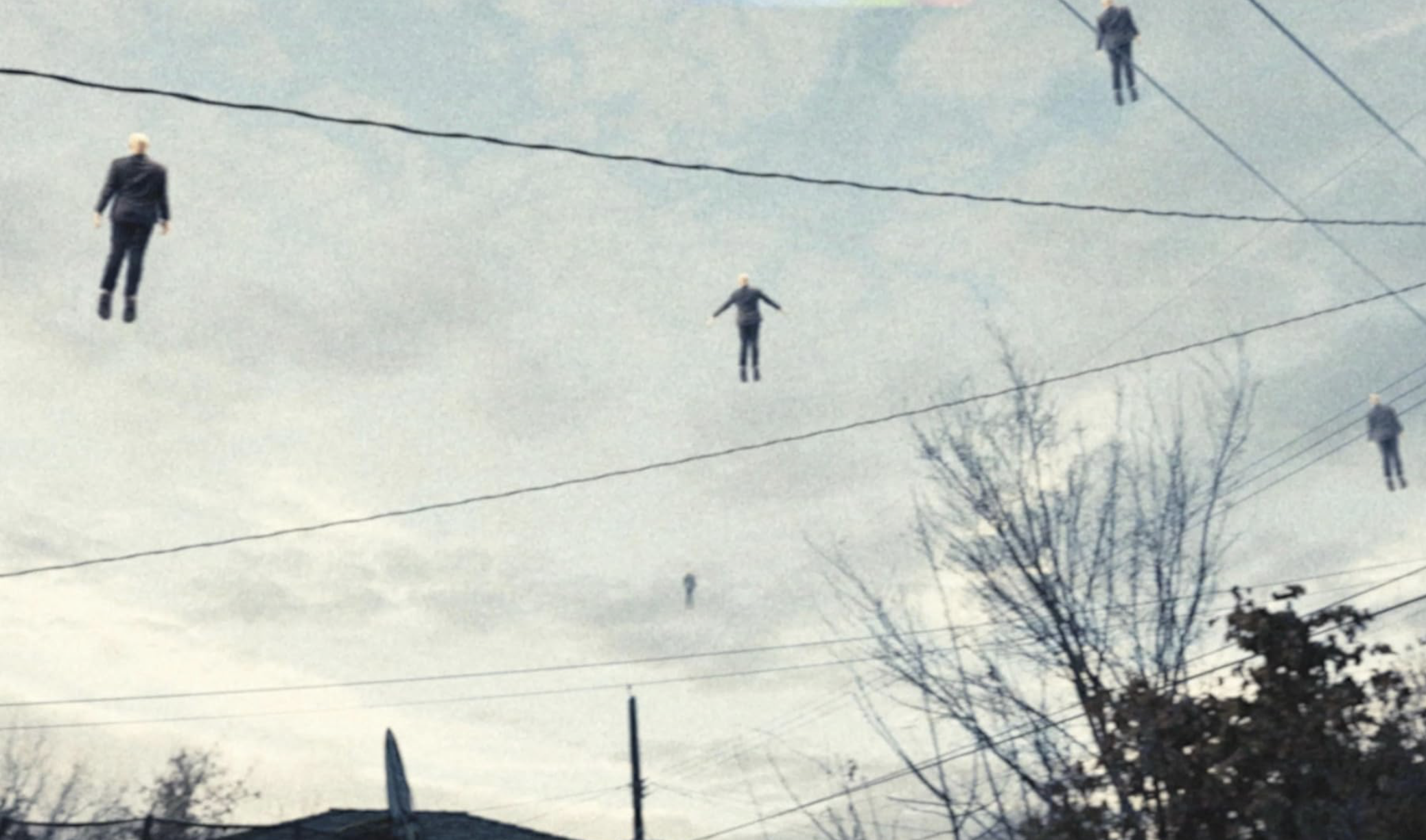
A new restaurant, the titular buffet, opens in a sleepy Canadian suburb. It boasts friendly service and a vast menu of ridiculously cheap food. At the same time, a sinkhole appears nearby, people start vanishing, and other local businesses fold at an alarming rate.
It’s an intriguing setup, like what we’ve seen before in anti-capitalist movies like Society and Lovecraftian liminal horror like Backrooms. But here’s the kicker – rather than spoon-feeding us a tidy “what’s in the basement” narrative, Buffet Infinity plays out via a non-stop series of adverts, with a few “breaking news” reports here and there for extra depth and flavour.
The format could’ve turned very smug very quickly. Instead, it transforms the viewing experience into something uniquely hypnotic. The sheer fucking AUDACITY of writer/director Simon Glassman to not only attempt this type of storytelling, but to succeed. There’s a brilliant method to his madness – jingles and characters gain new meanings with every return, turning what initially seems like pointless, mundane filler into a slow-burning road to cosmic hell.
Glassman clearly has a lot of fondness for the wonderful world of American public access television but isn’t above poking fun at its cheap-as-chips charm. He pulls off a balancing act – sharply satirical one moment, genuinely creepy the next. One moment you’re laughing at the surreal oddness, then something slips in under your skin and spooks the hell out of you. Random bursts of static and sudden glitches add to the unease. Off-key, synthy stock music accompanies uncanny, AI-lampooning imagery of items on an endlessly expanding menu (check out their website for the current list). It feels like channel hopping at 3 in the morning while you sweat out a fever.
If you need a main character to latch onto, you might feel a bit lost at the start, but don’t write off the people who keep popping up. Their looping stories, short as they are, build a picture of a community drowning in unreality, unable to fight what they don’t understand. The cast is great at playing it straight in the face of suffocating weirdness – the fate of the double-act inhabiting Ahmed's Pawn Shop in particular is both darkly hilarious and surprisingly touching.
By the time the movie hits its climax, things spiral into a techno-horror apocalypse. The playful TV narrative shatters and suddenly we’re faced with something terrifying hiding behind the static. The movie transitions – briefly, but disappointingly – into a more traditional format, and the ending is slightly overbaked; Ring-esque haunted videotape vibes mashed together with Lynchian weirdness and the uneasy future-shock of Black Mirror. Still, for all its genre-jumping and clever tricks, Buffet Infinity never completely spins off the rails. It keeps its heart, and its purpose.
If you’re not willing to buy into its quirks, it might leave you cold. But for the folks who go along for the ride, it’s one of the boldest, strangest horror movies in years. Buffet Infinity isn’t interested in safe, recycled scares. It wants to get under your skin, to mess with the stories you’re used to, and make you worry about how thin the line is between regular life and the weirdness hiding behind it. A bizarre, unforgettable experiment that dares you to keep watching, even when your gut says it’s late, turn the damn TV off.
If you liked Buffet Infinity, check out: Skinamarink (2022), We’re All Going to the World's Fair (2021), Man Finds Tape (2025).
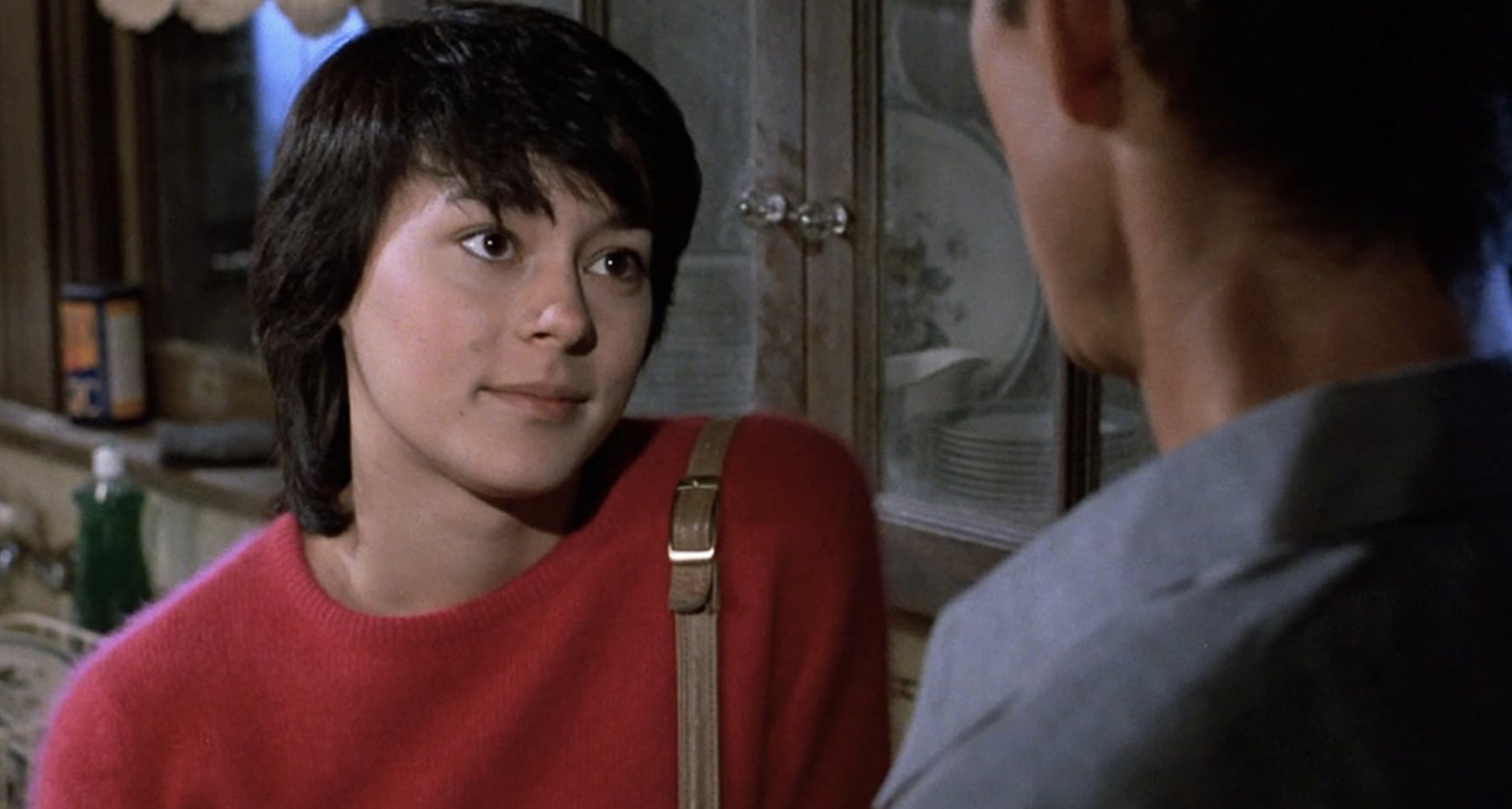
8 - Psycho II (1983)
If you’ve ever watched the original Psycho to the end and wondered what happens next, you’re one of very few. But if you’re willing to take the leap, Oscar Meagher argues, today’s Sequel Saturday pick has a hell of a lot going for it…
Psycho’s closing image of a grinning Norman Bates, now consumed by his other persona, seemed a definitive, if chilling, full stop. Moreover, any attempt at continuation would invariably draw ire as a kind of cinematic desecration, so why bother? That would be like making a sequel to Halloween or Jaws – absurd. The chief complaint dogging Psycho II is that it exists at all. This kind of cynicism is understandable, especially in 1983, at the height of the disreputable slasher boom. Without the guiding hand of a master like Hitchcock, any sequel would most likely kneel to tired genre tropes and cowardly attempts to exhume the director’s still-warm corpse.
Describing the plot would also further validate the film’s sceptics. Norman Bates (Anthony Perkins), having been judged not guilty by reason of insanity, is released back into mainstream society. Apparent “state budget cuts” impede his comfortable transition into public life and leave him vulnerable to bitter acquaintances and the many ghosts still occupying Bates Motel. You may be wondering why any doctor would allow Norman to live again in his late mother’s home, but he seems fine with it, and moving is such a hassle anyway.
Perkins is simply excellent, still the sympathetic Norman of Hitchcock’s film, but visibly aged and consumed by guilt and emotional fragility. You’re constantly on his side, even when his mental state comes back under scrutiny. The character is given moments of real tenderness, particularly in his scenes with Meg Tilly, whose presence is a ray of light in otherwise upsetting circumstances.
While it leaps through some hoops to justify its concept, Psycho II is ultimately a cut above its contemporaries, thanks in no small part to a cleverly subversive script by Tom Holland (not that one). In a decade famous for regurgitory sequels, nods towards the original’s iconography never substitute for advancement. Richard Franklin, director of the Hitchcock-inspired Road Games (1981), wisely honours the filmmaker’s style without being completely beholden to it. He crafts a genuinely compelling murder mystery that feels reminiscent of the master of suspense, but with a helping of 80s sleaze and post-Hays Code blood.
Psycho II may not be Psycho, but it ultimately succeeds for being more interested in Norman Bates as a character than an icon.
If you liked Psycho II, check out: Jaws 2 (1978), The Fly II (1989), Halloween II (1981).
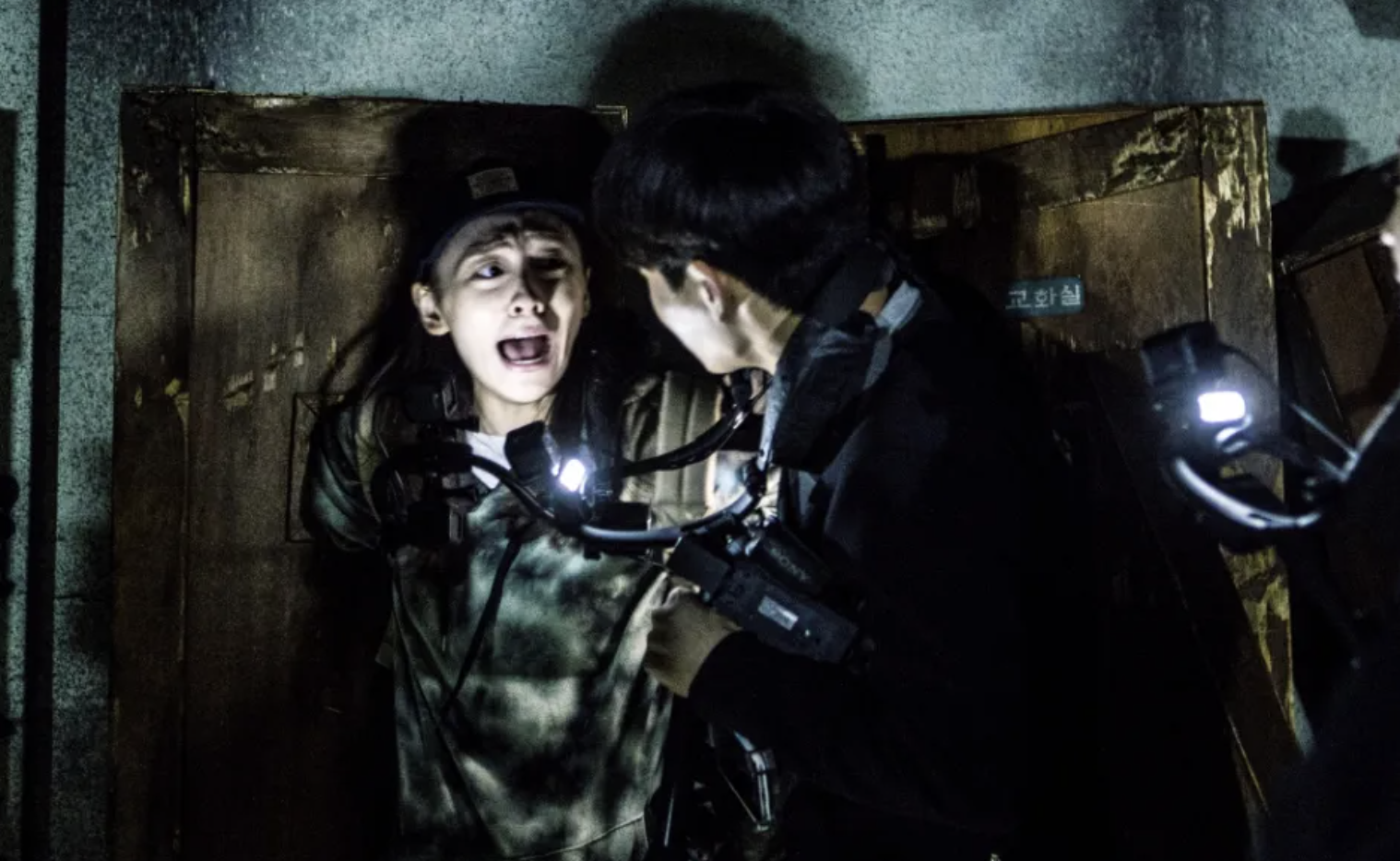
9 - Gonjiam: Haunted Asylum (2018)
Another ancient evil gets unleashed today. What do you get when you cross a gang of YouTubers with a haunted building steeped in bloody lore? If you answered ‘endless terror’, pat yourself on the back – Gonjiam is happy to provide that and more. Thomas Caffrey enters the asylum for this week’s Found Footage Friday…
This creepy South Korean found footage film finds a group of supernatural YouTube hoaxsters encountering real ghosts for the first (and, for many of them, final) time. Along for the ride are group leader Ha-joon (Ha-joon Wi) and his underlings, accompanied by Korean-American guest Charlotte (Charlotte Ye-won Moon). Over the course of a single night, the intrepid ghost hunters enter a haunted asylum (based on a real location), livestreaming their findings to an audience of thousands. A slow first act escalates quickly when an act of mock shamanism appears to invite the unquiet dead to torment the living.
Found footage can be hit-or-miss. As a horror subgenre, found footage really came to the fore in 1999 with the release of the enduring classic The Blair Witch Project, while Paranormal Activity later served as a supernatural shot in the arm, inspiring films such as V/H/S to continue the found footage wave. However, all of these films’ attempts at franchising provided diminishing returns (V/H/S least of all; subsequent instalments vary wildly in quality, with some exceeding the original). The latest in the Paranormal Activity franchise (Next of Kin) was released to awful reviews and was shunted directly to streaming.
Still, there are films of hope in the genre. This list has already mentioned As Above, So Below, which has garnered something of a cult following. To me, East Asian found footage is a particularly frightful space – in the subgenre of found footage horror, Koji Shiraishi’s Noroi: The Curse and Gonjiam stand supreme.
Gonjiam is especially effective. Like most good found footage, it effectively blurs the lines between reality and the film’s world; the YouTube video framing works eerily well. Meanwhile, the decision to cast the actors as effectively themselves (character names match those of the actors themselves) achieves a naturalistic feel to the dialogue.
More than anything, though, Gonjiam is terrifying because it is so committed to its scares. The build-up to the characters’ entry into the locked Room 402 is painfully tense, ratcheting up scares and bodies, always with the promise that something worse than death awaits those who yet draw breath. The ending does not disappoint: the haunted room is disgustingly oppressive. The brutality of the film bears mention, too. Most of these characters – with the exception of the more-or-less hateable Ha-joon – are innocent and even likeable. Gonjiam pays their personalities no mind, and these characters are variably possessed, hanged, brutalised, and tortured. Not for the faint of heart!
Gonjiam: Haunted Asylum is an essential found footage horror film, and perfect for Halloween viewing.
If you liked Gonjiam: Haunted Asylum, check out: Grave Encounters (2011), Infirmary (2026), and Unsane (2018).
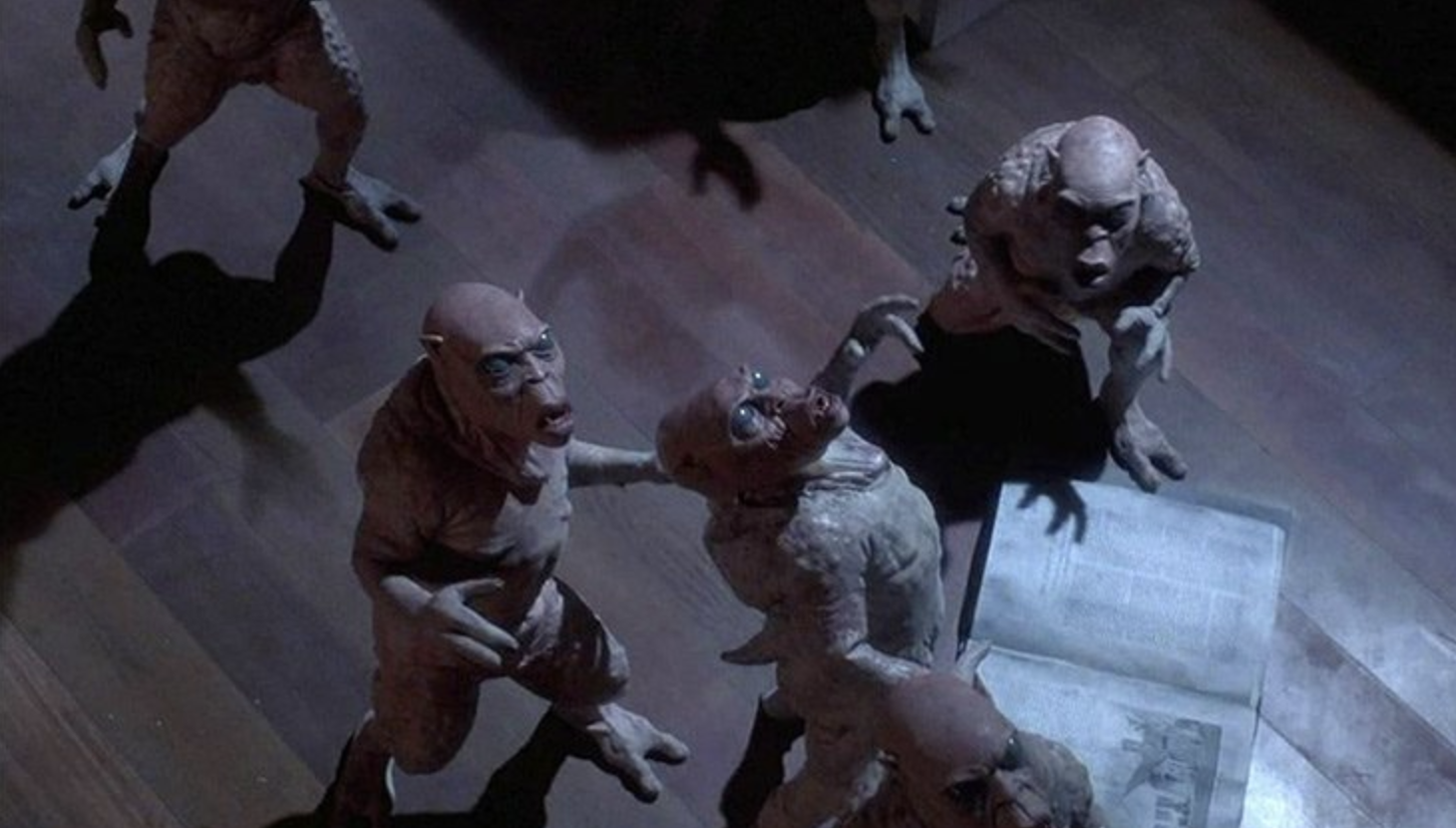
10 - The Gate (1987)
There’s plenty of demons inhabiting today’s pick, but the beauty of The Gate is that it understands suburbia can be more frightening than any haunted house when the guard rails are taken off. No crumbling castles, no misty graveyards, no undead aristocrats. Just a nice neighbourhood, a hole in the garden, two lads poking at something they very clearly should leave alone, and a long night where every safe corner turns dangerous. It’s Stephen King’s The Goonies, and it absolutely slaps.
Much like The Witches, this is one of those rare gateway horror movies that earns the label without feeling watered down. Glen (a very young Steven Dorff) is left at home with his older sister Al while their parents go away for the weekend. When a fallen tree exposes a cavernous hole with a strange geode at its bottom, a few lines read aloud from an ominous text by Glen and metalhead best friend Terry set off a chain reaction, and before long the house has become a supernatural assault course. Teen parties turn into séances, dead pets return in places they absolutely shouldn’t, and tiny demons pour out of the backyard like Minions gone feral.
What makes The Gate such a joy is how seriously it treats childhood fear without pretending children are perfect little angels. Glen and Terry are curious, daft, scared, stubborn, and occasionally annoying as hell. Little Stevie Dorff gives Glen a believable mix of fear and innocence. He’s just a kid trying to keep pace with events that keep getting stranger and meaner, not a mini action star cracking wise and kicking arse. The movie is also smart enough to let the adults stay mostly absent, giving the whole thing that thrilling, dreadful feeling of being stranded in your own home after dark.
The practical effects from Randall William Cook (who’d go on to Oscar-winning glory as part of The Lord of the Ringstrilogy’s effects team) are a huge part of the fun. The little creatures – sometimes stop-motion animation, sometimes costumed performers shrunken down with camera trickery – are gleefully horrible, and there’s a handmade look to them that suits the movie better than polished effects ever could. A few visual effects have dated (the climax’s giant demon, for one), but these rough edges add charm rather than taking the air out of it. ’80s horror often lives or dies on whether the monsters still have personality. These ones absolutely do.
For Halloween, The Gate is a perfect throwback pick. You get a house possessed by bad vibes, monsters bursting out the walls, and kids saving the day. It’s creepy, weird, funny, and just scruffy enough to feel charming rather than dated. A small-scale ’80s horror oddity with big personality and a mean little grin.
If you liked The Gate, check out: Trick or Treat (1986), Don’t Be Afraid of the Dark (2010), House (1985).
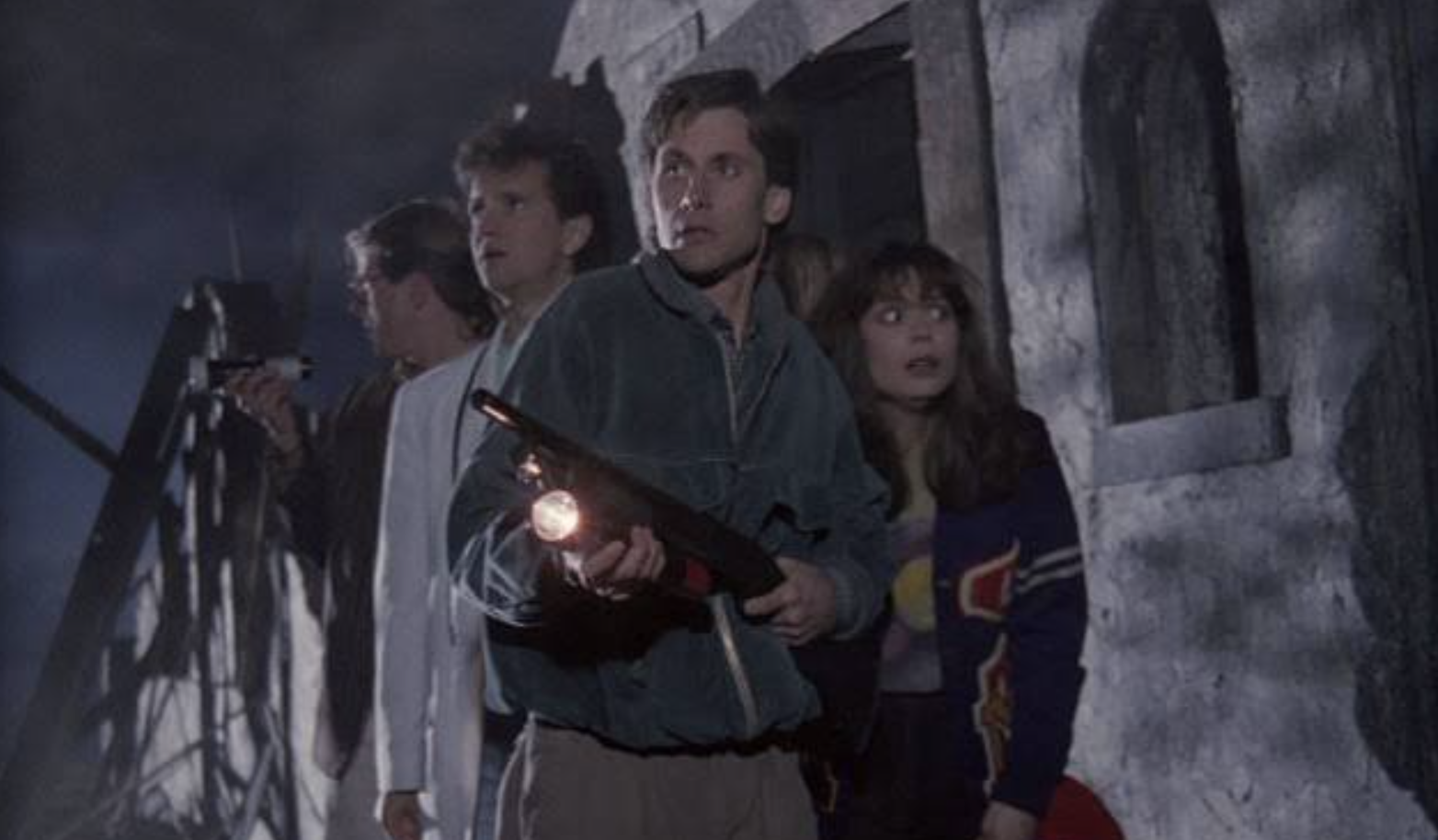
11 - Demon Wind (1989)
If you fancy some more horror/kung-fu hybrid hijinks, you ain’t seen nothing yet. Best strap yourself in for today’s pic…*
Demon Wind has a wonderfully loose relationship with good sense. The baddies bungle their attacks, the good guys might as well be asking to get possessed, and the supernatural rules feel made up on the fly. Elsewhere, there’s cheap fog soaking the sets, a creepy ruined farmhouse with a bafflingly untouched interior, and monster effects that swing between gross and almost falling apart. Everyone’s a bit stiff, and the main group of heroes is so generic it’s hard to care when they do… well, anything.
But trust me, all shortcomings and maladies disappear in a puff of fabulous smoke when The Astounding Chuck rolls onscreen, Ride of the Valkyries blasting out of his car’s stereo system, his hypeman Stacy waxing lyrical about “the wonderful world of illusion and fantasy”.
Two words. Karate Magician. Two more words. Holy shit.
Piqued your curiosity? Read more about the wild and messy world of Demon Wind in Gar O’Brien-Collins’ full review here. And don’t worry if combat-adept illusionists aren’t your bag – Charles Philip Moore’s 1990 oddity still gets plenty right when it counts.
If you liked Demon Wind, check out: Demons (1985), City of the Living Dead (1980), Wither (2012)
12 - Brotherhood of the Wolf (2001)
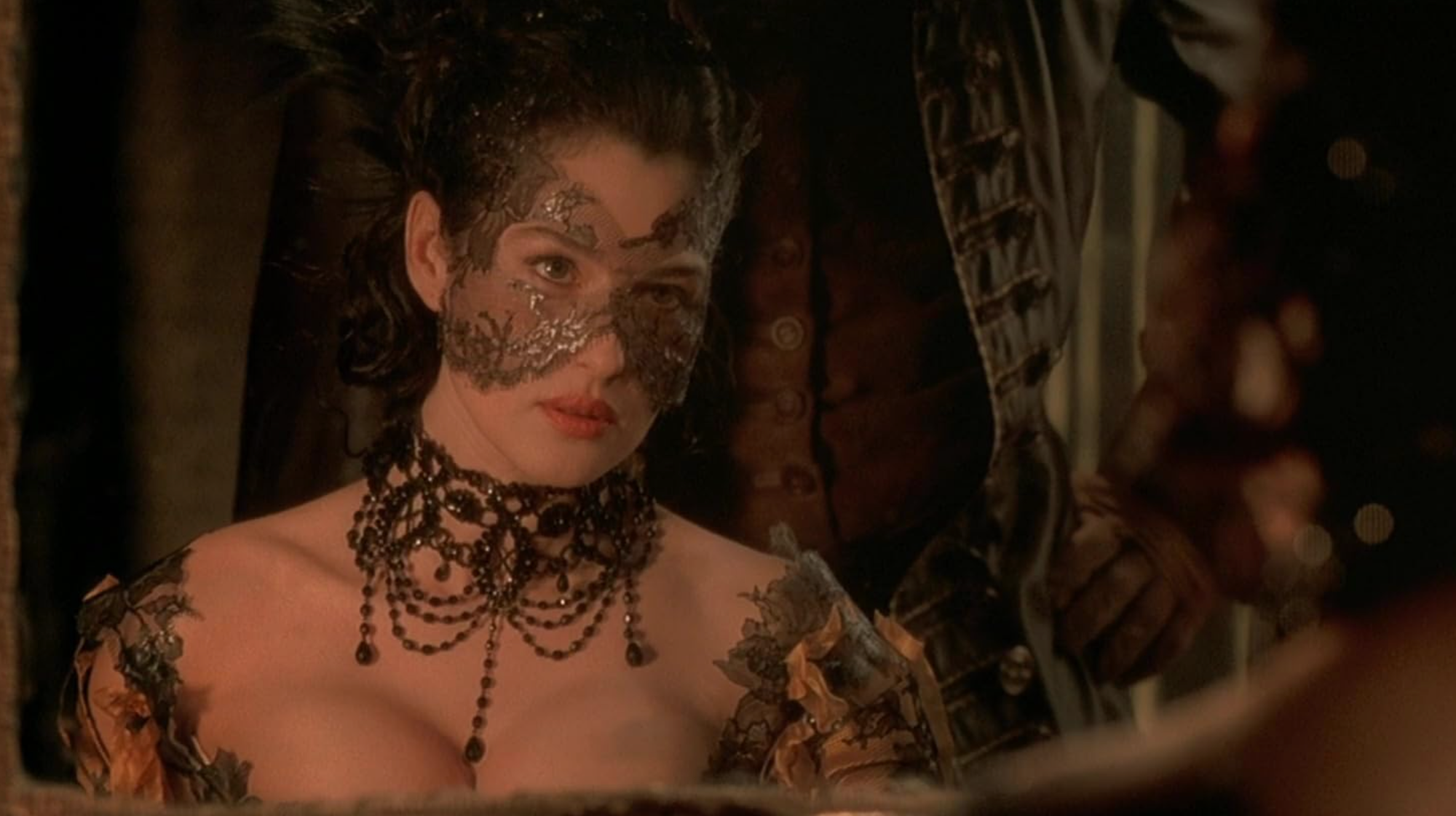
Brotherhood of the Wolf comes out swinging, a mashup of creature feature, period potboiler, and action movie, and has zero interest in following anybody’s formula. Director Christophe Gans grabs everything from powdered wigs to intricate weaponry, tosses in religious espionage and bare-knuckle brawls, and cooks it all into a full-blown Gothic horror. You’d expect this kind of mix to collapse under its own weight, but somehow it all clicks. It’s pure chaos – the best kind – for a spooky night in.
The plot kicks off in 18th-century France. Grégoire de Fronsac (Samuel Le Bihan) is a royal naturalist poking around a string of brutal countryside murders like a Gallic Sherlock Holmes. There’s a nasty beast out there, and nobody really knows what it is. Fronsac is accompanied by Mani (Mark Dacascos), his Iroquois friend and assistant, who brings a kind of quiet focus that cuts through all the stiff etiquette buzzing around them. They’re supposed to solve the mystery, but instead everything just gets messier once they start digging.
The movie looks fantastic. Interiors are warm and ornate, the woods cold and menacing. Fancy clothes, glittering salons, and candlelit bedchambers all highlight how obsessed this world is with appearances. But the violence outside? It’s ugly and feral. That clash makes the horror extra grim: death and suffering are something the privileged use as a topic for the banquet table, not something they experience.
Amongst a slew of character actors, including the always-fantastic Monica Bellucci as a mysterious and magnetic courtesan, it’s Dacascos who stands out. Mani’s calm makes his explosive fighting scenes land harder when he finally gets to kick les fesses. The scraps have a satisfying sense of impact, even when the choreography cheerfully abandons any historical accuracy – it’s more Matrix than The Duellists. Rain, mud, and heavy clothing become part of the movement rather than obstacles to it. Gans stages these sequences as full-blooded spectacle, letting the novelty of martial arts in a costume drama speak for itself.
When the mystery shifts from supernatural scares to human manipulation and cruelty, the real story becomes clear: who profits from fear, and who gets to decide what everyone believes? That question packs the film’s punch. Fronsac wants the truth to settle things, but he finds out that facts get shoved aside when they threaten powerful people. Fear moves faster than logic, the upper crust know how to use it to get what they want, and those running the show don’t want anyone digging too deep.
It’s a long movie, and yeah, it drags sometimes. A dreary romantic subplot between Fronsac and Marianne, the daughter of a local count, slows the hunt. One too many red herrings start piling up, and many big dramatic moments are dropped in with abandon. Elsewhere, the monster – a steampunk nightmare clad in iron teeth and tough hide – is creepy when it stays in the shadows, but when it finally steps into the light, some of the CGI shows its age, and the design loses a bit of its sting.
Regardless, all the excesses and rough edges are what make Brotherhood of the Wolf a hell of a lot of fun. Gans turns a traditional whodunnit into something massive and dazzling in scope. Yes, underneath all his extra flourishes, there’s a tighter, potentially better movie waiting to get out. But by the end, the world he’s built feels both epic and lived-in, in all the right ways. A fever dream of masked madams, dark woods, and kicks to the face, Brotherhood of the Wolf is a wild ride worth taking this Halloween.
If you liked Brotherhood of the Wolf, check out: Overlord (2018), Abigail (2024), Sleepy Hollow (1999).
13 - Orca, the Killer Whale (1977)
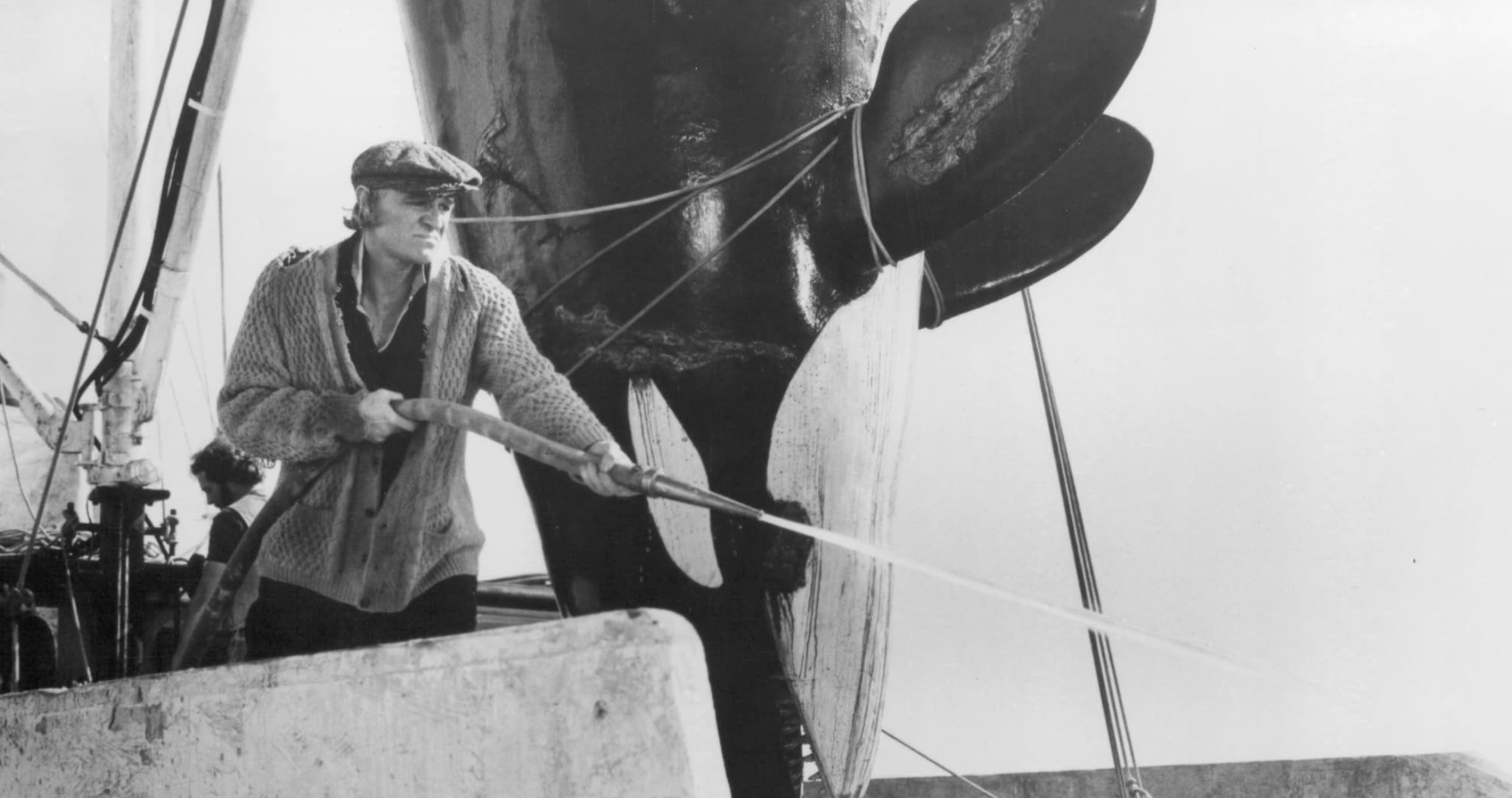
We’re sticking by the sea today, with a bona fide guilty pleasure. Michael Anderson’s Orca looked at Jaws and said, that’s fine, but what if the shark had a tragic backstory, a working knowledge of local infrastructure, and the emotional range of a Shakespearean widower? The 1977 aquatic revenge saga struggles in the wake of Spielberg’s blockbuster, obviously, but calling it a simple knock-off feels a bit unfair. This thing has its own strange, operatic likeability. It’s part creature feature, part eco-fable, part salty melodrama, and part ‘Richard Harris argues with a whale’ extravaganza. That’s cinema, baby.
Harris plays Captain Nolan, an Irish Canadian fisherman in Newfoundland who captures sea life to pay off his boat and get back home. While hunting a great white shark for an aquarium’s bounty, he witnesses an orca effortlessly turn the shark into fish food.
Naturally, Nolan decides the whale is the more valuable prize.
Naturally, it goes horribly wrong.
His attempt to capture one leaves a female orca dead, along with her unborn calf, while her mate watches on. The grieving male then begins a campaign of vengeance against Nolan, his boat, his crew, and eventually the whole harbour. If that sounds absurd, good news: it is. If that sounds oddly compelling, even better news: it is that too.
Orca works best when it commits to its ridiculous sincerity. The movie treats its whale like a wronged mythological figure, not a rubbery monster with a grudge. As Ennio Morricone’s score swells with full tragic grandeur, the orca doesn’t merely attack; it makes statements. It sinks boats, ruptures oil lines, and leaves its dead mate on the shore like an accusation. At one point, it appears to challenge Nolan to a staring match from the water. Honestly, fair play to it.
The human drama is a wee bit wobblier, though not without charm. Harris acts as if he’s in a much better, much heavier movie. Charlotte Rampling, as marine scientist Rachel Bedford, gets the thankless job of explaining whale psychology with a straight face while looking like she wandered in from a European art-house thriller. Bo Derek’s supporting role mostly exists so the movie can produce one of its most memorably nasty attacks, while Will Sampson brings quiet gravity as Jacob Umilak, though he falls back on dated ‘magical Native’ schtick towards the climax.
The science is nonsense. The romance barely floats. Some of the effects have the grace of a bathtub toy being yanked around by fishing wire. But there’s some real beauty and surprising complexity on offer too: the chilly Newfoundland landscapes, the melancholy sea, the pre-CG ambition of the action, and the boldness of giving the ‘monster’ the clearest moral claim in the story. An interesting plot nugget reveals that Nolan’s wife and child were victims of a drunk driver. While his grief has made him jaded and selfish, the orca’s makes it focused. Nature is not presented as set dressing for human drama, but as something with memory, anger, and drive.
For a Halloween watch, Orca is a strange little treasure. It’s too earnest to mock without guilt, and too silly to praise without smirking. Beneath the pulpy carnage sits a surprisingly mournful revenge tragedy. The whale may not behave like any real orca, but as a horror villain? It's got motive, moral standing, and more flair than Freddy, Jason and Michael Myers combined.
If you liked Orca, check out: Cruel Jaws (1995), Grizzly (1976), and Killer Whale (2026).
14 - The Witches (1990)
Today’s pick has a femme fatale just as memorable as Regine, and arguably scarier despite being aimed at a younger audience. Nicolas Roeg’s The Witches makes modern family fare look like it’s been covered in bubble wrap and had all its sharp edges sanded down. It takes Roald Dahl’s deliciously twisted source material and refuses to sanitise it, resulting in a gloriously cruel, endlessly enjoyable “starter horror” for kids.
The movie follows young Luke, an orphan taken in by his formidable but loving grandmother Helga. Granny teaches him how to spot witches: bald heads hidden beneath wigs, gloved claws, square feet, and a hatred of children so intense the mere smell of them defiles their nostrils. A hotel-by-the-sea break on doctor’s orders takes a sharp turn when Luke stumbles into a ballroom hosting a respectable all-women charity group. Naturally, they’re all witches in disguise, holding an annual conference. The agenda? A plan to turn every child in England into a mouse by hiding a nefarious potion in the nation’s chocolate supply. You can say what you like about witches, but they do have admirable ambition.
What makes The Witches so effective, even now, is how little it sugarcoats childhood. As always, Dahl’s world is magical but brutal. Parents die suddenly. Adults in positions of authority don’t – or can’t – always help. Nice women with sweets might be monsters. Roeg, best known for far thornier adult work like the terrifying Don’t Look Now, never softens the nastiness. He shoots the hotel like it belongs in The Shining, and his camera has a nasty habit of getting too close, making normal grown-up faces look uncanny and threatening.
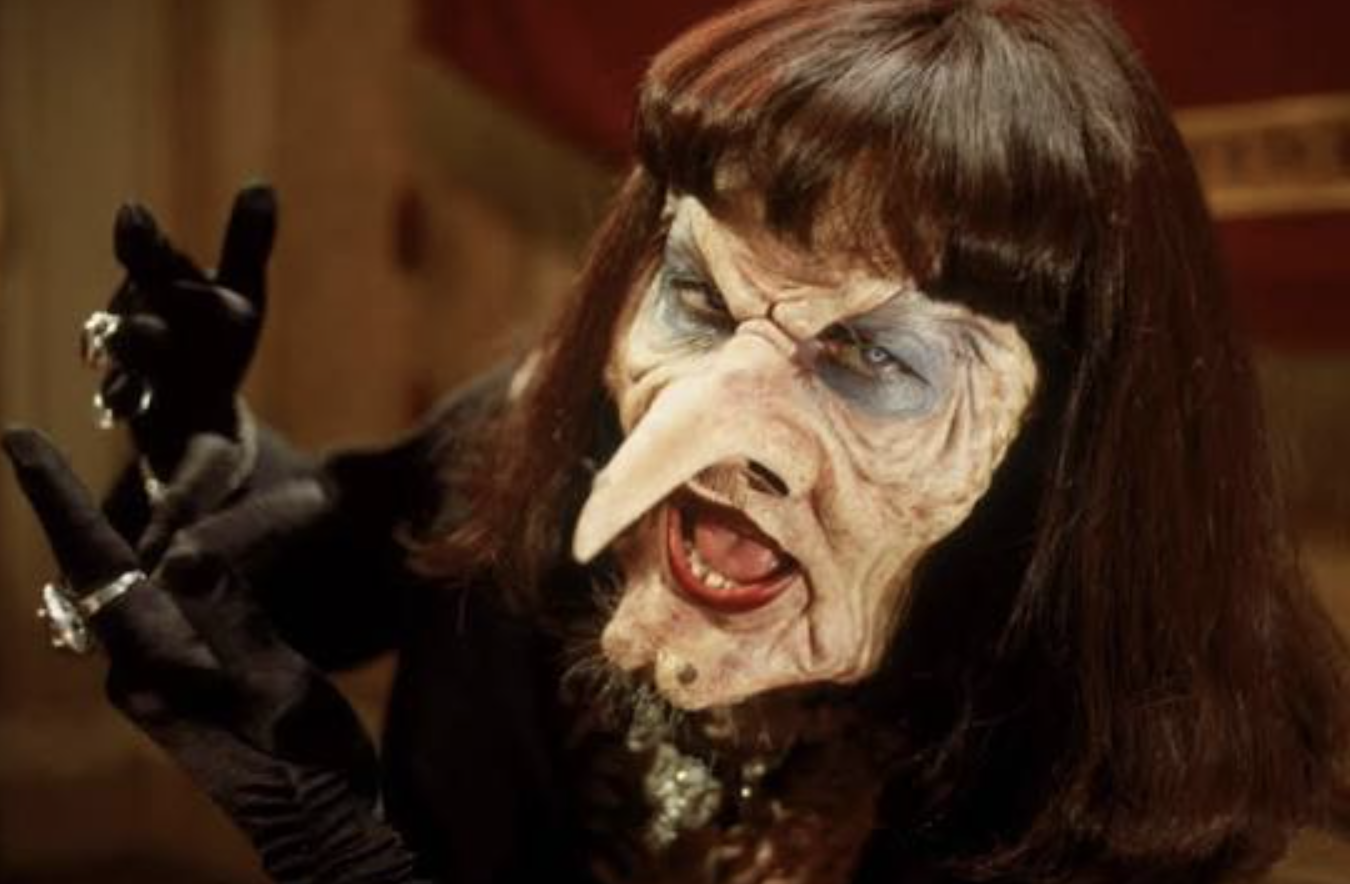
Jasen Fisher and Mai Zettering are a loveable, natural double-act as Luke and Helga, and Rowan Atkinson pops up with an inspired performance as the hotel’s manager (think Basil Fawlty by way of Edmund Blackadder). But let’s face it – this is the Anjelica Huston show. As the Grand High Witch, she gives one of the great “children’s nightmare fuel” performances, standing square toe to toe with Chitty Chitty Bang Bang’s Child Catcher and Return of Oz’s Wheelers. She’s glamorous, theatrical, venomous, and simply having a smashing time ruining every child’s day. Her accent wanders around Europe with no fixed address, but that only adds to her creepy, mysterious charm. When she peels away her human disguise, Jim Henson Creature Shop’s handiwork will make your stomach do a backflip. The design is grotesque in the best practical-effects tradition, all stretched skin, jutting teeth, pointy shoulders, and nightmare beak. It’s hideous. It’s funny. It’s absolutely not something you expect to see in a PG movie.
The movie has a few flaws, though most can be dismissed as being limited by both the relatively small budget and the trappings of early ’90s cinema (some of the effects have aged, for example, but their wobbliness carries its own scrappy charm). One, however, is borderline unforgivable. In his one deviation from the source material, Roeg softens Dahl’s far bleaker conclusion. You were so close, Nic! It feels like a nervous studio exec tiptoeing in with a blankie – Luke’s fate is sweet, but it dismisses the story’s sharper moral: that love is not dependent on appearances. Dahl reportedly hated the change, and his ire is justified.
Still, The Witches is a Halloween gem for anyone who wants creepy fun without jumping straight into grown-up horror. It’s got a sharp script, cheerfully nasty practical effects, and one Ms Huston chowing down on the scenery as a villain who treats murderous plotting like a motivational TED Talk. Best of all, it respects kids enough to scare them properly, something both rare and brave in family cinema, even today.
If you liked The Witches, check out: Hocus Pocus (1993), The Secret of Nimh (1982), and Nightbooks (2021).
15 - Fright Night Part II (1988)
More supernatural denial being blown apart today for Sequel Saturday, and Fright Night Part II knows exactly what sort of film it wants to be. It’s sexy, silly, stylish, a bit gory, and extremely committed to the idea that vampires should have better wardrobes than everyone else.
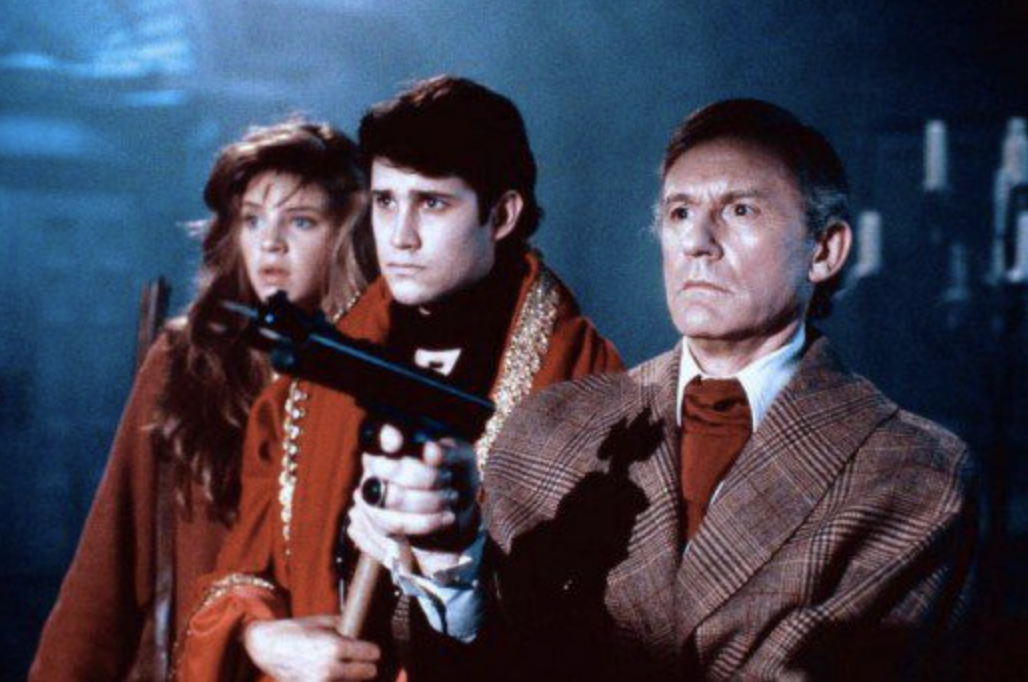
Three years after bloodsucker in a snazzy pullover Jerry Dandrige made the neighbours nervous in Fright Night, William Ragsdale’s Charley Brewster is now a college student in therapy. He’s busily shrugging off his vampire encounter as “just” a serial killer misunderstanding. His old ally Peter Vincent (another wonderful turn from Roddy McDowall) is back on late-night TV, while Charley’s new girlfriend Alex (Traci Lind) backs up his rebranded memories with welcome scepticism. Then Regine arrives, along with her strange little entourage: bug-munching ghoul Bozworth, wisecracking werewolf Louie, and fierce, fabulous vampire Belle. Regine is Jerry’s sister, and she’s got revenge on her mind.
Director Tommy Lee Wallace isn’t satisfied with serving up a repeat of Tom Holland’s well-received original. Instead, he shifts the original’s Rear Window-esque suburban paranoia to the glossier, more nocturnal world of never-ending arthouse parties. The result has fewer surprises than its predecessor, but it’s often more fun. Charley’s denial gives the film a neat little hook: what if surviving horror makes you so desperate to be normal that you inadvertently become easier prey? The movie also has fun with the idea that institutions and doctors are hopelessly ill-equipped for the supernatural, and in a neat little twist, Peter Vincent becomes the only adult with agency in the room, even when everyone treats him like a relic.
Ragsdale, Lind, and McDowall put in a decent shift, but the villains are having all the fun. Taking a cue from her director, Julie Carmen doesn’t play Regine as a carbon copy of Jerry. While she shares her brother’s aloofness and perpetual amusement at how easy humans are to steer, she’s a colder, smarter predator, using subtle psychological manipulation rather than just brute-force stalking. Her gang is an absolute blast, too. Bozworth is suitably nasty, chomping insects like Tic Tacs, and character actor Jon Gries is a brilliantly twitchy Louie (fun fact – Gries also played a werewolf in the brilliant tween horror The Monster Squad). Belle, meanwhile, is a fucking fever dream on legs. Is there anything more 80s than an androgynous roller-skating vampire who looks like a founding member of Prince & The Revolution?
For Halloween viewing, Fright Night Part 2 fits beautifully. It has moonlit murder, cabaret vampires, and rubbery bat-monsters. Not as sharp as the original, but charmingly offbeat and rich in nonsense. Exactly the sort of sequel that earns its place this month by being a little unruly and a lot of fun.
If you liked Fright Night Part II, check out: Vamp (1986), Once Bitten (1985), Innocent Blood (1992).
16 - As Above, So Below (2018)
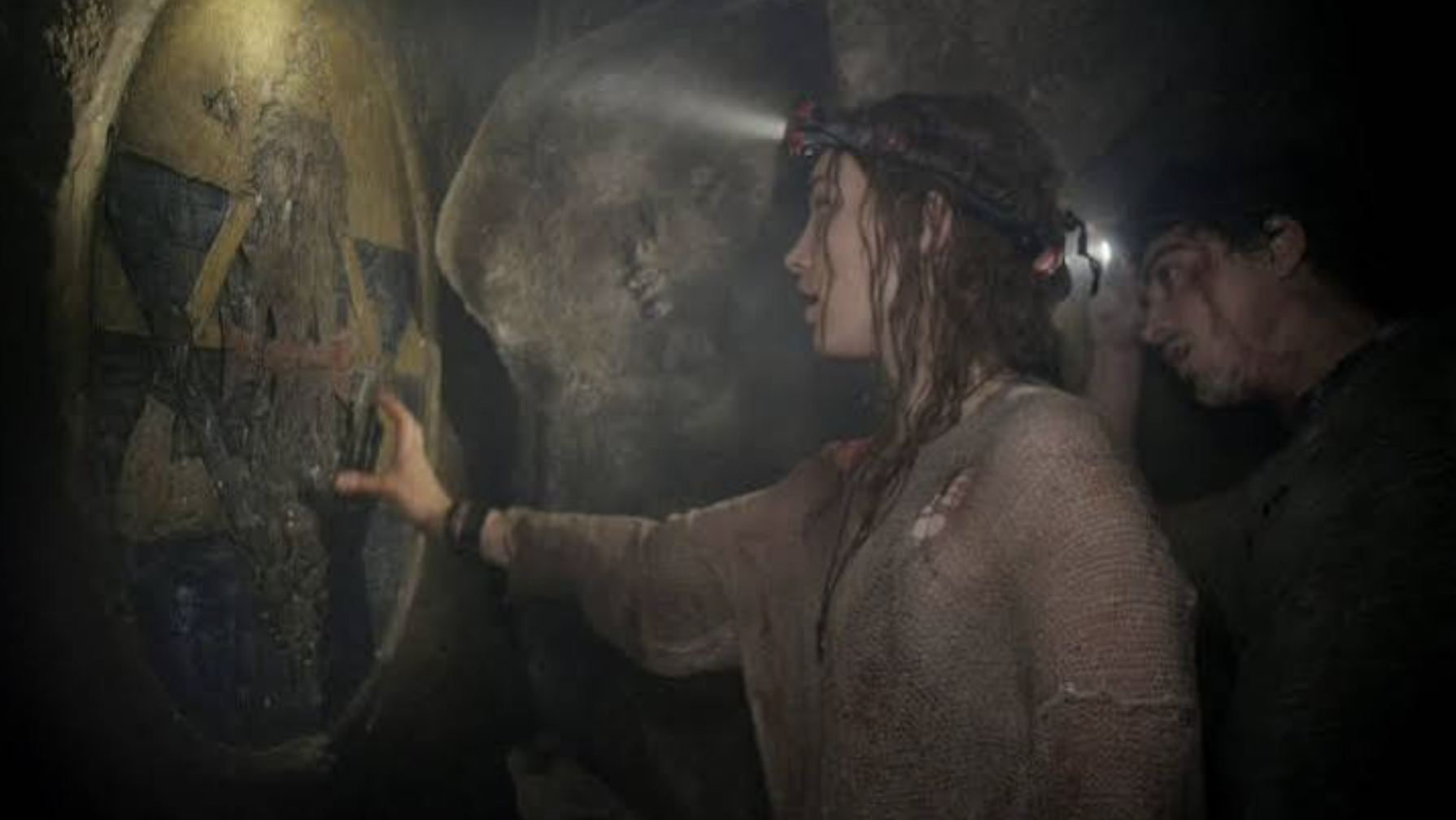
Paris has its fair share of romantic sights, but six million dead people and a one-way ticket to hell? Not so much. Carmen Bryce heads underground for Found Footage Friday to explore As Above, So Below – a claustrophobic descent into occult chaos, ancient mysteries, and the question of why anyone would keep going down there…
Who knew a trip to Paris could be so terrifying without involving Ryanair or an overpriced croissant?
As Above, So Below (2014) blends all the dark bits of Indiana Jones with The Descent, embodying the phrase: “WHY THE HELL ARE YOU STILL GOING DOWN THERE?!”
A group of young explorers take a trip into the Parisian catacombs looking for the Philosopher’s Stone, because apparently wandering through tunnels filled with the remains of six million dead people wasn't enough of a red flag. Directed by John Erick Dowdle and co-written with his brother Drew Dowdle, the film combines the shaky, release-era trend of found-footage horror with occult mystery and psychological terror. What initially appears to be a relatively straightforward expedition into forbidden tunnels spirals into the stuff of nightmares. There is something inherently fascinating and horrifyingly claustrophobic about the idea that beneath the sophisticated streets of Paris lies an entirely different and unwelcoming world.
The film was pretty much panned by critics on its release but built a cult following after, earning a reputation as one of the more imaginative and unfairly overlooked horror films of the 2010s. One of the film's greatest strengths is the way it slowly explores its setting before fully revealing the horror. The narrow passages, underground chambers, walls of bones, and endless tunnels build a tense atmosphere. The catacombs have such a physical presence that they are ‘creature’ enough before the actual creatures show up. Sometimes the mere possibility of becoming trapped somewhere, especially if you’re even a teeny bit claustrophobic, is more frightening than anything demonic mooching around in the darkness.
The found footage adds fuel to this disorientating, frantic feeling. Although yes, the technique had become somewhat overused by the time the film was released, the tunnel vision keeps the tension building.
What elevates As Above, So Below is the mystery driving the story. Instead of introducing a group of people into a haunted house and waiting for terrible things to happen, we have layers of archaeological mystery, mythology, human guilt, and personal trauma. This may not be examined with a lot of depth, but it does so in a visually intriguing and narratively engaging way. Beneath the scares are ideas about guilt and redemption, giving the film a very human and unexpected emotional dimension that works on several levels – a tense underground survival story, a supernatural mystery, and a symbolic journey into the darker aspects of human experience.
Perhaps the film’s greatest achievement is that it never loses sight of the importance of being entertaining. For all its profound (or geeky) themes, like symbolism and philosophy, the film is a fast-moving, frightening adventure.
I’m not sure why the critics disliked it so much. Those who love As Above, So Below would argue that it’s one of the most underrated and original found-footage horror films of its era, much like the cult following for the director’s indie sensation The Poughkeepsie Tapes. Just don’t watch it if you’re claustrophobic, or perhaps, do watch and enjoy the slow descent into the darkness.
If you liked As Above, So Below, check out: The Devil’s Doorway (2018), Banshee Chapter (2013), The Deep House (2021).
17 - TerrorVision (1986)
Today’s “beast” might lack the metaphorical sophistication of The Severed Sun’s, but who cares when it has that many teeth? Oscar Meagher takes a look at a prime slice of 80s creature-feature chaos…
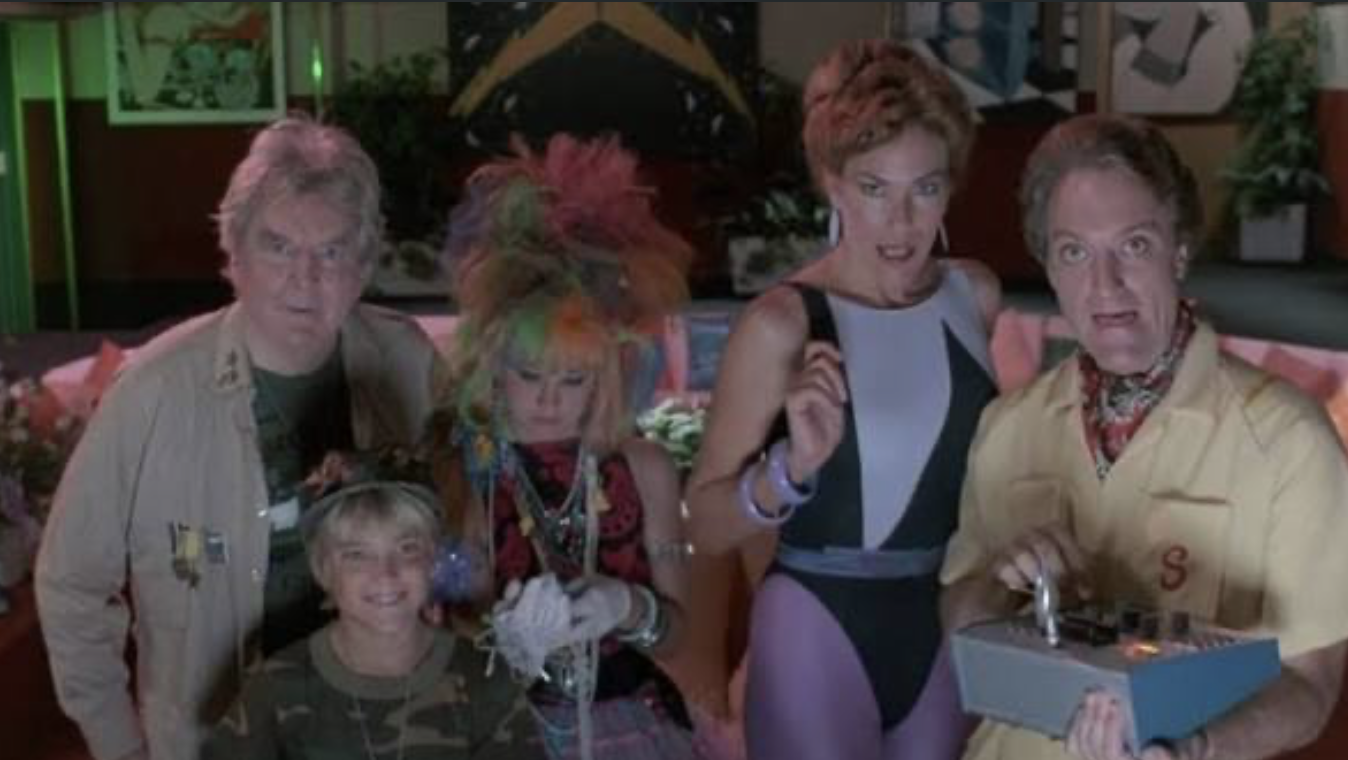
It won’t take long to find out whether TerrorVision is your kind of film. After the first five minutes of slimy aliens, overacting, and kinky sex talk, sticklers for vérité might consider wasting their time elsewhere. To anyone left, however, I say good riddance!
TerrorVision is best described as a midnight movie for the MTV generation. It’s the kind of thing you may have watched late one night as an unsupervised child and spent the rest of your life wondering if you’d dreamt it.
You didn’t.
The plot? Well, an intergalactic space alien gets accidentally beamed through an Earth-bound satellite dish, giving it the power to jump between television screens and eat people. If you’re willing to go with that, no further explanation should be necessary.
The monster itself, a creation of the late John Carl Buechler, is definitely TerrorVision’s most noteworthy offering. It’s 70% tentacles, the rest being just eyes and teeth. Even more impressive is how at home it feels alongside the film’s other performances, with everyone acting as if their only instruction was to chew the Playboy Mansion-esque scenery. Genre fans might recognise some of the faces here, like Mary Woronov and Gerrit Graham, playing a couple of out-and-proud swinging parents. Then there’s Diane Franklin as their Cyndi Lauper-cosplaying daughter and Jon Gries as her rocker boyfriend O.D. – Christian name, I assume.
At no point does the film posture as scary; it’s having far too much fun for that. Rather, TerrorVision seems more focused on testing what it can get away with. It’s as if everyone on set was given free rein to do whatever they wanted, like no idea was off the table, however stupid. As a viewer, it’s better to throw your hands up rather than get too emotionally invested. You quickly learn to accept anything – like everyone on Earth could die, but who cares? The monster isn’t frightening; it looks cool, and that’s more important.
If you liked TerrorVision, check out: Night of the Creeps (1986), Stay Tuned (1992), Psycho Goreman (2020).
18 - The Severed Sun (2024)
Another folksy one today, and at first a congregation led by period stalwart Toby Stephens sounds like a ruddy good time. Then the sermons start obsessing over what women wear, say, and do, and the woods seem to develop their own appetite for abusive men. Dean Puckett’s The Severed Sun offers up an uncomfortable little life truth: when a community’s moral compass is beyond repair, maybe the monster lurking outside doesn’t look so monstrous after all.
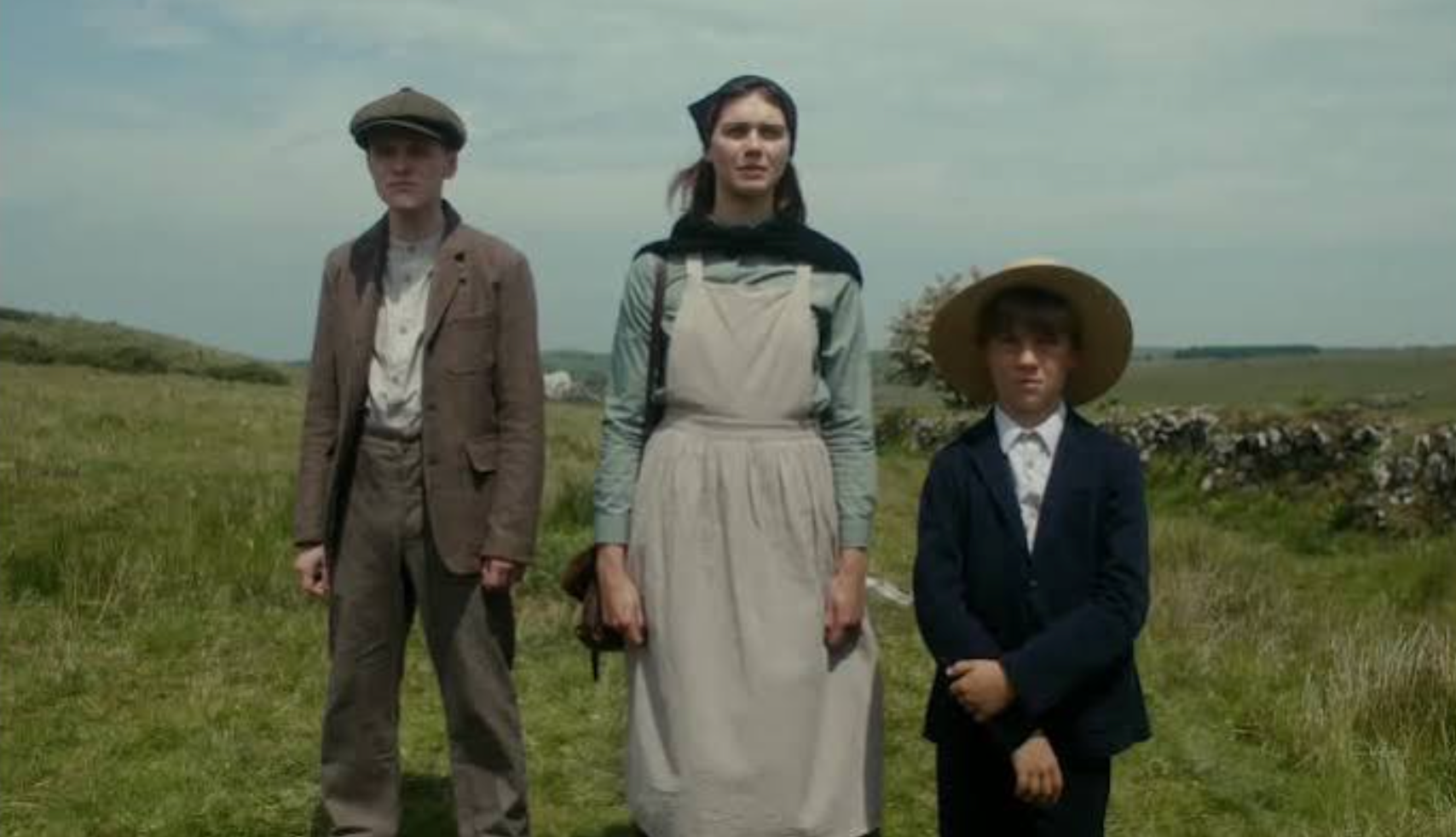
Set in a post-apocalyptic near-future, Stephens plays the pastor of a remote, rural religious enclave, where blind obedience passes for virtue and men can pretty much get away with anything if they know their scripture. His daughter, Magpie (Emma Appleton), is stuck in an abusive marriage… until she isn’t. She kills her husband, inadvertently waking up something hungry in the forest. You can probably guess what follows – the villagers opt to blame a woman for the monster’s wrath, rather than take a hard look at their own rotten ways. Old habits die hard, I guess.
Puckett knows his folk horror, but The Severed Sun comes with added political edge. The village clings to ancient customs as if history holds all the answers, but the scarred landscape hints that they might’ve cobbled their religion together out of sheer nostalgia for the bad old days before the bombs dropped. There’s also an intriguing uncertainty – did they inherit this mess of a world, or recreate it from scratch? Either way, it feels unsettlingly familiar; yesterday’s bigotry packaged as tomorrow’s salvation.
Emma Appleton grounds it all. Her performance refuses melodrama, offering instead a taut, brittle portrait of a woman balanced on the edge, then pushed off it. Her Magpie is always watching – she’s learned exactly when to stay silent, when to bow her head, and when things are about to go wrong. Appleton builds her righteous fury in tiny increments, and when she finally fights back, you’ll punch the air. Stephens, meanwhile, brings the same regal magnetism he built his career on, ruling over everything with a heavy but seemingly fair hand – the kind of father and pastor who can twist rebellion into a betrayal of both family and faith.
The film cuts deepest when it looks at how the machine keeps running. Scapegoating only works if people play along, including the women propping up a system that gives them almost nothing. Magpie’s ordeal shows just how easily belonging can turn into a weapon – stay in line or help punish someone else. And then the monster (named ‘The Beast’ by the community) shows up, and the arrangement is flipped – suddenly, the village’s men get a taste of the wickedness they love to decry and punish. The setting does a hell of a lot of work, too. Mossy ruins, misty woods, and decaying buildings give the film a lush, rain-soaked atmosphere. There’s something deeply satisfying about a movie that doesn’t have to wait for nightfall to get under your skin – the 1960s and 70s were lousy with them, but they seem few and far between in today’s horror landscape.
There are a few hiccups along the way – if you’ve seen slow-burn folk horror before, you know the drill – the middle sags a little, conflicts circle around, and a few side characters feel undercooked. Sometimes, when the movie gets too smug or abstract, it shuts us out instead of drawing us in.
Still, The Severed Sun hangs onto its bite. The story drives home the cost of trying to claim autonomy in an oppressive community – liberating and tragic in equal measure; there’s no fluffy redemption waiting at the end. It’s a bold, prickly choice for a cold autumn evening, leaving you thinking about what you’d defend, what you’d excuse, and how easily it can be to mistake submission for safety.
If you liked The Severed Sun, check out: The Devil’s Bath (2024), Hagazussa (2017), Alucarda (1977).

19 - You Won’t Be Alone (2022)
Mr Frost’s (mostly) voiceless performance is joined by the subject of today’s entry. Eabha Leech looks at the eerie little marvel that defies the folk-horror trappings – get lost in the strange, sad territory of You Won’t Be Alone...
Classified as a folk-horror film, Goran Stolevski's You Won't Be Alone has its fair share of witches, grotesque bodily transformations, and bloodshed. But this film's horror lies not in witchcraft itself, but instead in the cruelty of human life. If you're looking for a traditional gory horror flick, I'm afraid this film is not for you, but you may end up enamoured with it if you give it a chance, thanks to its wonderfully poetic narration and Sara Klimoska's deeply affecting performance.
The story begins in 19th-century Macedonia, where Nevena, a mute young woman, is transformed into a witch by the terrifying and disfigured Old Maid Maria. After 16 years of isolation in a cave, Nevena begins inhabiting other people's bodies to experience human life from within. Through each of these transformations, she discovers that humanity is simultaneously beautiful and brutal. As she inhabits the bodies of different women, she experiences abuse, violence, and control at the hands of men, while also forming meaningful connections with other women. It is both tender and heartbreaking to watch Nevena discover womanhood and the restrictions imposed on women. Only when she inhabits a man's body does she fully recognise these inequalities and experience the freedom that comes with living as a man. You Won't Be Alone suggests that witches are not inherently evil but are instead feared and ostracised women who defy patriarchal expectations.
Along Nevena's journey, Old Maid Maria reappears to taunt and torment her for living life disguised as a human rather than embracing her true nature as a witch. It is only towards the end of the film that the reasons behind Maria's relentless harassment are finally revealed. The discovery of Old Maid Maria's past adds a compelling dimension to her character, casting her earlier cruelty in an entirely different light.
Watching this film is an almost sensory experience (especially if you like ASMR). The poetic narration, combined with the rural landscape, creates a flowing, hypnotic atmosphere, with occasional interruptions of visceral body-horror scenes. Nevena exudes an extraordinary childlike wonder and tenderness as she learns how to feel emotions and experience what a mother's love really feels like. The film's narration is profoundly moving, expressing tender feelings in ways that feel entirely unfamiliar. The meditative pace of this film may not be for everyone, but it helps to spark an array of emotions within viewers.
Ultimately, You Won't Be Alone is a delicate yet haunting exploration of womanhood, existence, and humanity, interspersed with disturbing imagery. With its mesmerising setting, eerie atmosphere, and fearless dissection of love, death, birth, and suffering, Goran Stolevski creates a poignant and unflinching folk-horror fairy tale. For those looking for something slightly different this Halloween, You Won't Be Alone is a perfect choice for viewers who prefer slow-burning, atmospheric horror films over cheap jump scares and predictable formulas. With dreamlike imagery, folkloric charm, and occasional unsettling body horror, this film will linger in your mind long after the credits roll.
If you liked You Won’t Be Alone, check out: The Vourdalak (2023), Gretel & Hansel (2020), and Lamb (2021).
20 - Mister Frost (1990)
Fancy another interesting spin on a classic baddie? You’re in luck: Mister Frost will be arriving presently. Don’t worry, he won’t announce himself with a puff of smoke or a spray of blood. He’ll just stroll in, perfectly polite and calm, and say hi. Oh, and then casually confess to burying bodies in his backyard. Then he’ll just kick back and watch while everyone’s skin crawls. Including ours.
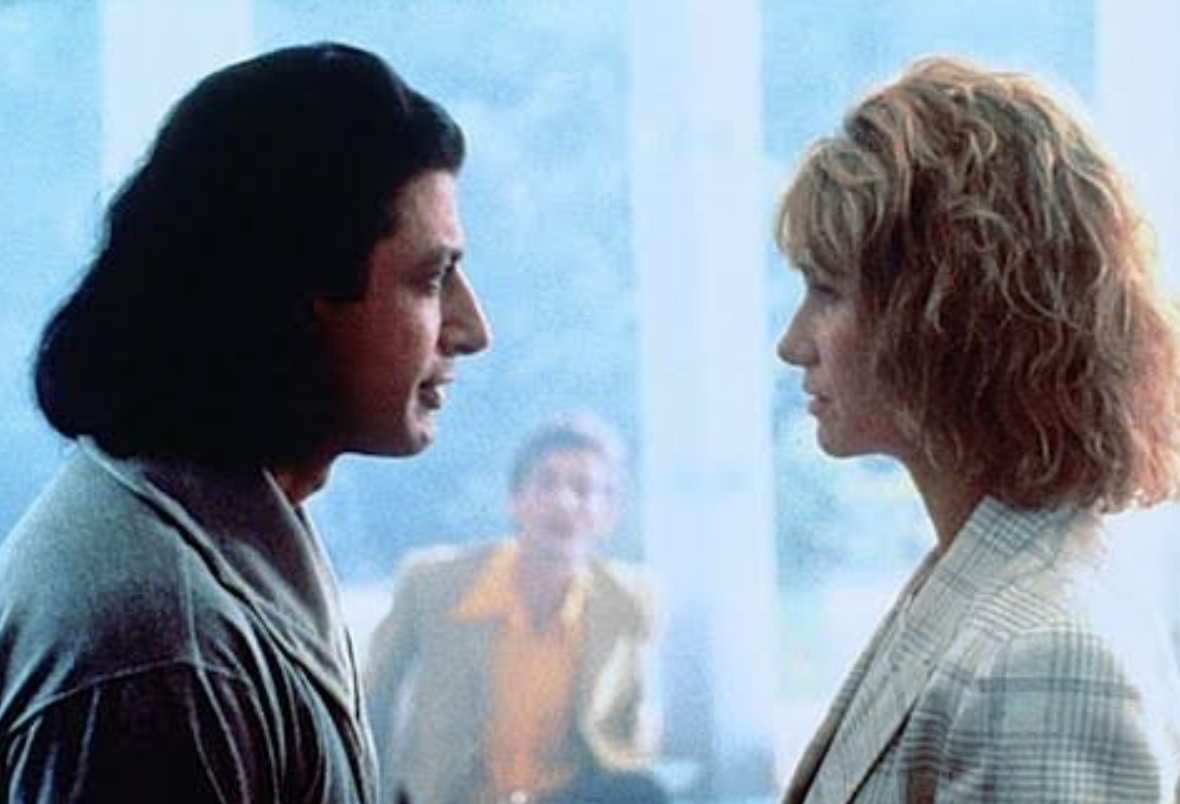
After its underwhelming cinema release back in 1990, Mister Frost now lies tucked away in that strange corner of horror where cult favourites live and thrive. Director and co-writer Philippe Setbon starts with that clever serial-killer setup, but the story soon shifts into a tense chess match about faith and the nature of evil. Jeff Goldblum is his most Jeff Goldblum-y as the eponymous enigma. After confessing, he’s sent to a French asylum and goes silent for two years. No explanations, no tricks, just a cold, unsettling quiet. Legal move? Mental breakdown? Or maybe, just maybe, he’s the Devil on holiday?
Then Dr Sarah Day enters the picture. She’s a psychiatrist, and one who believes everything can be explained away. Frost will only talk to her. Of course. Evil never wastes time on true believers – it chases after the ones who prefer evidence over vibes – and he lays it all out for her. He’s Satan. Not possessed, not a minion, but the main bad guy. He’s not dangling a Faustian bargain; all he wants is for Sarah to murder him, to show he’s real, to put fear back into a modern world smug enough to think it can ignore him.
Frost offers no grand villain speeches, just weary amusement, like he can’t believe humans have reduced him to a fairy tale. Goldblum drops his usual warmth but keeps his dangerous, alluring aloofness. The way he speaks, the pauses, the signature tilt of his head – it’s typical Jeff, but without that famous comforting twinkle, he’s terrifying. Kathy Baker brings real heart opposite him. Her Sarah isn’t just the typical sceptical doctor. She’s sharp and compassionate, and her gradual unravelling is where the film hits hardest – doctor and patient, facing off under harsh lights, her clinging to science, him grinning like he sees through everyone. Frost keeps tightening the screws, making Sarah feel responsible for everyone until his murder starts looking like her only option. It’s darkly disturbing – no jump scares, just a constant, growing dread.
If you’re after a proper thinker for Halloween, Mister Frost is the right choice. It trips over itself sometimes, and the conversations it’ll spark probably outshine its plot. But for viewers who like their horror to whisper rather than scream, it makes the holiday a little colder and much more interesting. Much like Frost himself, it’s a slim, clever drink of unease that creeps in and stays awhile.
If you liked Mister Frost, check out: The Exorcist III (1990), The First Power (1990), Angel Heart (1987)
21 - Ganja and Hess (1973)
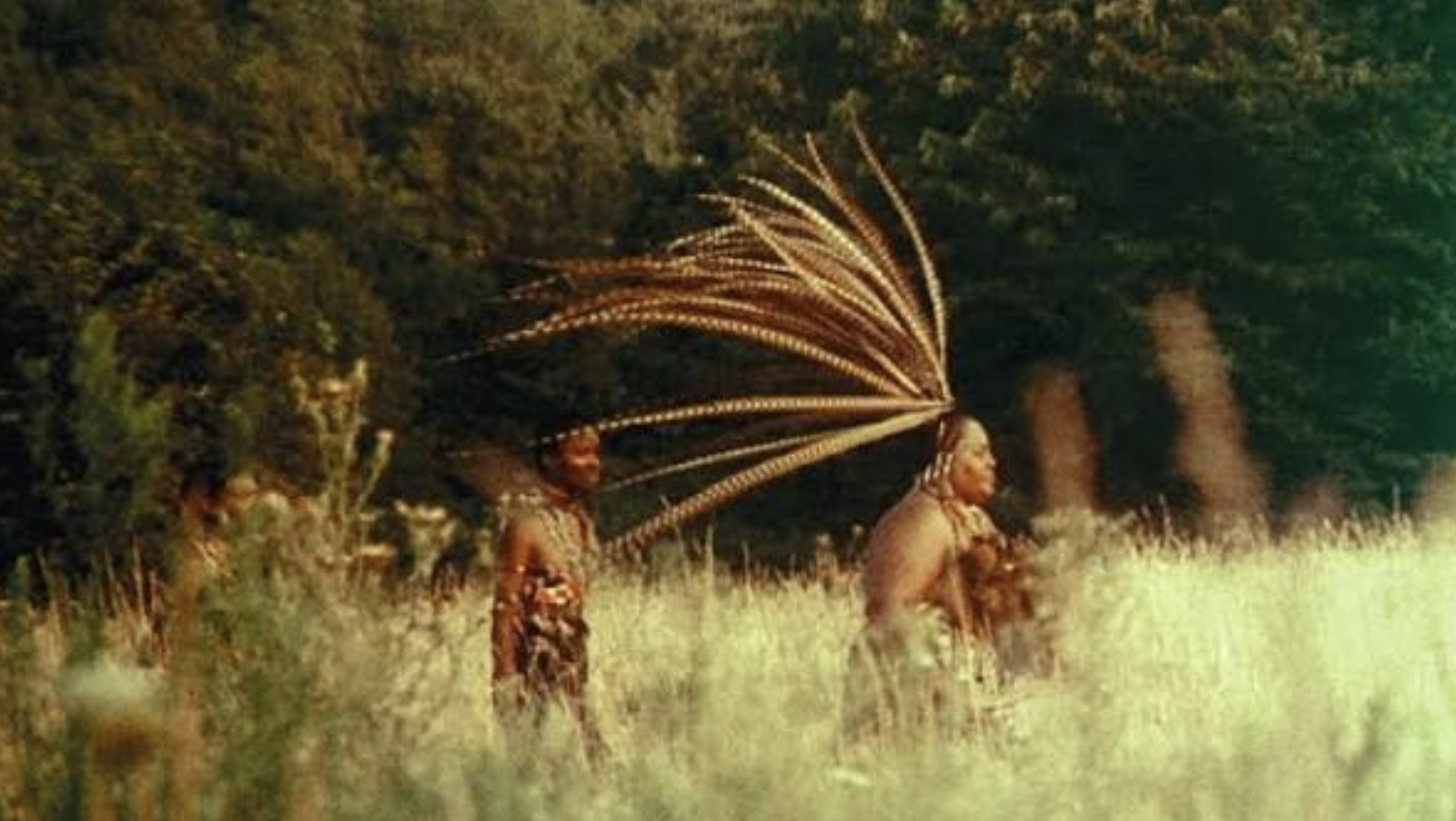
Much like Afflicted’s Derek and Hellbound’s Julia, today’s subjects are thirsty for the red stuff. Bill Gunn’s Ganja & Hessbegins with the faint outline of a vampire story, but soon wanders off into stranger, richer territory. Anyone expecting a tidy bloodsucker yarn may spend the first half wondering where the fangs went. Good. The movie is better for refusing the easy road.
Duane Jones plays Dr Hess Green, a wealthy anthropologist living in a mansion filled with African art, servants, and the sort of loneliness money can’t alleviate. After a night of despair, confession, and violence, his new assistant George Meda (played by Gunn himself with raw intensity) stabs Hess with an ancient dagger, kills himself, and accidentally gifts his host immortality plus a gruesome thirst for blood. Then Marlene Clark enters as Ganja, Meda’s widow, and Dr Hess falls. Hard.
Ganja could easily have been played as the victim, arriving to uncover her husband’s fate and scream on cue. Instead, Clark walks in with attitude sharp enough to pierce skin. She’s suspicious, funny, and gloriously unimpressed by Hess’s wealth and manners. When she discovers the gruesome truth, they soon become blood-drinking companions. Jones, already immortalised by Night of the Living Dead, gives Hess a weary, haunted dignity. While Ganja acclimates to their curse, his soul remains deeply troubled. Their relationship is less a tidy romantic resolution than a union as haunting and multifaceted as the concept of immortality itself.
For a movie sold in some circles as Blaxploitation, Ganja & Hess has almost no interest in playing the expected hits. Gunn isn’t chasing swagger, revenge fantasy, or cheap thrills. He’s making something a lot more interesting – a horror movie about contradictions. Wealth without safety, faith without peace, sex without liberation, Black identity viewed through rituals both African and Christian, both inherited and imposed. Gunn gives us Black characters rarely afforded this kind of richness in 1973 cinema: intellectual, erotic, cruel, lost, elegant, ridiculous, human. That alone feels radical, but the movie never turns into a lecture.
Spike Lee’s 2014 remake, Da Sweet Blood of Jesus, brought admirable new attention to Gunn’s original. But Gunn’s movie feels authentic in a way Lee’s take can only admire from a distance. For Halloween, Ganja & Hess is perfect if you’re craving something more than jump scares and rubber bats. It’s sensual and eerie, the kind of horror that lingers. It’s a ballad of desire and independence; a rare, personal film that still feels dangerously alive.
If you liked Ganja and Hess, check out: Tales from the Hood (1995), The Addiction (1995), Blacula (1972)
22 - Hellbound: Hellraiser II (1988)
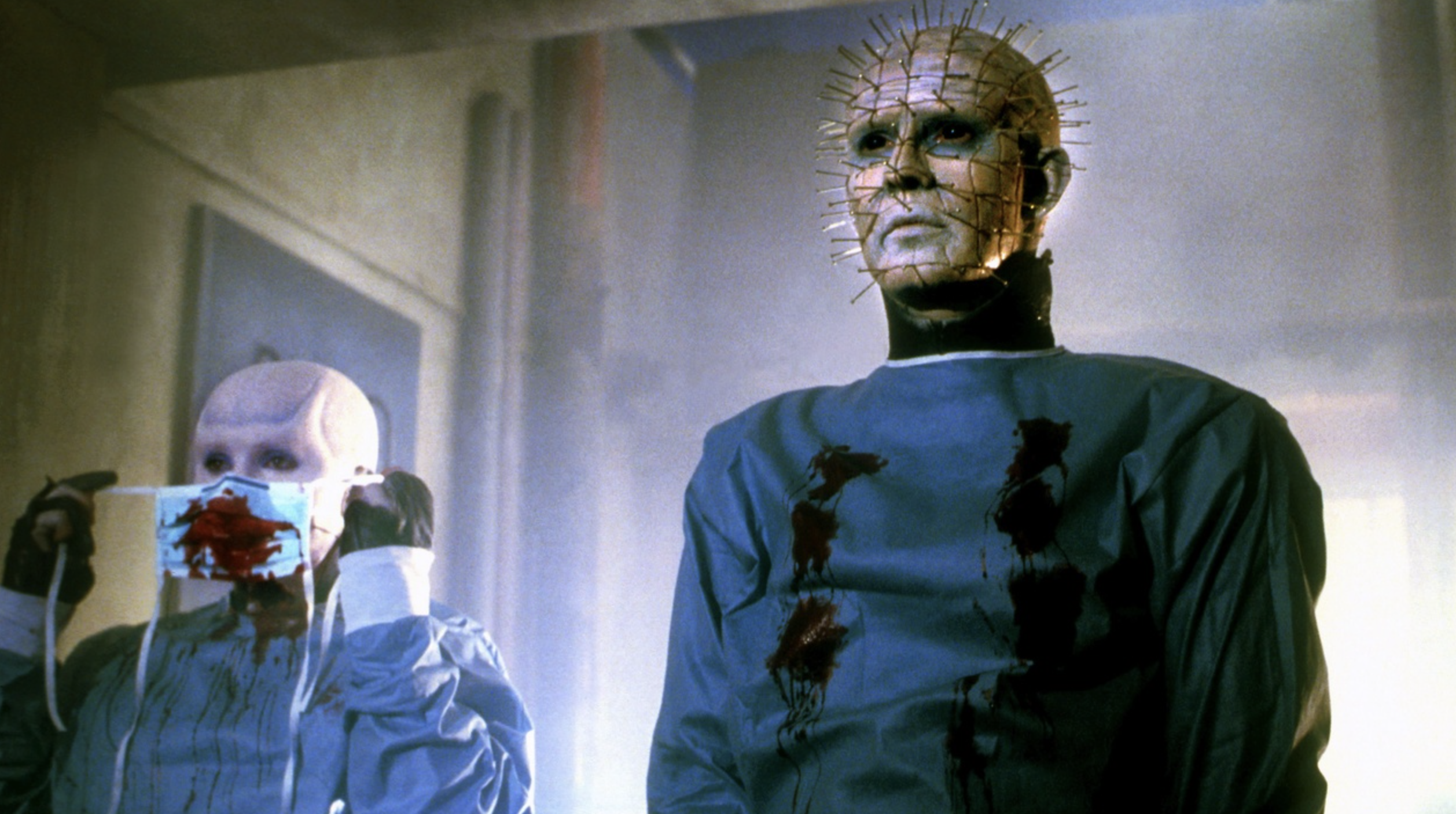
Another monstrous rebirth inhabits this week’s Sequel Saturday pick, an overlooked follow-up to a body horror classic. Hellbound: Hellraiser II crashes in right after the first film’s gruesome finale and doesn’t waste time. Where Clive Barker’s adaptation of his own book stuck to gritty, suburban horror, Tony Randel’s sequel turns it up to a bizarre, theatrical spectacle. It’s louder, weirder, campier, and honestly, way more fun than you’d expect.
Shortly after surviving the first movie’s messy family reunion, our heroine Kirsty Cotton is confined to a psychiatric hospital. Her descriptions of resurrected corpses and the villainous Cenobites naturally fail to charm the medical staff, but head psychiatrist Dr Channard is listening very carefully. His interest in the Lament Configuration (the series’ sadistic puzzle box that opens the doors to Hell) has less to do with patient welfare than his own private obsession. After reviving Ashley’s wicked stepmother Julia, he follows her into the Cenobites’ world, dragging Kirsty and another patient, mute puzzle prodigy Tiffany, along for the trip.
This is a busier film than its predecessor. Randel swaps the original’s domestic claustrophobia for something closer to a nightmarish fantasy epic. Walls stretch in all directions for millennia, corridors loop infinitely, bodies are peeled and stitched back together, then peeled again. Hell has had many screen incarnations, from lakes of fire to brutalist offices, but few are as beautifully ugly as the stone labyrinth depicted here. Cold, wet, and ruled by a colossal floating diamond, it suggests that eternal damnation was designed by the same architect who dreamt up Dublin’s bus station.
Doug Bradley’s Pinhead (fun fact – in Barker’s book he’s nameless) is still the main attraction. He’s got that commanding presence and perfect posture, but Hellbound slips an interesting crack into his armour. The film hints at the Cenobites’ humanity without making them soft – they’re still terrifying, still serving their twisted cause, but a little backstory sneaks in, and the monsters get a welcome layer of complexity. Channard, meanwhile, is a genius addition to the rogues’ gallery. While Julia is driven by appetite and Pinhead by perverted duty, Channard is somehow worse. His lofty position at the hospital, treating patients not as human beings but as instruments for his private obsession, gives his villainy a grim real-world texture before the supernatural arrives. Once he becomes a Cenobite, the movie literalises what was already there – the surgeon, the experimenter, the authority figure who believes suffering is acceptable in the name of curiosity. He may be less iconic than Pinhead, but he expands the franchise’s universe by showing that Hell does not only employ the seduced, tricked, or desperate; it also welcomes professionals, intellectuals, men with big bunches of keys.
Not everything works. Sometimes the dialogue thuds, like the movie momentarily forgets it should intrigue, not explain. The story stumbles a bit in the middle, and a few side characters just exist to get eaten by the plot. Still, the highs easily outweigh the shortcomings. The movie’s ambition is contagious, and it looks far better than you’d expect given its meagre budget. The practical effects still look great; Julia’s gradual regeneration in particular is deliciously gnarly. Clare Higgins once again gives one of horror’s most memorable villainous femmes a commanding mix of elegance, appetite, and contempt, effortlessly gilding through the gristle and gore, using desire as both weapon and excuse. And the finale is flat-out bonkers, capped by Kirsty using someone else’s skin as a disguise – a nasty, clever jab at how women are expected to wear masks to survive.
For an October night, Hellbound: Hellraiser II is ideal viewing. Candlelit rooms, forbidden boxes, and more carnage than a drunken pumpkin carving competition. It’s loud, bloody, ambitious, and completely shameless, a sequel that takes the phrase “go to Hell” as good advice. Bring sweets. Avoid anything shaped like a puzzle box.
If you liked Hellbound: Hellraiser II, check out: Event Horizon (1997), Nightbreed (1990), From Beyond (1987)
23 - Afflicted (2013)
Werewolves, take a seat – here come the vampires for today’s Found Footage Friday pick. On paper, Afflicted sounds like a rummage through the usual bin of tricks. Yet Derek Lee and Clif Prowse (directors, writers, and co-leads… Derek and Clif) pull off a small miracle – they take a format famous for giving viewers motion sickness and excuses for bad acting and shoddy cinematography, and turn it into something lively, sad, funny, and completely original.
Two best mates decide to film their grand tour around the world for a web series. Derek has recently been diagnosed with a potentially fatal AVM, so the trip carries the melancholy weight of a last hurrah. They stop in Barcelona to meet old friends, and Derek hooks up with a mysterious woman named Audrey. Later, Clif finds him alone in his hotel room, semi-conscious, bloodied, and feverish. Soon enough, he begins displaying strange symptoms, eventually becoming a threat to himself and those around him…
What follows is basically a vampire story with the dusty old coffin lid kicked off. Afflicted keeps the familiar bits that work – sunlight is deadly, a need for blood becomes a problem, and Derek’s body starts doing alarming new things – but folds them into an effective travelogue and body horror combo. There’s no velvety cape or bat transformation nonsense here, and Derek’s transformation is not elegant or romantic. He pukes, sweats, breaks apart, and lashes out. Vampirism here feels less like a gothic curse and more like a foreign illness or drug comedown.
Derek and Clif aren’t your typical found footage protagonists (typically ghost hunters, journalists, or documentary makers), or the kind of horror leads who make dumb choices in abandoned buildings. They’re lads on a round-the-world trip, filming a web series because that is exactly what lads on a round-the-world trip would do. The early stretch has a loose, easy charm to it – the snappy, back-and-forth banter lands, making their friendship feel natural rather than screenwritten. That matters, because once Derek’s holiday hook-up leaves him for (un)dead, the movie has already done the hard part – it has made his decline worth caring about.
The best trick Afflicted pulls is making the camera feel necessary. Found footage always comes pre-loaded with the golden question – why are they still filming? – and the answer can make or break the movie. Here, it’s necessary; it’s how the friends communicate, document, problem-solve, and cling to reality while everything goes off the rails. It helps that the action scenes are a genuine blast, keeping us too entertained to notice when the format strains credibility. Once Derek’s strength and agility begin to spike, the movie moves with him, darting over rooftops and through cramped rooms with a feral glee. It’s impressively inventive, and every cent of its minuscule budget is visible onscreen.
For Halloween, Afflicted is a cracking watch. There’s blood, panic, night-time stalking, and that strange pleasure of watching someone become something. More importantly, it’s fun. Not silly fun, but the rich sort horror fans chase: brisk, creepy, sad in the right places, and clever enough to leave a mark.
If you liked Afflicted, check out: The Monster Project (2017), Living Amongst Us (2018), Humanist Vampire Seeking Consenting Suicidal Person (2023)
24 - Howl (2015)
A late-night train grinds to a halt in the middle of nowhere. There’s no signal, no clear exit, a bunch of strangers at each other’s throats…and it’s a full moon. Today we’ve got another modern British fright-fest with Paul Hyett’s Howl, a lean, hugely enjoyable werewolf siege movie that perfectly showcases horror’s ability to turn an everyday space into a theatre of screams.
The story follows Joe Griffin (perhaps a clever nod to American Werewolf in London’s Griffin Dunne?), a train guard reluctantly covering a shift. Joe’s beat down, underappreciated, and still smarting from getting passed over for a promotion. The train’s passengers are a who’s who of archetypes – posh snob, loudmouth, smarmy businessman, obnoxious teenager, sweet old couple, and the inevitable nerd. Ellen, a tea-trolley attendant, is pretty much Joe’s only ally onboard. They’re off on an overnight run to Eastborough, but then everything grinds to a stop; a dead deer blocking the rail. The driver (Dog Soldiers’ Sean Pertwee, that guy has no luck with lycanthropes) disappears into the nearby woods to check it out. Of course, that’s not so much problem-solving as it is kicking off the all-you-can-eat buffet…
What comes next is a creature feature that plays it old-school, Evil Dead-style – banging doors, a string of bad decisions, panic rising with every scene. Hyett, who made his name in effects before directing, goes big on blood and jump scares. The werewolves themselves look wild and scrappy, more mangey than majestic. Sure, sometimes the costumes wobble, but there’s an energy to them – they’re not mopey, doomed types pining under the full moon; they’re angry, impatient beasts that bash windows and tear into the passengers like it’s pizza day in the office.
Howl shines whenever the train’s occupants clash. Class tension pops – Adrian, the smug suit, gets nastier with every self-serving move, while Joe slowly becomes the guy his job always needed, but never quite allowed. There’s a sly kick of social satire; as soon as things get rough, it’s the staff hustling to keep folks alive while the privileged whine, sabotage, or outright offer others up as monster snacks. The movie isn’t reinventing the wheel or saying something hugely profound, but it gets that public transport is already a high-stakes social experiment – just toss in a few werewolves and you’ll see people’s true colours.
Joe and Ellen’s relationship gives the movie a nice, subtle heartbeat. Ed Speleers brings real bruised charm to Joe, and Holly Weston gives Ellen just enough warmth and grit to make her stick. The ride can get a little bumpy. Some kills are obvious way before they happen, a few characters are there only to get picked off for being annoying. The middle of the movie falls into a bit of a loop – barricade, monster attack, regroup, repeat – but this cycle fits its scrappy B-movie vibe, and for the most part works well.
When you’re in the mood for a Halloween fright, Howl is a no-nonsense pick. It offers a classic setup, a long stormy night, great practical effects, and scary monsters on the prowl. It’s a sharp, bloody little midnight ride, and sometimes that’s all you really need.
If you liked Howl, check out: Dog Soldiers (2002), Creep (2004), The Midnight Meat Train (2008)
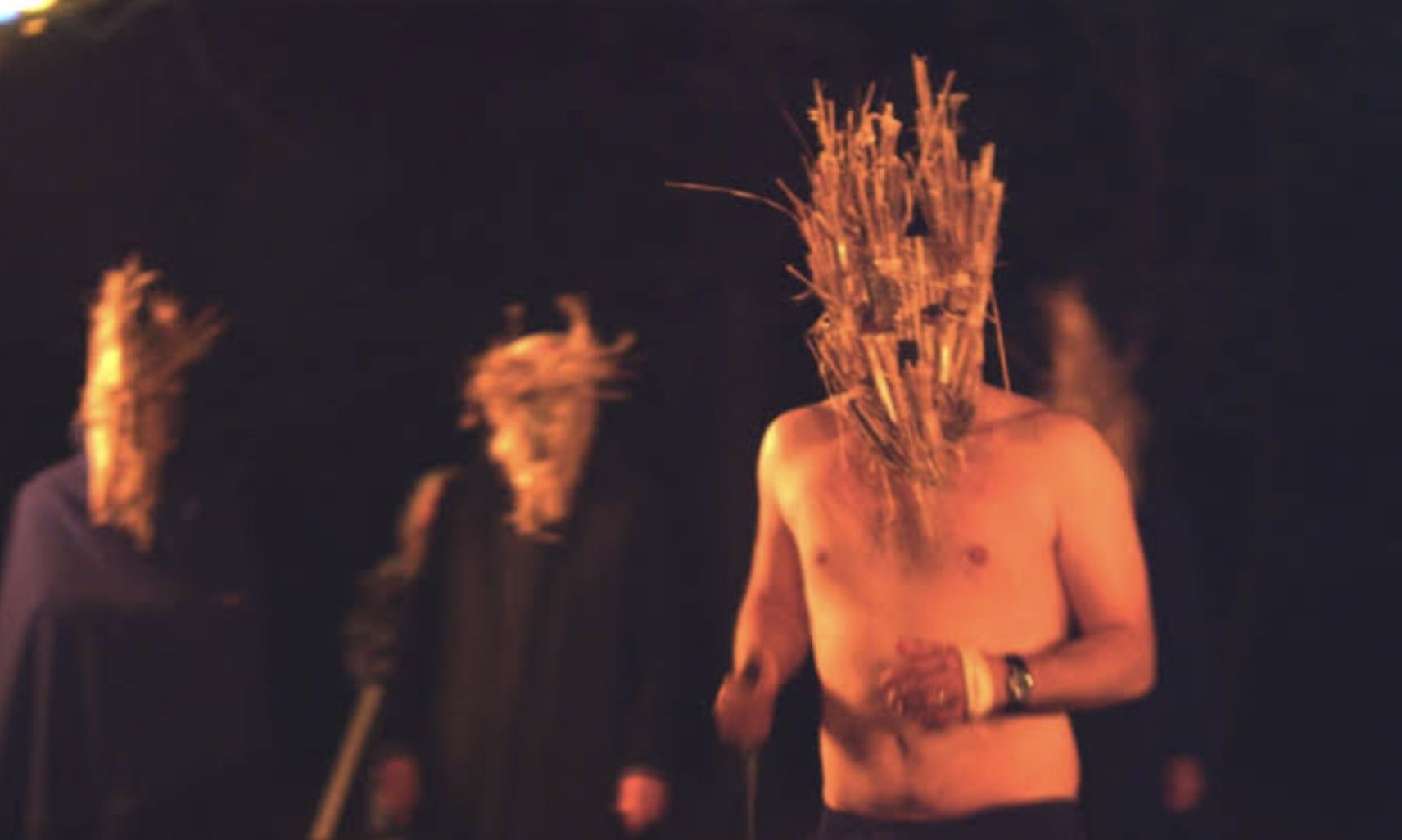
25 - Kill List (2011)
We’re following Possession with another movie that begins with a marriage under strain. Ben Wheatley’s Kill List is also a genre-bender; a vicious little masterpiece – part domestic melodrama, part hitman thriller, part ritual horror, all wrapped around one of British horror’s nastiest finales.
The movie opens like a Mike Leigh movie about a man who’s lost his way. Jay is a hired killer no longer able to sleep easy – his domestic life is creaking under money worries and shame, his friendship with fellow assassin Gal the only lifeline left. The plot moves at a deceptively casual pace as the lads accept a trio of assignments that escalate in cruelty and absurdity. The targets are by-the-book hits on paper, but in reality feel like someone else’s twisted game, with Jay and Gal as unwilling pawns…
Kill List’s descent into cult theatricality and symbolic violence could easily have landed as a gimmick. Instead, it feels earned because the earlier, quieter scenes ask us to stay alert to small tells: a laugh that feels forced, a client who behaves like a puppeteer, victims willingly accepting their fate. Some viewers will bounce off its grotesque final act, and fair enough – the shift into full pagan nightmare is sudden, arguably disconnected from the rest of the movie. But what makes it so effective is the rotten inevitability of it. Jay spends the film behaving like a man trapped by everyone else, only for the cruel punchline to be that his own nature and own decisions made him easy to steer to an unspeakable end.
Performance-wise, the movie is lean and hungry. Neil Maskell is frighteningly good as a man whose rage seems both personal and, increasingly, justified. His Jay is funny, charming, loving, pathetic, monstrous, sometimes in the same scene. MyAnna Buring gives Shel more than the usual anxious wife role, too; she’s not merely waiting at home while the men do grim business. She has her own steel, her own secrets, her own sense of what survival costs. Michael Smiley, meanwhile, brings his usual Norn Irish brand of warmth and weary humour as Gal, the poor sod trying to keep the job on course while his friend becomes less partner and more unexploded grenade.
Kill List enjoys upsetting expectations. It starts as a crime drama, then becomes a creepy folk tale, then descends into a nightmare about fate and submission. It’s unsettling in ways that matter, keeping the domestic and monstrous horror at the same level. It’s a brave, clever piece of work that rewards attention. A perfect pick for a stormy autumn night, abandoning cheap jump scares in favour of slow, creeping dread. Watch it with the lights off and let that dread stick with you long after…
If you liked Kill List, check out: A Field in England (2013), Dead Man’s Shoes (2004), Bull (2021)
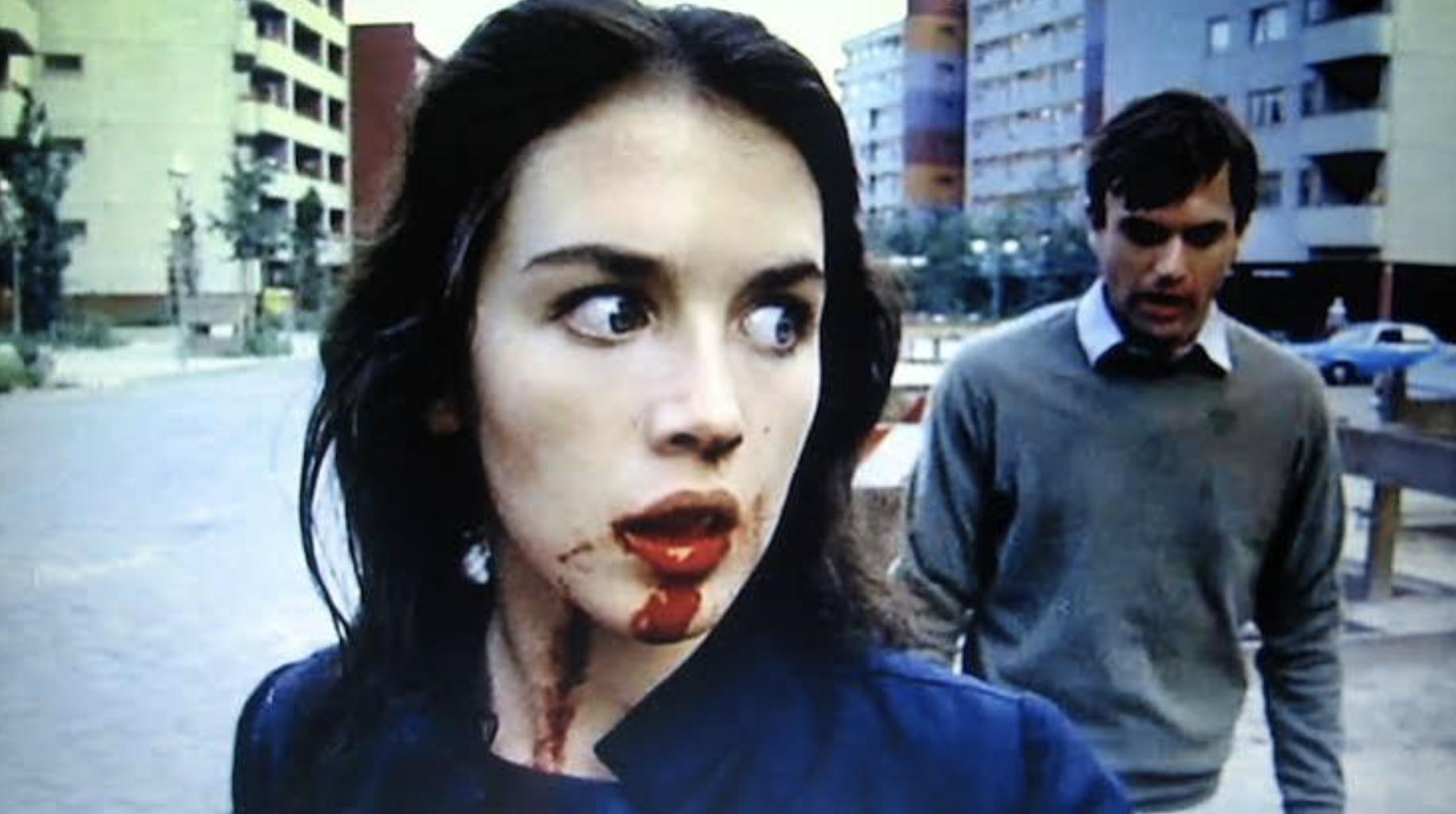
26 - Possession (1981)
Still not had your fill of sex and monsters? Andrzej Żuławski has you covered, with a screaming, bleeding marital meltdown of a movie. Possession feels like a fever dream smooshed into a spy story, then let loose to spiral out of control.
Żuławski drops us into soggy, grimy West Berlin. The late, great Sam Neill plays Mark, a spy so worn-out he’s barely keeping his life and family from unravelling. He comes home from his job to find his wife – Isabelle Adjani’s Anna – demanding a divorce. There’s no tidy reason or tearful confession. Anna is already halfway out the door – and maybe halfway out of humanity.
Their apartment turns into a battlefield. Every argument feels like a grenade – screaming, bitterness, bruised egos everywhere. Their son Bob (weird name for a kid, or is it just me?) is caught right in the middle, trying to survive the wreckage as his parents poison each other. Mark discovers Anna’s new lover, Heinrich, a walking silk scarf who talks too much and somehow never gets told off for it. But there’s another lover lurking in a rundown apartment. And this one’s got tentacles.
Possession ignores genre entirely. You think it’s a Cold War thriller, then a nasty divorce drama, then, out of nowhere, a monster crawls across the floor. Is that… thing …a metaphor for grief? Addiction? Is it real, or part of an unending nightmare Mark and Anna can’t escape? Żuławski never says. Much like the monster, the truth is slippery.
The movie’s gender politics are painted with broad, messy strokes. Anna is granted a ferocious agency rare in an ’80s movie, but her body is also made into a spectacle. Mark’s rage isn’t defended, but the camera stays close enough during his outbursts to make you uneasy, maybe even sympathetic. Watching now, it feels less like an honest portrait and more like digging through the wreckage of a warped relationship. And the acting’s off the charts. Adjani is nuclear – fearless doesn’t even cover it. Neill simmers, always on the edge, with an untreated fury so intense it leaves bruises. There’s no healing for them to be found here – this is an autopsy. Whatever therapy tried, it didn’t work.
Possession tears up the ordinary and asks us if the person beside us, the person we love, might one day split open and reveal something dark and terrifying inside. Watch it when you’re ready for a film that nests under your skin. It lingers, leaving you unsettled and itching for answers with the credits still rolling. Shocking, dirty, deeply human – it’s still one of horror’s most unforgettable break-ups.
If you liked Possession, check out: Antichrist (2009), Mother (2017), Audition (1999)
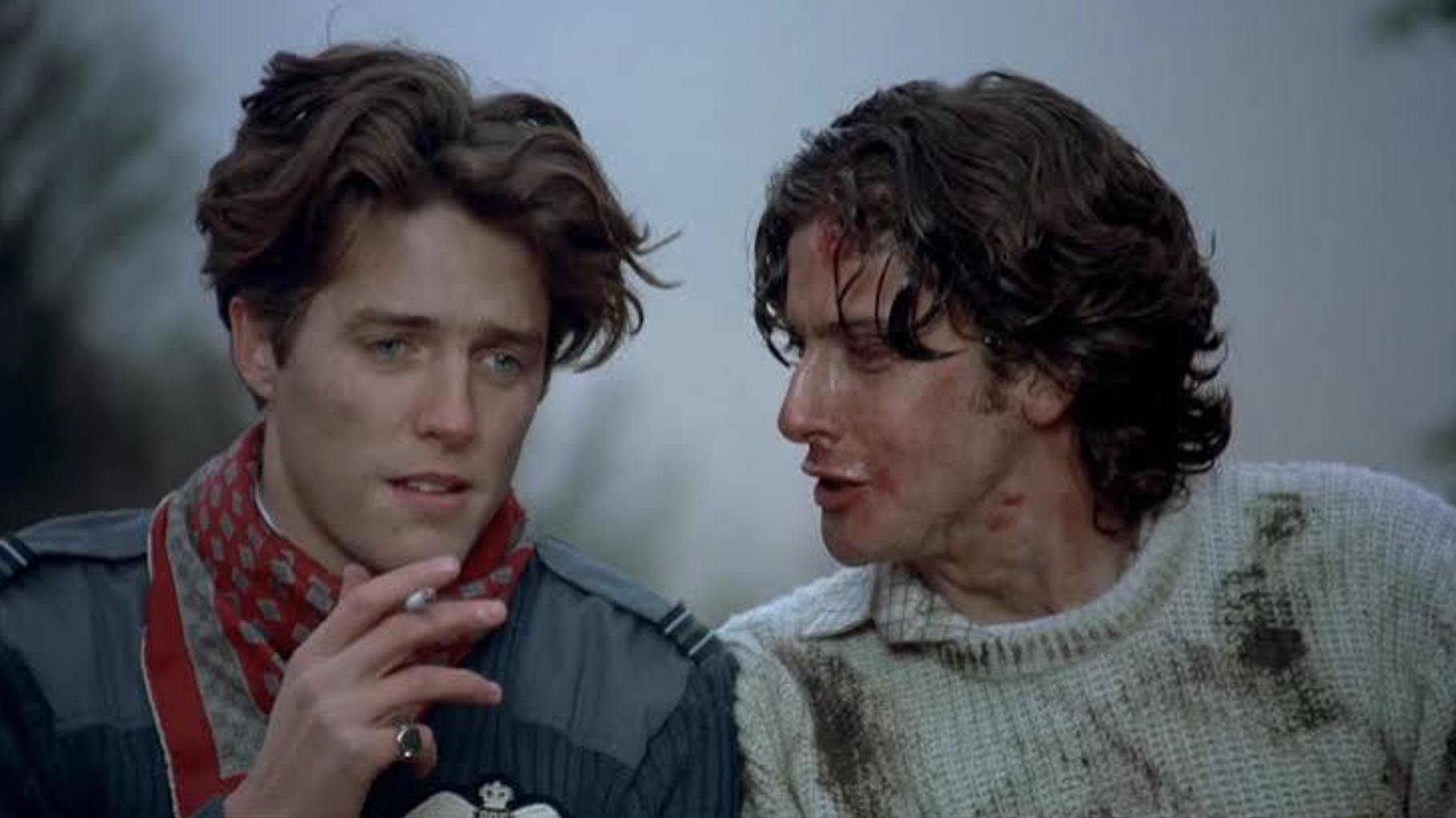
27 - The Lair of the White Worm (1988)
From one page-to-screen adaptation to another. Ken Russell’s The Lair of the White Worm begins with Peter Capaldi digging up a strange skull in the Derbyshire countryside, and doesn’t that perfectly encapsulate British horror cinema? Off the bat, we also get unholy legends, weird relics, snake fanatics, posh weirdos, and, just to really drive it home, a young Hugh Grant in an RAF uniform. Rule Britannia.
Russell’s 1988 comedy horror loosely riffs on one of Bram Stoker’s lesser-known novels. We follow Angus Flint, a young archaeologist whose odd find seems tied to an old legend about the D’Ampton Worm, a serpentine monster that terrorised rural England centuries ago before supposedly being slain by an ancestor of local lord James D’Ampton. The Trent sisters, Mary and Eve, run the B&B where Angus is staying, and before long, weirdness starts circling their doorstep. The real trouble, however, is Lady Sylvia. She’s an immortal snake priestess with her eye on Eve, a taste for human sacrifice, and a wardrobe that Grace Jones would kill for.
Russell throws in some folk horror staples – haunted caves, ancient songs, creepy cults – but then douses them in his trademark erotic weirdness. If you want a classy affair like The Wicker Man or The Outcasts, keep walking – here it’s more Carry On Up the Pagan Temple, cranked to the hilt with tainted crucifixes, hallucinations of Christ tormented by phallic monsters, and enough snake symbology to make Conan the Barbarian run for the hills.
Russell, as always, directs like he’s got a personal vendetta against subtlety – filling every scene with gaudy colour and ridiculously blasphemous iconography. The tone swings from clever to goofy to bonkers, and whenever there’s a risk of the movie slowing down to catch a breath, her Ladyship pops up. Amanda Donohoe goes full tilt as Silvia – predator, aristocrat, dominatrix, pantomime villain – strutting around as if Derbyshire exists for her personal pleasure. Ironically, her scenery-devouring confidence keeps the whole thing grounded. She 100% understands the assignment, and this distracts from the other performances sometimes feeling a bit lost in Russell’s funhouse. Rough edges aside, Hugh Grant (years before he became the king of awkward charm) is endearingly eccentric and unflappable as Lord James, while Capaldi’s Angus gives future Hugh a run for his money, all floppy hair and nervous tics. Their collective energy keeps the movie zipping along, but, more importantly, none of them break the spell by mugging for the camera. Camp works best when nobody’s nudging you in the ribs about it, and there’s nary a side-eye to be found here.
If you’re looking for a Halloween movie for when you’re bored of creaky houses and wailing spirits, this is a bloody good pick. The Lair of the White Worm is funny, horny, utterly nuts, and weirdly gorgeous. A movie with fangs, sure, but its forked tongue is definitely tucked into its cheek.
If you liked Lair of the White Worm, check out: The Devils (1971), Killer Tongue (1996), From Beyond (1986)
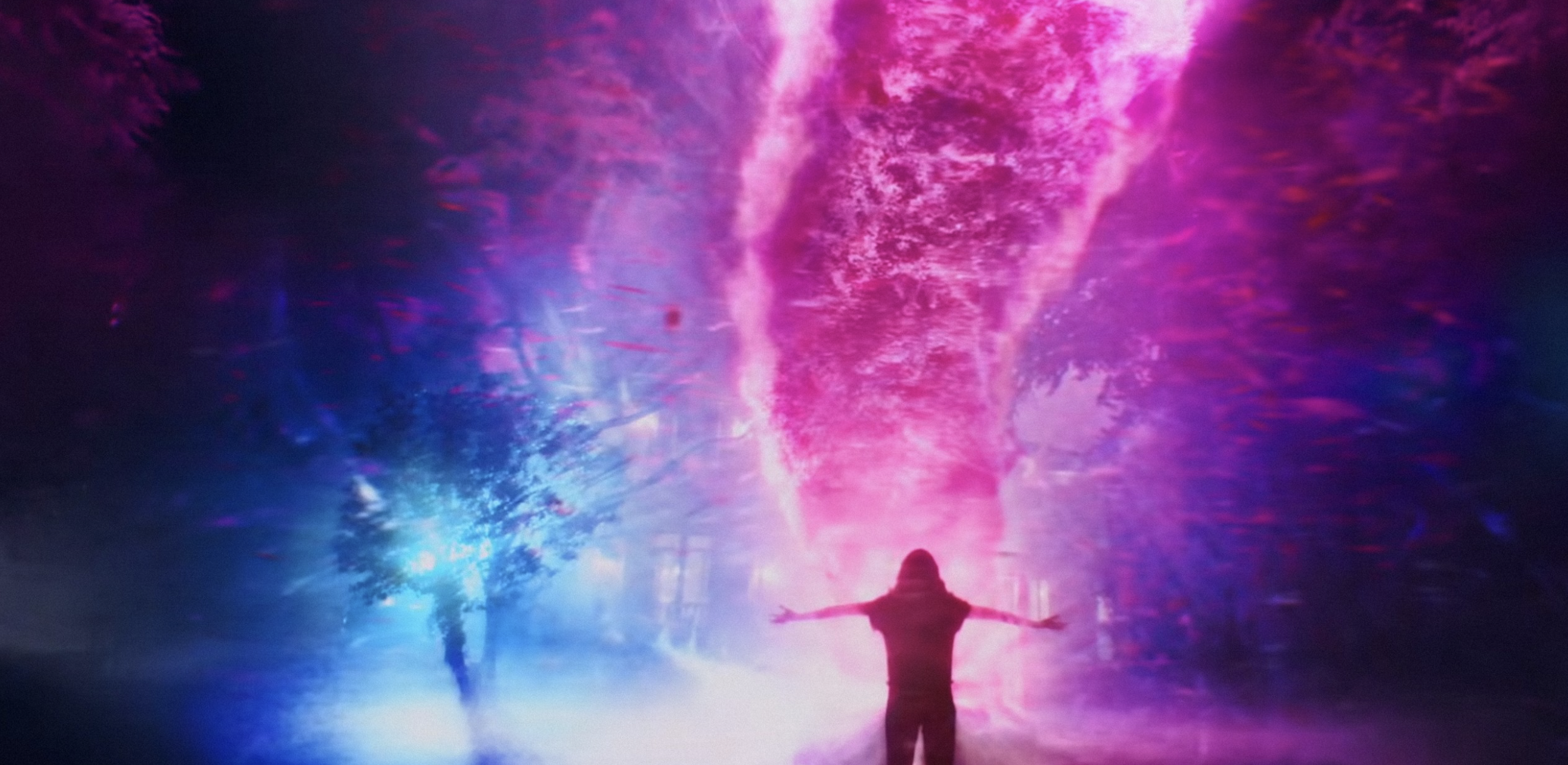
28 - Color Out of Space (2019)
More sci-fi goodness today, with a banger of an oddity starring one of modern horror’s most faithful servants. We open with a meteorite dropping into a quiet New England yard, and end with a Lovecraft nightmare that knows better than to try explaining the unexplainable. Welcome to Color Out of Space.
We follow Nathan Gardner (Nicolas Cage, he of always bringing it no matter what the project), his wife Theresa (Joely Richardson), and their kids, Lavinia, Benny, and Jack. They’ve traded city life for a healing retreat on a little farm – tomatoes, alpacas, and off-the-grid living – after Theresa’s cancer battle. But then dat pesky meteorite crashes to Earth, and things start getting weird. The flowers turn colours you’ve never seen. Time feels slippery. The water tastes… off. The Gardners start coming apart.
Literally.
What works so well about Color Out of Space is how it turns contamination into more than just a monster. The alien force here isn’t running around trying to eat the Gardners. It just… seeps. Into the ground, into their heads. It’s a shapeshifter that could act as a metaphor for everything and anything: climate crisis, rural isolation, the destructive chaos illness brings to a family. Director and co-writer Richard Stanley keeps it vague on purpose. The less you know, the smarter – and scarier – it gets.
Visually, the movie is stunning, but in a way that feels deeply, worryingly uncanny. Neon magenta soaks everything, making the farm look beautiful and sickly at the same time, the apocalypse as imagined by Lisa Frank. The strange flora and shimmering trees are magical until the dread kicks in. And when the alpacas finally start acting up, you know things are fully off the rails. No farm animal has had it so rough since Babe: Pig in the City.
Richardson brings some grounding, giving us the emotional gut-punch as Theresa loses control over her own body and life. Madeleine Arthur, as slightly goth Lavinia, sees straight through the “fresh start” fantasy to the wreck inside, keeping the story sharp and real. The kids matter here; their fear is raw, and the family’s fate stings.
And then there’s Cage. You want him? Oh baby, you get him. He throws himself into Nathan – first as a determined, slightly overenthusiastic dad, desperately reinventing his life after everything went wrong. Then, as the colour takes hold, we get rage, panic, and those signature Cage freak-outs. Is it a lot? Absolutely, but this is Nic fucking Cage battling cosmic insanity. What did you expect?
Color Out of Space isn’t neat, sanitary horror. It’s sloppy, glowing, and uncomfortable. It drags the cosmic fear of Lovecraft’s short story source material into our world of trauma and eco-angst, then soaks it all in radioactive purple. Perfect for October – unsettling enough for Spooky Season, nasty enough to please hardcore horror fans, and weird enough to make reality feel a little dangerous for a while.
If you liked Color Out of Space, check out: Street Trash (1987), The Void (2016), Mandy (2018).
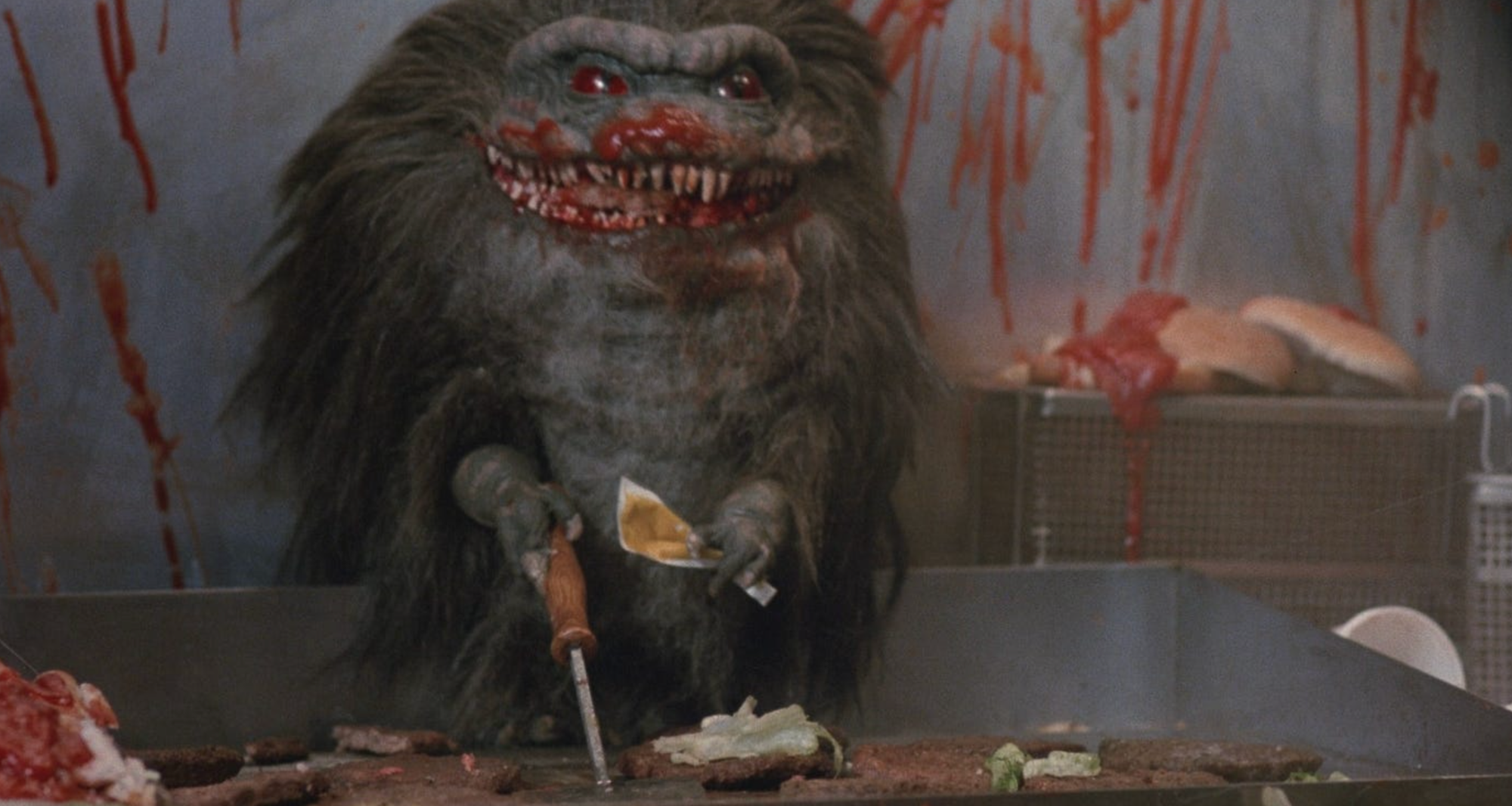
29 - Critters 2: The Main Course (1988)
Another fun one? Why not, let’s ease our way into the month with the first entry in our new “Sequel Saturdays” set. Critters 2: The Main Course showed up two years after the first, with O.G. hero Bradley Brown revisiting his hometown of Grover’s Bend. He’s not the only one returning. Eggs the titular “Crites” left behind at the climax of the original have hatched and are multiplying quickly. Space bounty hunters (just go with me here) Ug and Lee are back too, as is Charlie, the town’s lovable mess and Bradley’s best friend. This ragtag bunch of earthlings and aliens must kick ass and take names before the whole town ends up as indigestion.
The best part? Critters 2 just goes for it, with zero shame. It’s cheap-looking and ridiculous, but it’s got energy and attitude in spades. The Crites themselves are still a delight – snarling little puffballs, tumbling in packs, bickering in subtitled squeaks, and turning fun-sized violence into pure art. Much like Frogman, there’s also a sly little jab at small-town life hiding under all the mayhem. Grover’s Bend might cling to its church socials and beautifully crafted Easter baskets, but all it takes is one unexplainable death, and suddenly polite society is turning on itself. The Bend’s inhabitants soon find themselves torn between buying Bradley’s wild story about killer pom-poms or dismissing it as the ravings of a local who left their flock for big city lights.
While this commentary is welcome, let’s face it – it’s not what we came for. Thankfully, the Crites don’t care much about nuance. They’re all appetite; tiny, furry gluttons with fangs. They just want more – food, bodies, chaos – and they’re never satisfied. That Gremlins-esque anarchy keeps us watching; the “mega-ball” scene (where all the Crites merge into one giant, rolling sphere of teeth) is a particular standout. It’s the kind of gloriously deranged idea us creature feature fans pray for but are rarely granted.
Critters 2 is perfect if you’re craving something lighter between the heavy, moody Halloween horrors. It’s silly on purpose and charming as hell. Does everything work? Nope. The romance plot is about as filling as wet cardboard, and a handful of gags have not aged well. But who cares? It isn’t the smartest or most sophisticated horror-comedy of the ‘80s, but it’s one of the most enjoyable. Like the Crites themselves, once it starts rolling, there’s no stopping it.
If you liked Critters 2: The Main Course, check out: Hundreds of Beavers (1982), Ghoulies (1985), The Garbage Pail Kids Movie (1987)
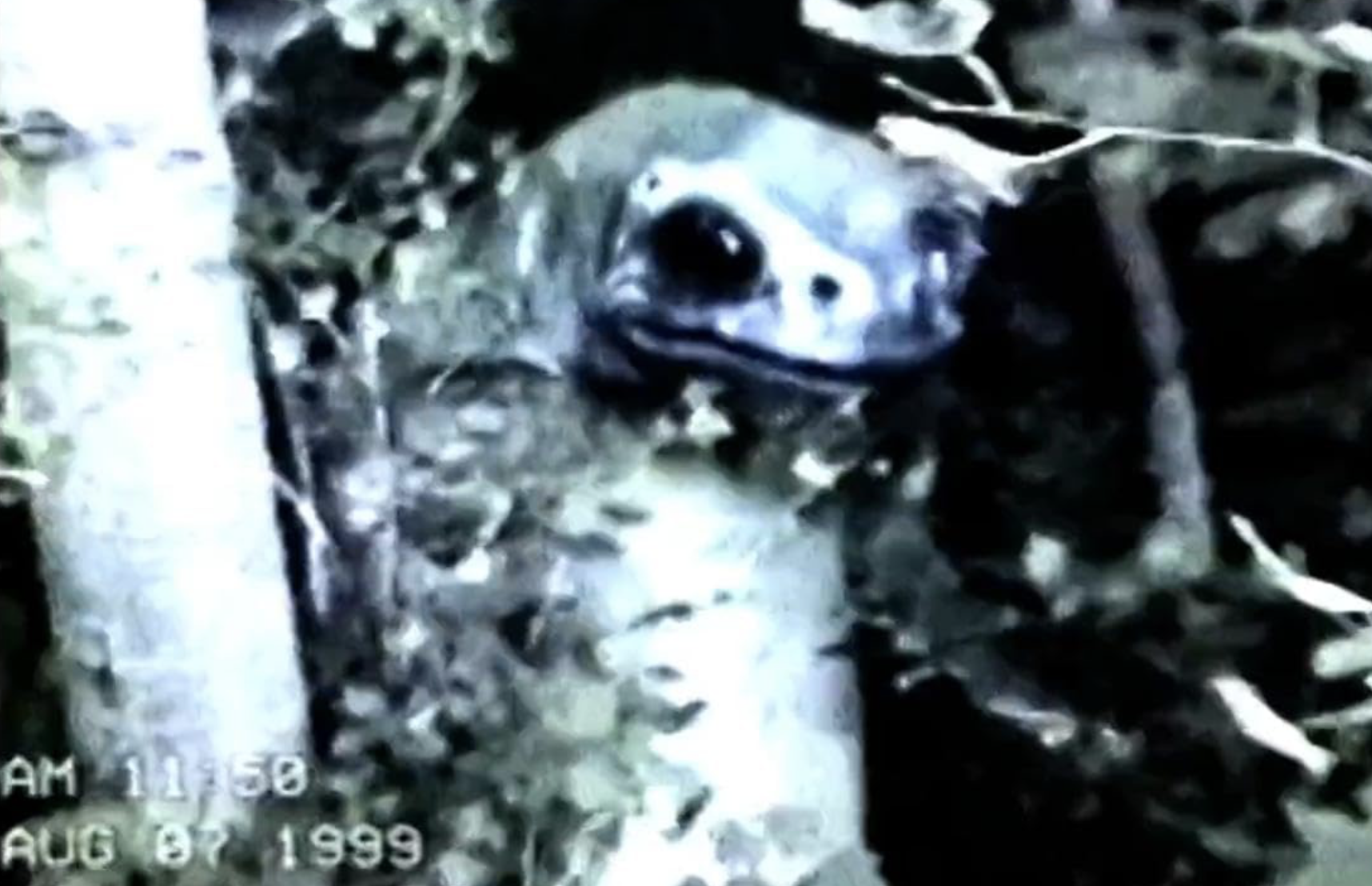
30 - Frogman (2024)
We’re sticking in horror-comedy territory for Found Footage Friday, with a criminally overlooked little gem from a few years back. Movies about cryptids usually amp up the ridiculousness of their subject material – Harry and the Hendersonshad a Bigfoot more cuddly than scary, Trollhunter’s baddies could sniff out Christians, and Mothman looked and sounded like a rejected Batman villain. Frogman is no different. The four-foot amphibian said to haunt Loveland, Ohio, with a wand in hand has the energy of a rogue Saturday morning cartoon. Director Anthony Cousins understands the absurdity and leans into it, but also poses a very exciting question: what if the stupidest local legend you’ve ever heard could actually be… gasp … scary?
The setup is beautifully silly. In 1999, young Dallas Kyle accidentally films what appears to be the Loveland Frogman. The clip briefly makes him famous, then infamous, then a punchline. Years later, adult Dallas is still trapped in that shaky, grainy moment; less a moviemaker than a man using the camera lens as defensive bubble wrap. When a YouTube retrospective reopens the wound, he drags his friends Scotty and Amy back to Loveland to prove that he hasn’t wasted his life chasing slime-covered shadows.
That premise could easily produce yet another self-aware found-footage spoof. Thankfully, Frogman is smarter than that. It treats its rubbery nightmare with a straight-faced reverence usually reserved for ancient curses and demonic tomes bound in skin. And the movie never just says, “look, a man-sized frog”. It explores themes of belief, humiliation, male insecurity, and the small-town fear of outsiders. Not too shabby for a movie about a giant croaker with a magic stick.
Loveland itself is one of the best things about the movie – a cheerful tourist trap built on dubious folklore, novelty tat, and weird locals. It’s funny because it feels horribly plausible – give any town a single blurry photo and three podcast episodes, and within six months somebody will be selling T-shirts and themed craft beer. Beneath the satirical kitsch, we find something sharp and complex. Dallas is chasing proof – if he’s successful, does Loveland really stand to benefit from Frogman going legit?
As found footage, Frogman has the usual bumps. The early stretches lean heavily on bickering and awkward interviews, and not every gag lands cleanly. But once it descends into cult rituals, mysterious trails of goo, and psychic assaults, it becomes something brilliant. The creature effects have that lovely handmade quality where you can see every wobble, and there’s a gleeful stupidity aplenty when we finally get to see Frogman wielding his little wand. The movie commits so hard that laughter and unease become solid bedfellows. It’s weird, then tense, then properly gruesome, sometimes within the same shot.
For Halloween viewing, Frogman is a perfect oddball pick. It’s not the scariest movie in the pond, but it has exactly the right October texture: a small-town cryptid, a shadowy cult, the creeping suspicion that a tacky tourist shop might have a sacrificial altar in its basement. It’s the sort of movie best watched late, with friends, when everyone is willing to just go with it. Not every frog becomes a prince. Some become a legend.
If you liked Frogman, check out: V/H/S Halloween (1982), Exists (2014), The Last Broadcast (1998).
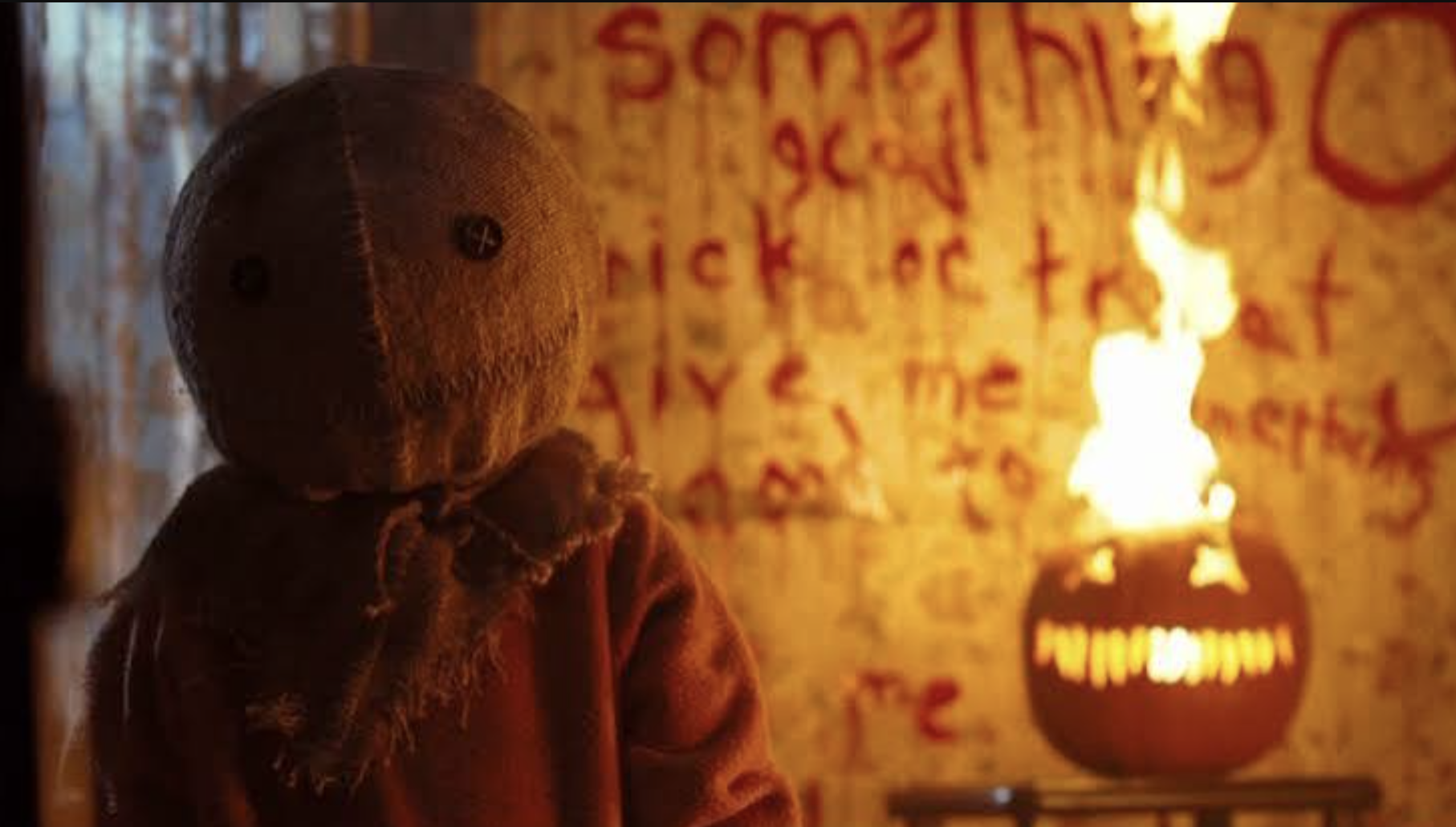
31 - Trick ’r Treat (2007)
You can’t really dive into a month of horror without the basic essentials – a pumpkin (or turnip if you’re old school) glowing out front, a bowl full of sweets to appease the tiny terrors arriving at your door, and a scary tale or two. Michael Dougherty’s Trick ’r Treat ticks all the boxes and starts the season the right way.
This fantastic horror anthology threads together several stories unfolding across one night in a small Ohio town. A woman snuffs out a pumpkin too early. A school principal with a murderous hobby disposes of a troublesome child. A group of kids stage a cruel prank around an old school bus legend. A shy young woman with a big, bad secret heads to a party in the woods. And lurking around all of it is Sam, a mysterious, pint-sized terror in jammies and a burlap mask, policing the spirit of the season with cheerful brutality.
What makes the movie such a treat (careful now) is the way it behaves like campfire stories being passed around. Characters brush against one another, segments bleed together, the structure loops and doubles back without becoming smug or breaking the fourth wall. Anthologies often live or die on keeping the energy up – one weak segment can derail the whole thing. With Trick ’r Treat, you won’t find a dud.
Dougherty understands that Halloween horror works best when it’s pure theatre, and his movie is all jazz hands, no filler. Its werewolf sequence is a belter, turning what first looks like a familiar setup into something wilder and cheekier. Elsewhere, the school bus tale taps into the sort of urban legend children repeat with total conviction, half thrilled and half terrified by their own interpretation. The mood does a lot of heavy lifting, too; everything has that Spooky Season glow. Porch lights flicker, colourful costumes are everywhere, streets are thick with leaves and fog. Make no mistake, this is not cosy horror – it’s got a mean streak a mile wide. But crucially, it never crosses into being miserable or – worse – dull. You get murder and gore, but they always feel like part of the same twisted carnival ride; funny, wild, full of sly little thrills. And Sam? Unsurprisingly, he’s become a bit of a horror icon, and a staple at conventions. It figures, he’s adorable enough to sell as a Funko Pop but menacing enough to make you wonder if that’s really a good idea.
Trick ’r Treat just gets Halloween. The holiday is about rituals, dressing up, sharing treats and stories, honouring the past, and half-believing the dead are waiting for us to let our guard down. It’d be hard to find a better movie to kick off the month.
If you liked Trick ’r Treat, check out: Slither (2006), Black Sabbath (1963), Southbound (2015)
Check out last year's list below!
 Film Ireland Editor