
Last week, the Film Ireland mentees toured Ireland’s exciting new VFX and post-production studio, Elephant Goldfish. Judy Goulet reports.
On Sheriff Street, where Jim Sheridan grew up, an 'unfamous five' went on a big adventure - as Jim said himself when he dropped into Elephant Goldfish for a visit.
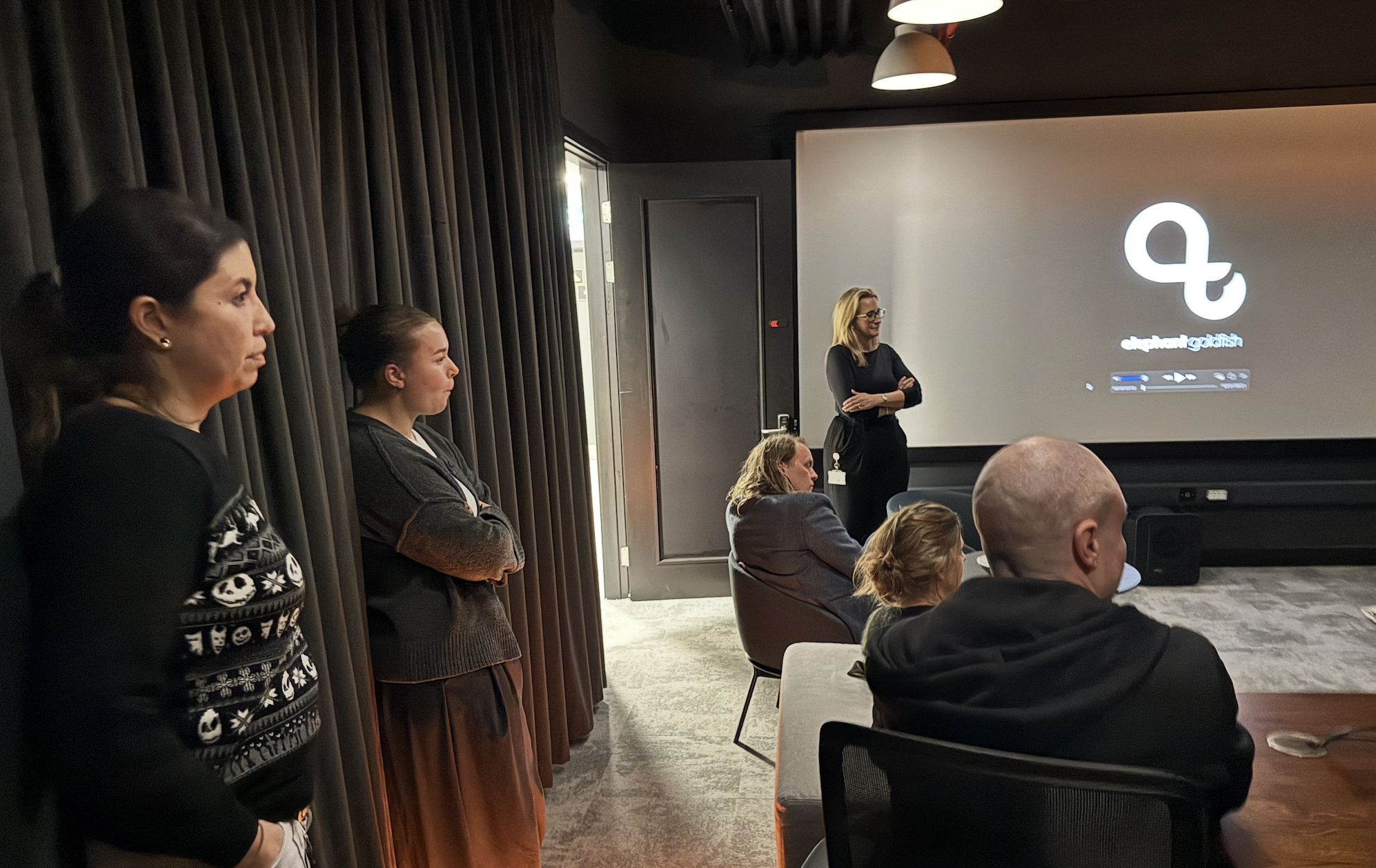
On a damp October Tuesday at Elephant Goldfish, Film Ireland’s journalists were introduced to the lesser-known world of VFX and post-production. The seasoned VFX team welcomed us into the viewing room, which boasted huge screens, Dolby Surround sound, and a newly renovated space filled with comfortable couches. It's here we met some of Ireland’s most talented colour graders, VFX compositors, skilled editors, and audio masters, who gave us a quick introduction to both the serious kit and the creative ambition at the ready.

Managing Directors, Deborah Doherty and John Kennedy, have years of experience and a wealth of connections to their names. Deborah takes on the uber-complicated logistics, running budgets, schedules, time zones, and development in partnership with Molinare Creative Group. And plans are big, big enough to raise the roof if a future plan to create Ireland’s first Dolby Theatrics Studio comes through. While John is VFX maestro and believes in shifting the post misnomer out of post-production.
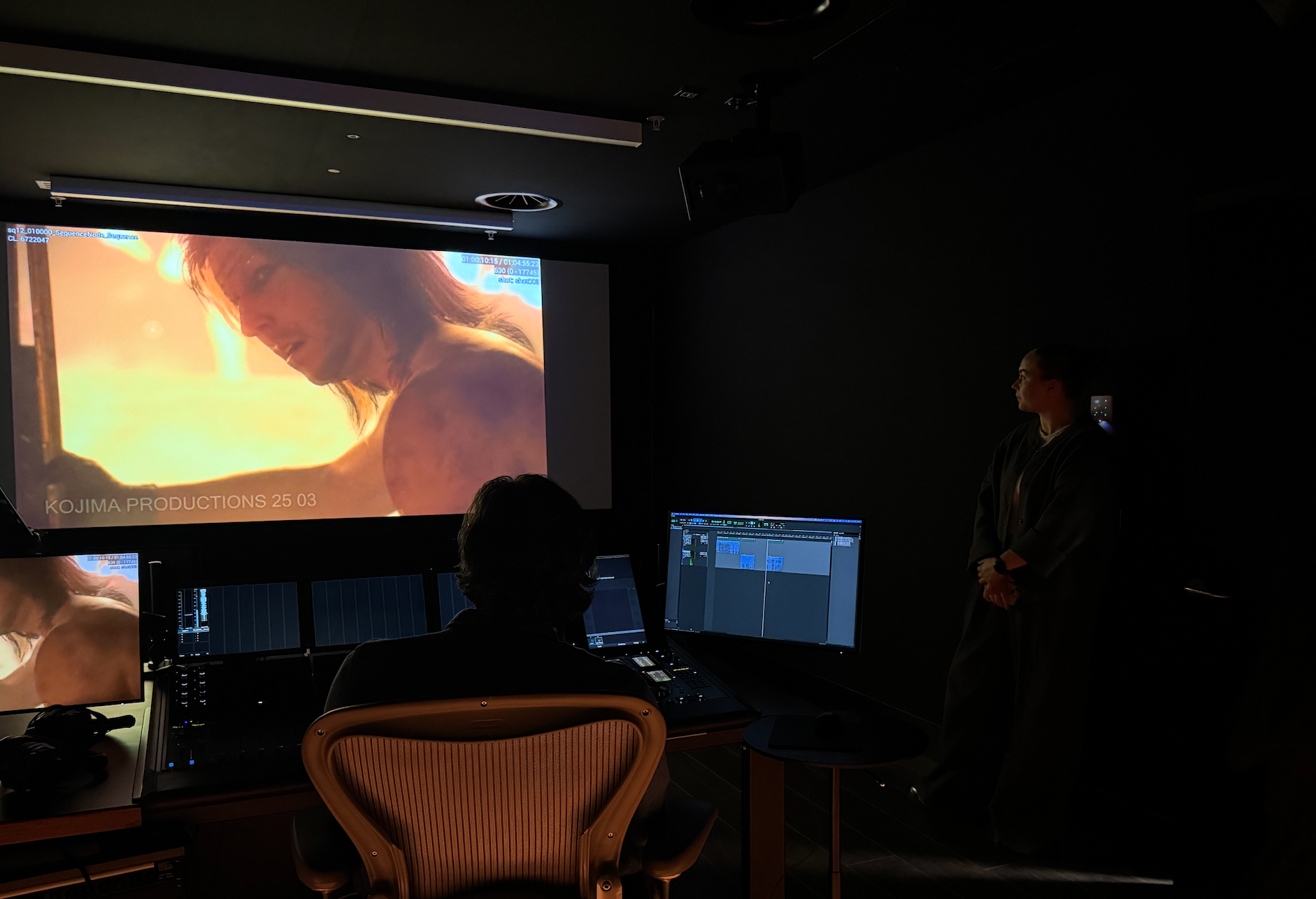
His preference is to involve VFX in the filming process early and often, transforming it into a pre/during/and-post production process. As a result, the Elephant Goldfish crew will often be found on set during filming. Their insights can save a bunch of time and production money through knowing how every element will affect the post later. For instance, sometimes it could be more efficient to leave a tree in shot and paint it out later, instead of taking half a day to re-light the scene.
There’s a big difference between saying ‘we’ll fix it in post’ and actually understanding how much and how long it will take to fix it in post. The sooner Directors and DoPs bring the VFX Team on board with scripts and budgets, schedules and shot lists, the better. Cinematographers benefit from graders being able to create looks from their camera and lens tests. On set, the grader can lock-up the look and feel of the final film, this can help the actors visualise the mood, the crew understand the vision, and, very importantly, it serves to settle the nerves of the Execs.
The team showed us a reel of their highlights, illuminating the hidden genius, we, as viewers, so often take for granted. Ever wondered how Nevermore Academy in Wednesday ended up in a dense, dark, green-spruced forest? It’s touches like these that breathe gothic drama into the popular Netflix series. Next, we’re brought on a terror-tour of Lee Cronin’s The Mummy. Cue throat-gouging scorpions and a Granny spewed guts forming a coyote-buffet and the power of visual effects literally has us on the edge of our (very plush) seats.
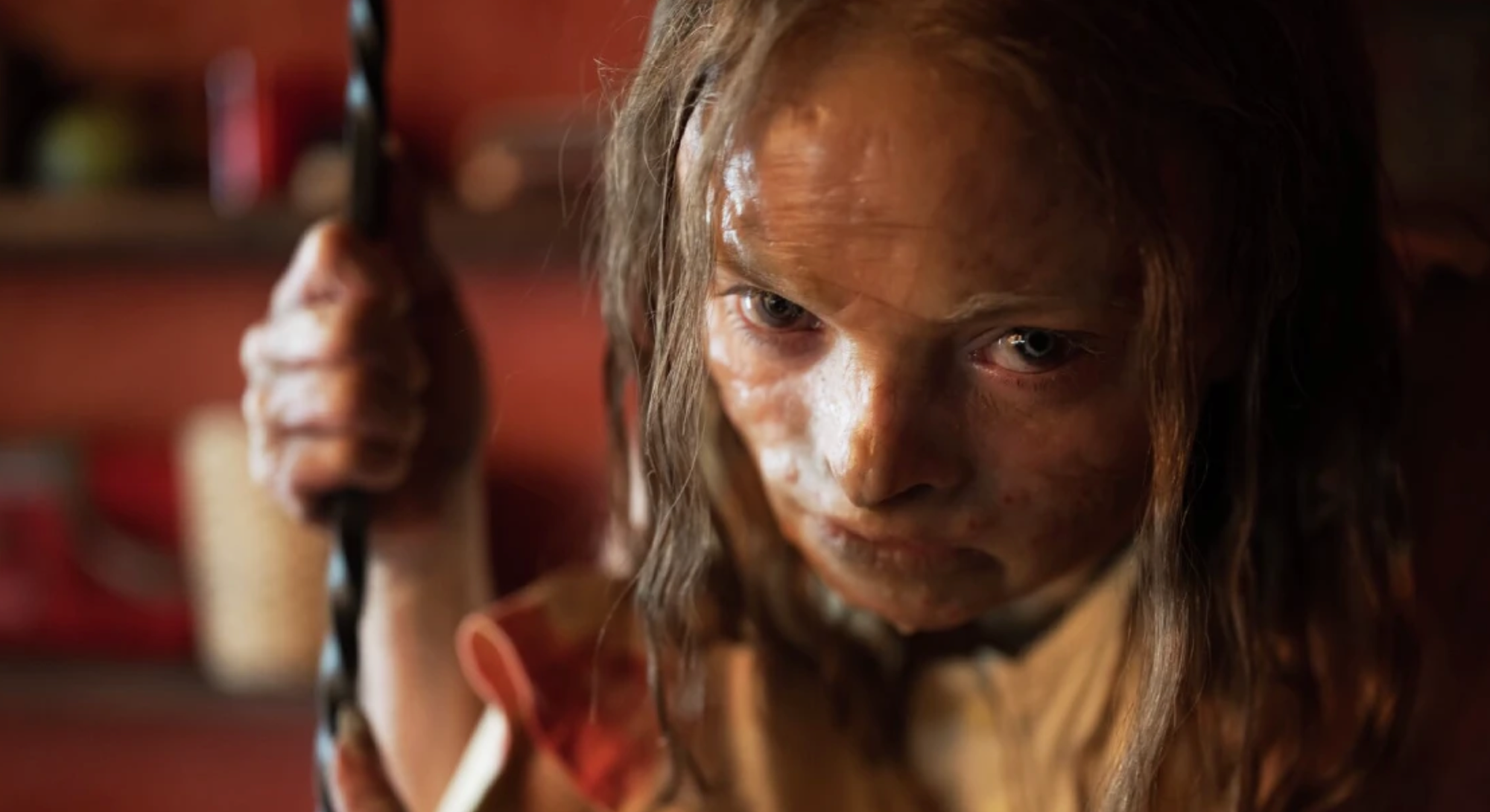
Apparently, in the script the Egyptian sandstorm was originally set to rage around the outside of the house. Then, as the crew began filming, the ambition grew for the storm to take place right inside the living room. In the finessed version, it rips down walls and tornadoes through sofas as it grew in malevolence. Ever resourceful, Elephant Goldfish helped to figure out a way to make this maelstrom a reality, saving the cast from being sandblasted outdoors along the way.
It’s this capability and vision that have seen Ireland become a premier destination for VFX around the world. As an industry, Irish talent boasts a VFX Emmy, VES Awards, and many Oscar wins, to name but a few. According to VFX Ireland the sector has grown by 320% in five years. Throw in a 40% film tax credit for films with a €1 million VFX expenditure, and the draw for international projects to locate here grows even stronger.
To capitalise on this upturn, a group of Irish post houses got a VFX Band together to tour LA with heads of Irish Post Houses joining forces to showcase our national creativity. At the launch of the updated tax credit Tánaiste Simon Harris said, “Ireland is already recognised around the world as a great place to make film and television. These new visual effects uplifts will help us build on that reputation by making Ireland even more competitive in attracting high-value productions."
On a local level, Elephant Goldfish is flying the flag too. Our welcome to its Bond-esque facilities is generous and enlightening, who knew giant babies could cry black tears or that gamer audio needed to be amped up to eleven? Éist, an Irish short starring Stephen Rea and directed by Roisin Kearney, recently completed post and they enjoyed a private screening in the production company’s swish viewing lounge. Deborah Doherty is a board member with Women in Film and TV too and advocates for greater gender representation throughout the industry. At the end of our tour, Deborah notes, “We’re building a culture-first studio, where talent feels seen, supported, and part of the creative process.”
A big thanks to Elephant Goldfish for hosting us and to Coimisiún na Meán for sponsoring the Film Ireland Mentorship Programme.
The Film Ireland Journalism Mentorship programme is supported by the Media Skills and Development Programme operated and administered by An Coimisiún.


