

Horror doesn't always lurk in the shadows. Sometimes it swaggers under a blazing sun. In yet another fabulous list, Conor Bryce explores nine sweat-soaked chillers where the heat is part of the nightmare.
“Hot as hell in here…”
“Yeah man, but it’s a dry heat!”
- Aliens.
Summer horror hits differently. Forget gloomy gothic castles and fog-strewn forests, this kind unfolds under a sun that doesn’t know when to quit. The air feels used up. Sweat stings your eyes. Heat becomes the monster’s partner in crime. Hell, sometimes it’s the monster itself.
To accompany this summer’s never-ending heatwave, here are nine of the sweatiest horror movies going. Perfect for those nights when the aircon struggles and the streets still feel oppressively hot, they’ll leave a salt ring on your t‑shirt and dust in your teeth, sticking with you - and to you - long after the credits roll…
247°F (2011)
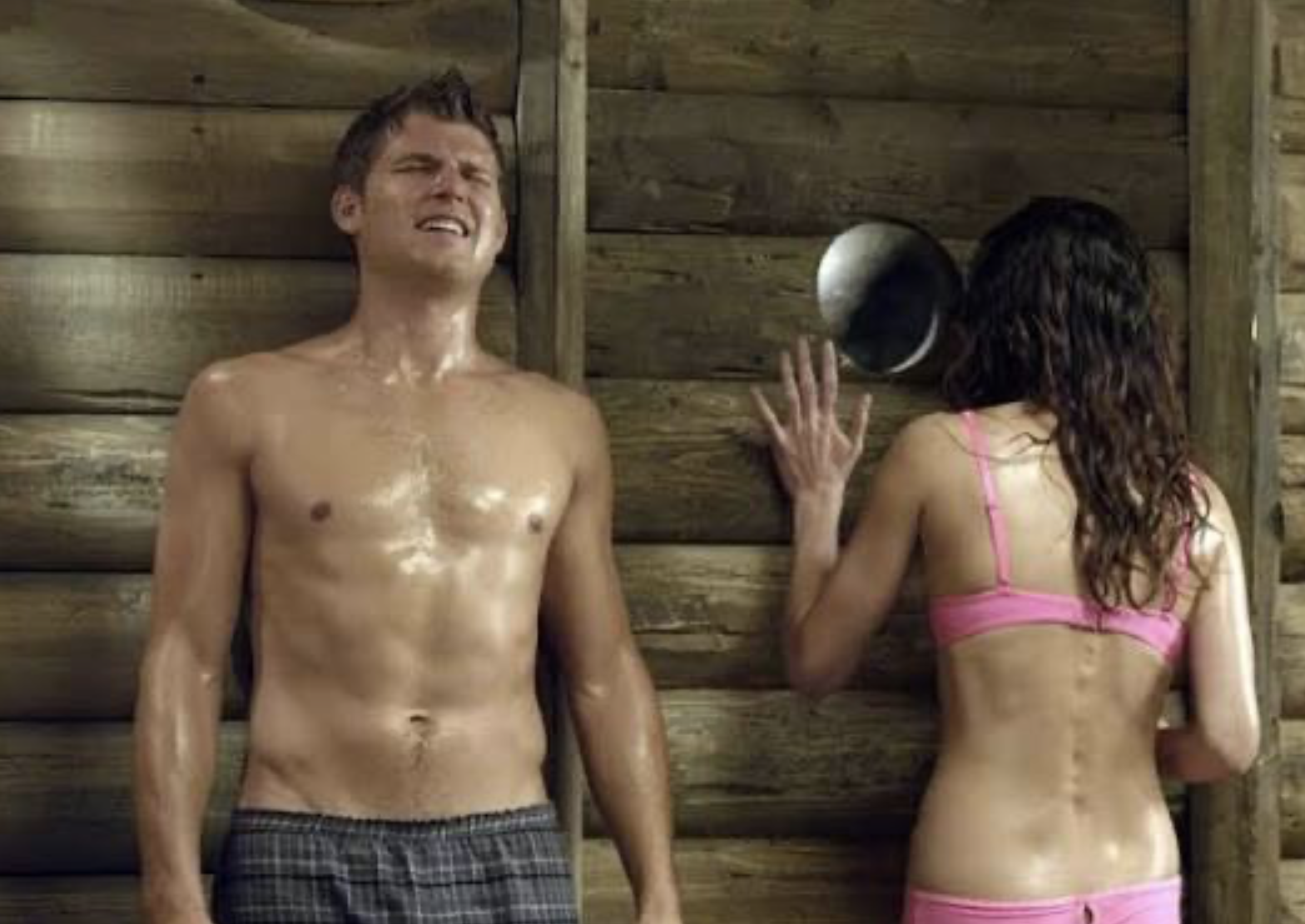
A bunch of twenty-somethings head out to a lake cabin for a summer weekend of beer and bad choices. After one argument too many, three of them end up locked in a sauna. The temperature’s stuck at a brutal 247 degrees Fahrenheit (get it?), their phones are outside, and so is any chance of rescue. Skin burns, breath catches, spirits wilt. Little annoyances flare into sharp, ugly fights in the heat. It’s not long before this cramped wooden box begins to resemble the one you’re buried in.
If you want sweaty horror, it doesn’t get much purer than this. Directors Levan Bakhia and Beqa Jgubruia keep things deliberately unglamorous - no supernatural threats, no masked maniac hiding in the woods. Heat is the villain, pure and simple. The walls close in, the air feels thin…soon you feel like you’re locked in there too.
247°F sits nicely alongside single-location ordeal films like Buried and Frozen, and shows how in the early 2010s we loved stripping horror down. Forget elaborate mythology or franchise seed-planting - this is a simple, cruel attack on the human spirit. Some summer-set frighteners want fireworks. This one just wants you miserable and overheated.
The Ruins (2008)
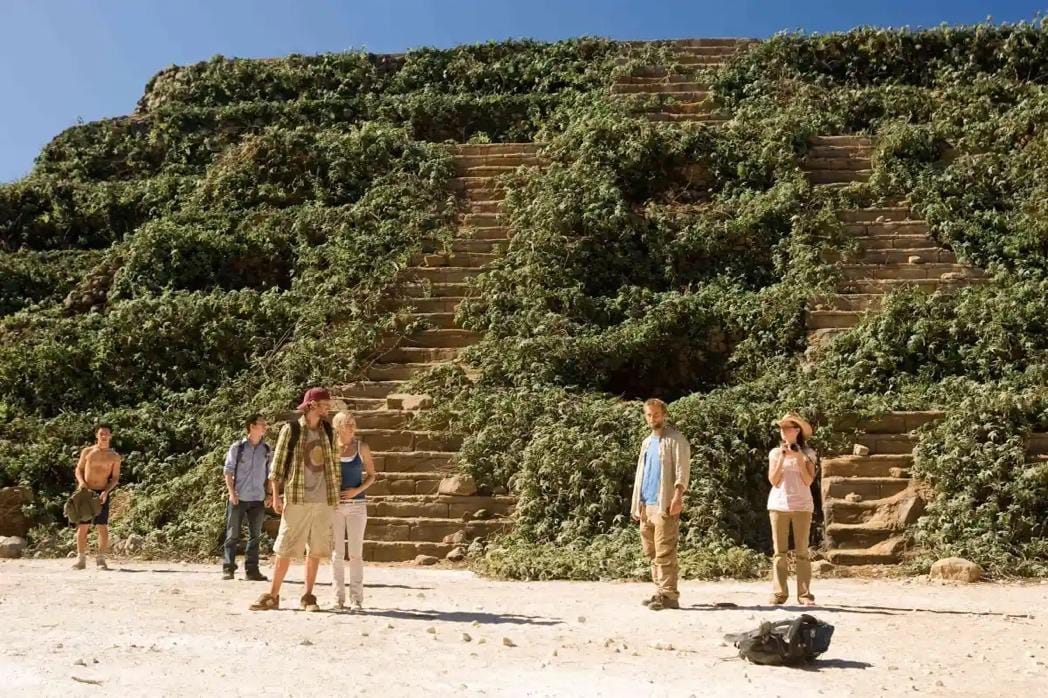
A carefree trip turns into a death sentence for four American tourists and a carefree German tagalong when they visit ancient ruins in the middle of the Mexican jungle. Beautiful and exciting at first, the group gradually realise that they’re trapped, and the vines surrounding them are hungry for more than just water and sunshine.
The heat in The Ruins is dense and inescapable. Once the group is stuck atop the Mayan temple, a double-layered siege begins - physical immobilisation by carnivorous flora and fearful locals keeping guard with guns, and mental unraveling driven by thirst, fever, and a relentless sun. Every attempt from the group to strategise is doomed from the get-go, their cognition and energy sapped away. Much like 247°F, the constant heat also amplifies emotions, making tempers thin and decisions rash.
Initially not a box office darling, The Ruins soon built a cult following among those who like their horror physical - chock-full of broken blisters, festering wounds and brutal, sweaty paranoia. Director Carter Smith cleverly doesn’t shy away from presenting the gorgeous tropical setting as a lethal trap, and the result is a nasty, slow burning nightmare where a hostile environment and a brilliantly creepy baddie team up to consume everything in sight - hope, trust, sanity…and flesh.
Cujo (1983)
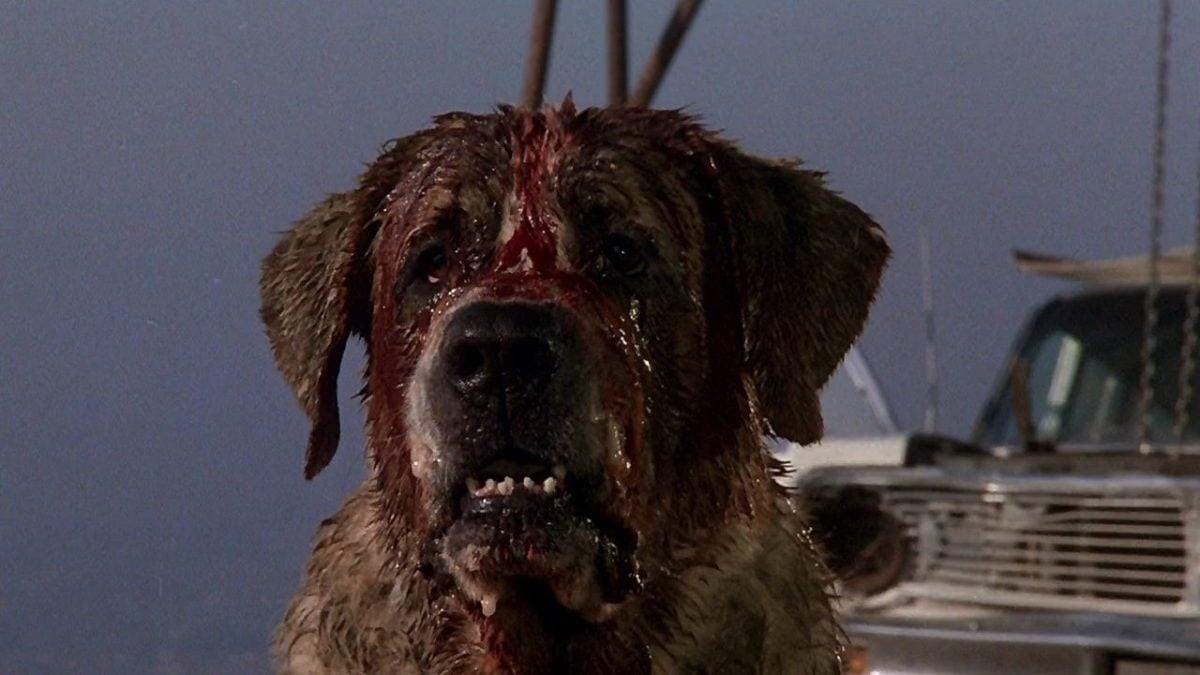
So you've got a lovable St. Bernard and a mother/son duo driving to a local mechanic for repairs. Then boom, the dog gets bitten by a bat and all hell breaks loose. Soon, Donna and her five-year-old Tad are trapped in their car, slowly roasting while the titular canine lurks nearby. You’re in Stephen King’s world, baby. What else do you expect?
From The Shining to Dreamcatcher, many King adaptations lean into dark and chilly dread. Not this one - it’s just heat and glare; an endless, boiling afternoon with no relief. The bulk of the action takes place in a car, parked on a driveway in the middle of nowhere. There’s no water, the engine is dead and the windows are up - you can almost feel your thighs sticking to the vinyl seats. Tad’s cries get weaker as the hours - and the temperature - climb. Donna’s fighting off more than a killer dog; she’s trapped in an oven on wheels. And you thought your trip to the beach in hot holiday traffic was stressful…
An often-overlooked gem in King’s cinematic universe, Cujo really commits to the situation’s bleakness, rescue always tantalisingly close but impossibly distant. It’s also one of the more simple, succinct adaptations of the maestro’s work. No killer clown, pale vampire or haunted hotel needed - just a big ol’ rabid dog and a metal coffin.
X (2022)
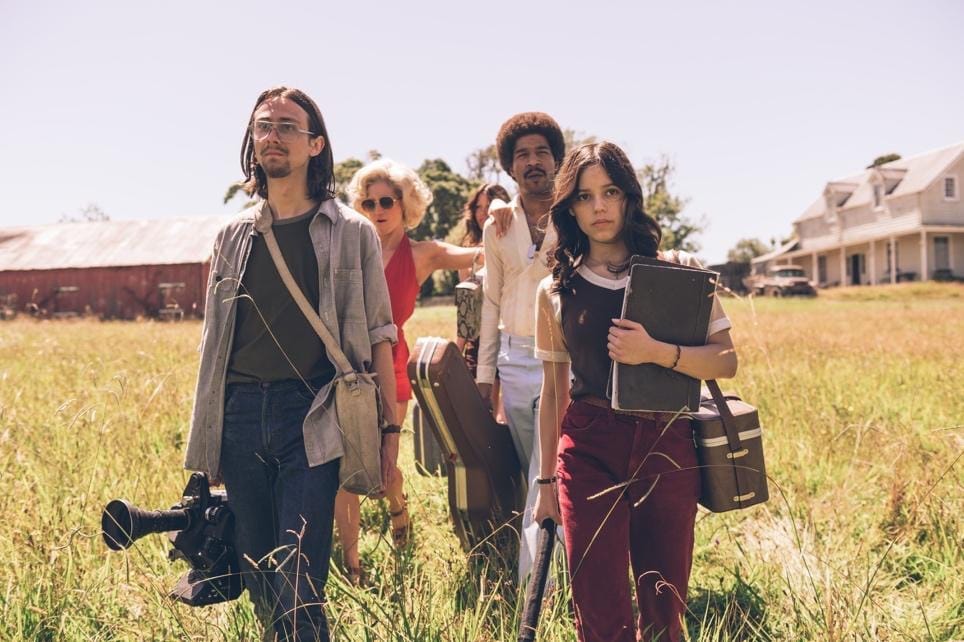
Horror stalwart Ti West throws a posse of porn filmmakers into rural ‘70s Texas. Holing up on an old farm, they dream of shooting something more artistic than your standard skin flick. The odd elderly couple who owns the property aren’t thrilled about the moaning coming from next door, and soon things spiral into a sun-bleached bloodbath.
That damn Texas heat dominates every frame. West shoots the rural landscape like a faded postcard left too long on a car dashboard - golden fields shimmer, cicadas hum, and the air looks thick enough to chew. Sweat drips off everyone between takes, and you can feel the heaviness dragging them down. West knows that heat like this stirs everything up - horniness, insecurity, envy - and dealing with these emotions in a fetid barn, a rotten kitchen, a still and stagnant pond, feels like sitting in a pressure cooker in head-to-toe fleece.
Like the Grindhouse movies that inspired it, X doesn’t need darkness to scare you. Dropping at the height of the cold, gloomy “elevated horror” boom, it reminds us that sometimes terror prefers to operate in stark daylight. And as blood gets splattered over parched farmland, you’ll swear you can hear it sizzling.
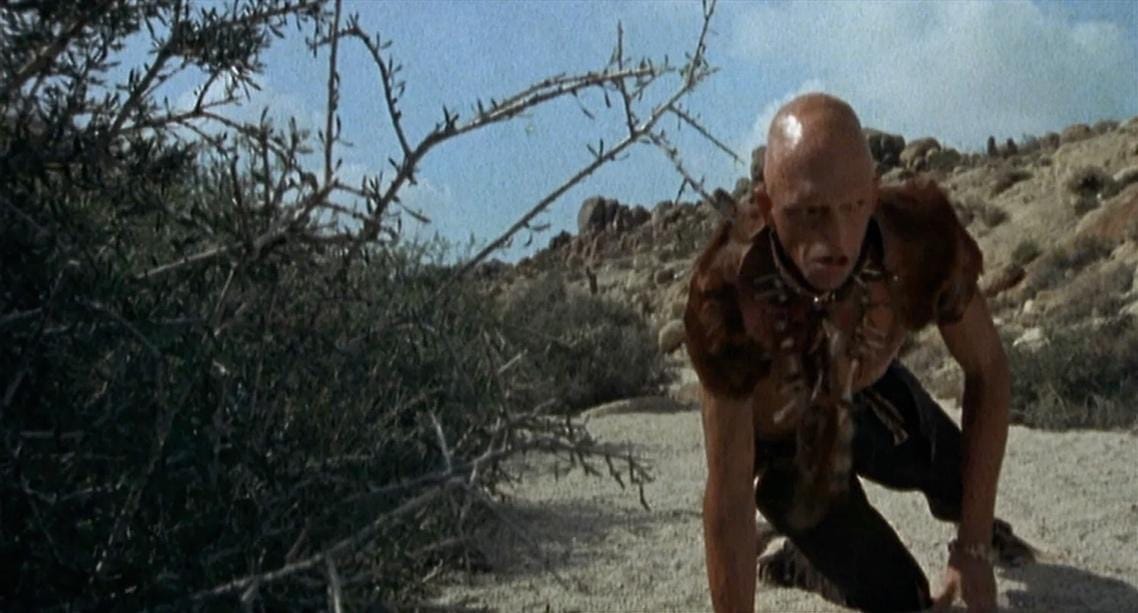
The Hills Have Eyes (1977)
Wes Craven’s pre-Elm Street nightmare strands a suburban family in a Nevada wasteland after their car breaks down. What follows is a brutal clash between the so-called civilised, and a feral clan living in the hills nearby. This is survival horror at its rawest.
The desert setting in The Hills Have Eyes is merciless. Craven uses wide shots to emphasise the exposure, the family tiny figures on a vast, indifferent landscape. There’s no shade, no refuge, just endless sand and rocks reflecting sunlight like a furnace. The Carter family stumble around, lips split, skin peeling. Any hope of help? Miles away…and you’ll feel every inch of the way with them.
The Hills Have Eyes set the bar for desert horror - everything from The Hitcher to The Devil’s Rejects owes it a hat tip. The 2006 remake cranked up the gore, but Craven’s original is still nastier. It’s an ugly, no-nonsense portrait of American apple pie stolen off the windowsill and left to rot in the desert sun.
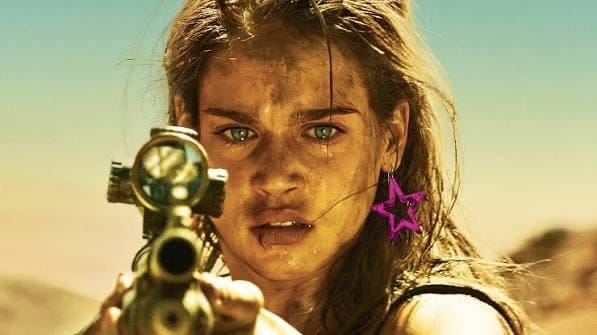
Revenge (2017)
Coralie Fargeat’s Revenge throws you headfirst into one woman’s nightmare - first with a little glitter, then a lot of grit. Beautiful young Jen visits her boyfriend’s luxury hideaway. After a brutal assault and a cold betrayal, she’s dumped and left to die in sun-seared wilderness. She survives, barely…and then turns hunter.
The sweltering setting feels hallucinatory - the sky an electric blue, horizon a wavy orange, blood pooling on the ground like thick, spilled paint. The heat is a furnace that forges Jen’s transformation from objectified victim to unstoppable revenant. She drags herself across burning sand, gets brutally impaled on a sun-bleached branch, sears her wounds shut with a beer can heated in fire. It’s brutal, stylish, and wild - no shying away, no soft landings.
Revenge is a wild and stylistic tour-de-force; the camera soaking in slick skin, squinting eyes and shaking muscles. Fargeat takes the rape-revenge formula and sets it on fire. What remains in the smouldering ashes is raw, operatic vengeance played out under a sun that never blinks.
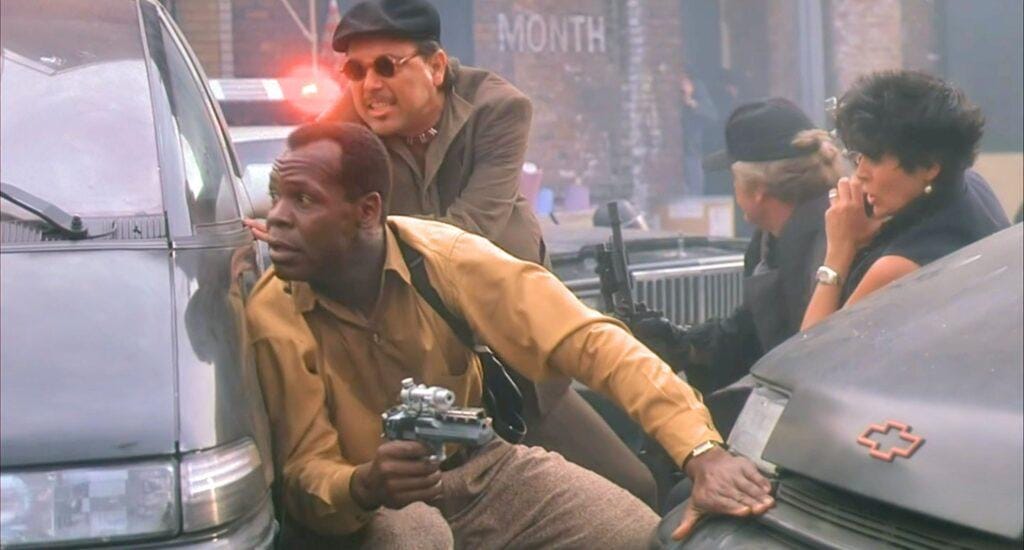
Predator 2 (1990)
In (what was then) a near-future 1997, downtown LA is melting. A heatwave grips the city while a war on drugs rages in the streets. Rival gangs run wild, cops are understaffed and overworked, and a ruthless alien hunter is on safari, literally and figuratively collecting as many heads as it can.
While the first Predator drenched us in a lush tropical heat, the sequel plays it clever by moving the chaos to a city on fire. Asphalt shimmers and sweat stains every inch of clothing, subway cars and penthouses become fresh slaughterhouses. Top cop Danny Glover wearily drags himself from alley to rooftop, trying to stop “what can’t be stopped”, while the Predator itself is right at home in the sweltering concrete jungle, picking off both police and perps for sport.
Predator 2 lacks the fresh bite of the first film, opting for flashy excess over primal simplicity, but its urban setting gave the franchise a clever spin that wouldn’t be bettered until 2022’s fifth installment, the brilliant Prey. It’s a sweaty, messy exploitation flick in sci-fi horror clothes, and is all the better for it. It’s also one of the most quotable movies around - from the epically bonkers ramblings of voodoo-practicing drug lord King Willie to the ‘old man yells at cloud’ rants from Glover’s permanently pissed off Mike Harrigan, there’s enough entertainment on hand to (almost) make you forget about how awful your work commute will be tomorrow…
Wake in Fright (1971)
John Grant just wants to get out of The Yabba - a tiny Outback town nobody would choose to stay in - so he can catch his flight and start his holiday. But as soon as he arrives, the place grabs hold. Next thing he knows, he’s stuck, drinking himself senseless, gambling, getting into fights, and baking under an endless, pitiless sun.
Watching Wake in Fright is like slipping into a fever dream brought on by sunstroke. The Outback around The Yabba doesn’t end. It’s a blazing, bug-infested stretch of nowhere, white-hot and buzzing with a billion flies. The town’s rituals - constant beer-swilling, animal hunts and contests of macho endurance - break down John’s morality with each drop of sweat shed. Night brings no relief, the same relentless heat under the cover of darkness making everything feel more desperate, more hopeless.
Wake in Fright changed Australian film for good. You can see its fingerprints all over movies like Razorback and Wolf Creek, anything that treats the Australian landscape with the fear and reverence it deserves. The Outback it portrays is a monster for the ages - a pressure cooker that fries your nerves and your soul. It’s tough, hypnotic, and will stick with you like mozzies around the rim of a tepid pint.
![The Texas Chain Saw Massacre [1974]: 4K Limited Edition Review - HeyUGuys](https://storage.ghost.io/c/0f/91/0f9194b0-1836-42ee-81b7-7c168efa2acc/content/images/2026/07/data-src-image-e138528c-a4ee-4e24-be24-3760e968bbab.jpeg)
The Texas Chainsaw Massacre (1974)
A group of friends take a road trip to check on a family’s final resting place. When their van runs low on gas they take a walk, and discover a ramshackle house surrounded by rundown cars. Soon enough they’re being hunted and killed off by a twisted clan of cannibals, leaving a single survivor trying to claw her way out.
Director Tobe Hooper doesn’t try to make The Texas Chainsaw Massacre pretty - by design, it’s rough as hell. You kind of forget you’re watching a movie at all. Instead, you’re dragged along, kicking and screaming, practically smelling the rust, the grease, the thick stink of the cursed family’s dinner table. It’s all bones, gristle and filthy leftovers; no safe spots, no letup. You’re never ready for what happens next - it just explodes in your face, then keeps on exploding. Endless sweat, grime, and the kind of terror you can’t wash off.
The Texas Chainsaw Massacre earns its reputation not simply as a horror classic, but perhaps the definitive sweaty horror movie. It drags you to hell, bolts the door and starts the chainsaw. An unrelenting, visceral study in how to make an audience wilt…and not just in fear.


