

In this article, Conor Bryce explores the evolution of queer identity within the horror genre, tracing its journey from coded subtext to bold, contemporary expression, and examining how these films have reshaped the boundaries of fear, desire and representation.
Long before studios were willing to include the word “gay” in a screenplay, the horror genre was smuggling queer stories into cinemas; in monsters, alter egos and forbidden transformations. In early entries, queerness was often coded as threat. Hollywood’s Production Code went to great lengths to portray difference as dangerous (and usually dead by the final reel), but alternative audiences watched anyway, striving to spot a glint of their own sexuality in the sly symbolism.
By the time we got to the 1980s, the temperature had shifted. The AIDS crisis cast a long, grim shadow, and horror became a way to process the fear it caused. But filmmakers also began dragging subtext into the open. Queer horror stopped being an interpretive exercise and became a creative method of declaration. Directors who grew up feeling on the outside finally got to speak up. Suddenly, queerness wasn’t just a metaphor or a joke - it stood front and center, part of the story’s core.
Now, things are shifting again. Queer characters aren’t just sidekicks or tragedies; they’re leads. They live. Sometimes they’re both the monster and the moral compass. Directors feel the freedom to experiment with gender, desire and identity in ways that just weren’t possible before. Horror’s always been open to change. It gets secrets, and it understands what it’s like to not fit in.
Queer horror has its own flavor. It can freak you out, make you laugh, and get under your skin, sometimes all at once. There’s room for glitter and grimness, liberation and the price that comes with it. The range? That’s what makes the subgenre work so well. The movies discussed below want to scare you, but they’re also unafraid to get deep; digging into shame, loneliness, and what it feels like to finally be seen, even when the thing looking back is hungry.
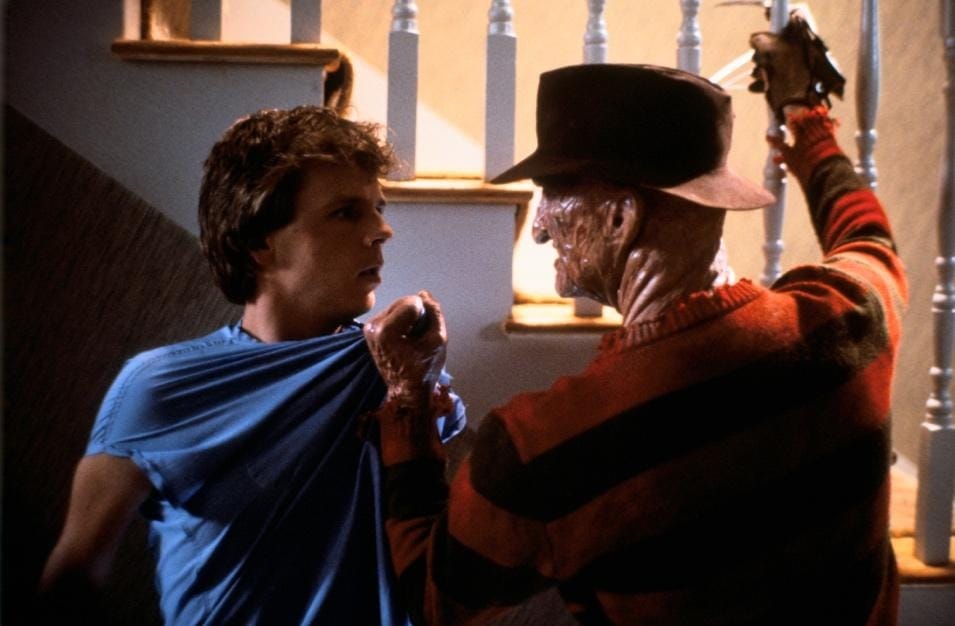
A Nightmare on Elm Street 2: Freddy’s Revenge (1985)
There’s a reason discussion of this one persists. Set five years after the original Nightmare, the sequel introduces Jesse Walsh, a teenage boy who moves into Elm Street and begins experiencing violent sleep disturbances. Razor-fingered Freddy Krueger wants out of dreamland and into Jesse’s body. The method? Possession. The result? One of the most accidentally queer studio horror movies ever made.
Critically mauled on release, it has since been reclaimed as a cornerstone of LGBTQ+ horror, and audiences now recognise the metaphor. Freddy represents internalised shame - the terror of something inside you that society insists is wrong, the dread of exposure, the violent backlash when repression fails.
Jesse’s arc reads like a coming-out panic attack. He rebuffs his sweet girlfriend Lisa, seeks comfort in his male friend Grady, and in one scene ends up in a leather bar being barked at by his sadistic gym teacher. New Line Cinema insisted at the time that any queer subtext was unintentional, but lead Mark Patton later spoke candidly about how well the movie mirrored his own experience as a closeted gay actor in Reagan-era Hollywood.
Is it messy? Definitely. It can’t decide on its tone, the dreamscape rules keep changing, and poor Lisa gets stuck with the classic horror job of “healing” the hero with straight love. Some of the lines are painfully on the nose (“Fred Krueger! He’s inside me, and he wants to take me again!”). Still, very few horror movies from big studios caught the sweaty terror of being a queer teenager as well as this one. Freddy’s Revenge started out as a weird studio misfire, but today it stands as a fun, campy classic with real substance.
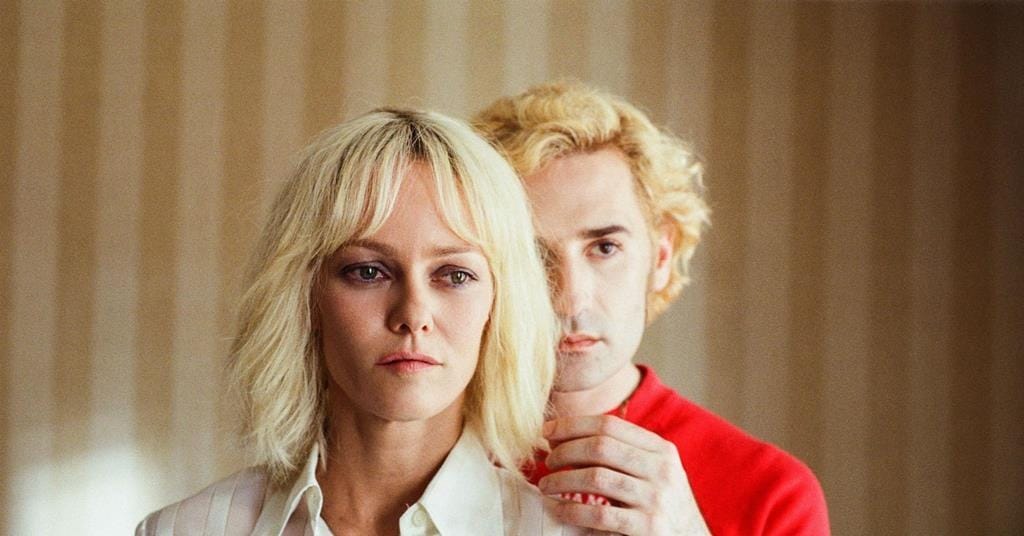
Knife+Heart (2018)
Yann Gonzalez’s Knife+Heart is wild and wounded, a trippy, neon-lit valentine to queer cinema and Giallo, the super atmospheric Italian horror subgenre. Set in late‑1970s Paris, gay porn producer Anne (Vanessa Paradis) sets out to make her most ambitious movie yet, but her actors start getting picked off by a masked killer prowling the set.
There’s a reckless thrill with a thoughtful chaser pulsing through the movie. Instead of shying away, Gonzalez leans right in with his depiction of male-on-male intimacy; making it playful, alive and - critically - ordinary. The porn production - often treated in cinema as either joke or sleaze - is presented as a form of labor and expression, people building something together, trying to turn desire into art that pays the rent. At the same time, the killer represents the dark corners of queerness - the vulnerability of gay communities, the spectre of violence that so often accompanies ‘outness’. Set just before the AIDS crisis would devastate these same circles, it all carries an undercurrent of impending loss. You can feel it building. This world can’t last.
Similarly, Anne may look glamorous, but the cracks keep showing through. She’s unraveling after breaking up with Loïs, her lover and editor. She drinks too much, sabotages herself, refuses to let go. She hurls herself into her work - equal parts professional and desperate - before violence crashes the party, dangerous and campy, a killer in leather with a switchblade tucked into a sex toy.
The movie carries a real sense of community throughout. The production crew form a makeshift family with Anne at its centre. They tease each other between takes, treat the studio like a safe space. That emotional texture keeps Knife+Heart from collapsing - it may be channeling an exploitation style, but it also celebrates what cinema so often treated as deplorable.
Knife+Heart is unabashedly erotic. Men flirt and hook up, and no one bats an eye. Their pleasure isn’t the problem, the real threats (including the killer) are coming from outside - secrets, past wounds, a society that twists shame into violence. Gonzalez dials up the style, channeling old ‘70s Grindhouse movies with a modern, self-aware cheekiness underneath. And while he celebrates the movie’s queer characters, he’s not afraid to ask tough questions about the repercussions of filming their lives, turning private moments into spectacle. What does it mean to take queer desire, press record, and sell it off? Does the camera protect these lives, or does it expose them to something worse?
Knife+Heart is more than just a modern riff on a beloved subgenre. You rarely see horror movies that are bold but tender, unapologetically queer but subject matter sensitive. Gonzalez lets Euro-style collide with honesty, and the result is a fearless elegy.
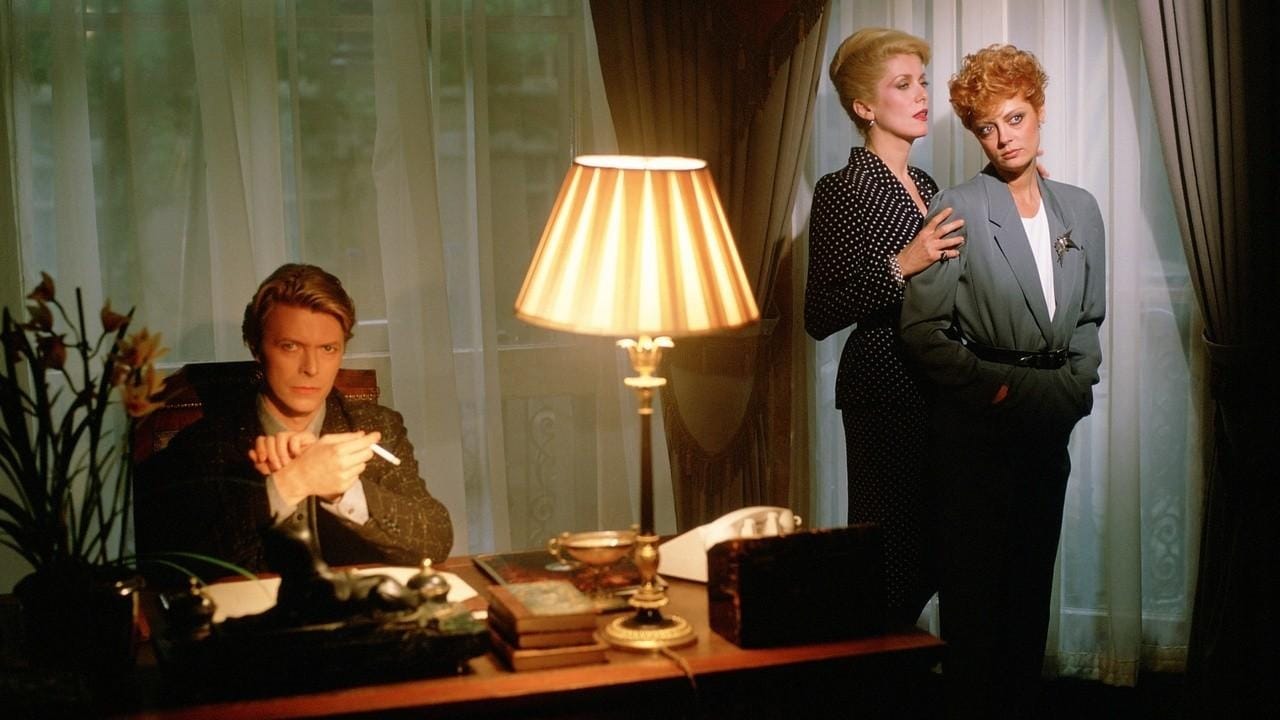
The Hunger (1983)
Tony Scott’s feature debut is sleek, smoky and drenched in longing. Catherine Deneuve plays Miriam, an ancient vampire drifting elegantly through New York’s art scene. Her lover John, (David Bowie, who else?), discovers that the immortality Miriam granted him has a catch - while eternal life is granted, eternal youth is not, and he begins to age rapidly. He seeks out the help of Susan Sarandon’s Dr Sarah Roberts, who is soon drawn into Miriam’s dangerous web.
The Hunger luxuriates in style; every frame dipped in perfume and menace. Bodies glide through trendy minimalist apartments. The music of gothic rock band Bauhaus pulses in nightclubs (they also appear in the movie’s opening scene). Feeding on blood here feels sensual rather than scary, with the horror instead stemming from immortality’s cost - those who are at first cherished are eventually discarded and forgotten when they wither and rot.
Bisexual desire is explicit, not hinted at or symbolised. Miriam seduces Sarah in a scene that caused pearl-clutching on release but now plays as tender and hypnotic. Deneuve commands the screen with icy poise, while Sarandon is all understated vulnerability and believable awkwardness - they’re a perfect dichotomy.
Back in 1983, critics mostly derided it as glacially paced style over substance. It does move at its own languid rhythm and is undeniably glossy (noticeably similar to Top Gun, Scott’s homoerotic masterpiece), but that’s the point. It slowly lures you in with the allure of the vampire’s promise but leaves you with the ache of knowing it won’t last. It’s gorgeous, lonely and biting. And its influence has endured - after The Hunger, queer vampires were on our screens to stay (see below), and portrayals of sexuality in the horror genre got more diverse and honest. Made in a decade obsessed with punishing what it feared, that’s a worthy legacy.
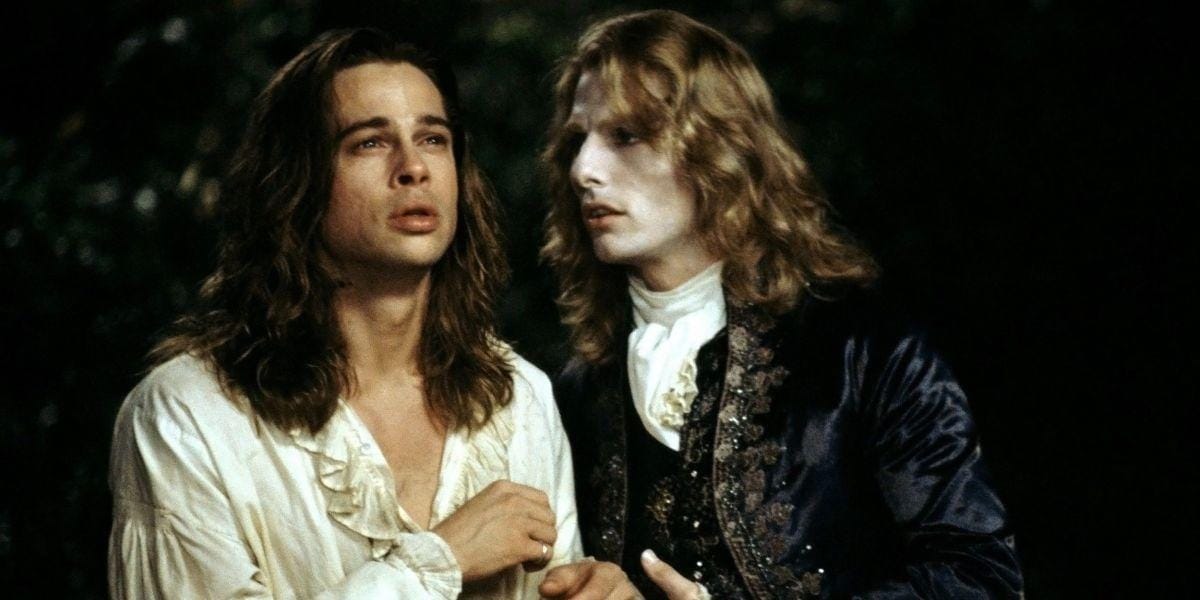
Interview with the Vampire: The Vampire Chronicles (1994)
The Hunger walked so Interview with the Vampire could strut. While Tony Scott’s effort focuses on sleek ‘80s Manhattan interiors, Neil Jordan’s adaptation of Anne Rice’s novel spans centuries and continents. Both centre queer intimacy within the vampire mythos, but Interview turned that intimacy into a sprawling gothic epic.
Louis (Brad Pitt, one of his best), a plantation owner grieving his family in plague-ridden 18th-century New Orleans, is seduced, bitten and turned by the flamboyant and ruthless vampire Lestat (Tom Cruise, his actual best). Louis’ transformation is less a fall into damnation than an ill-advised invitation to Lestat’s secret, sensual world. Their relationship plays like a doomed marriage. They bicker over feeding habits. They ‘adopt’ child vampire, Claudia (portrayed with eerie maturity by a ten year-old Kirsten Dunst), changing the dynamic into a family unit.
Grief, resentment and longing drive the narrative more forcefully than any traditional threat to their vampiric existence. Lestat craves devotion and an equal to his predatory nature, while Louis is tortured with the guilt of turning Claudia and the existential despair of eternal life. The movie also taps into a specifically queer tension - the joy of finally finding someone who understands your differences being overshadowed and corrupted by the pain of being bound to them in secrecy, an existence lived in shadows, dependent on codes and rituals.
Crucially, Interview does not cheaply romanticise its central relationship. Lestat is manipulative, possessive, often cruel. Louis is self-righteous, contradictory, often melodramatic (“Oh Louis, Louis. Still whining, Louis” Lestat complains after centuries in his company). Their relationship is realistically corrosive, the way even the strongest of couplings would curdle when neither partner who has plans to address or work on their own flaws.
Released at a time when studio movies rarely centred on queer desire, Interview with the Vampire refused to apologise for the homoeroticism at its core. For queer audiences in the mid‑1990s, that mattered. They could watch a big-budget mainstream epic in a multiplex and see intimacy between men framed as tragic romance rather than moral failure. Louis is not self-hating because of his yearning, Lestat not monstrous because he loves men. Years later, it remains one of the best vampire movies ever made, giving us one of cinema’s most fascinating couples. Strip away the powdered wigs and fangs and what remains is a grounded tragedy about a love between two men that refuses to die, even when it should. And in giving Lestat and Louis’ story a commercial platform, Interview with the Vampire claimed a lot of ground for queer horror.
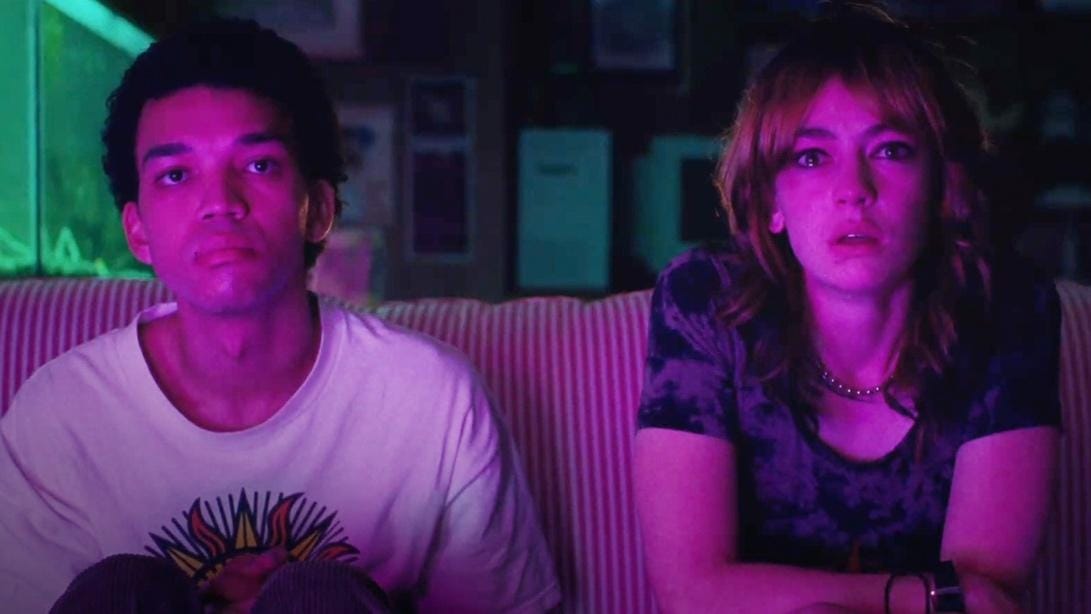
I Saw the TV Glow (2024)
Jane Schoenbrun’s follow-up to the delightfully batty We’re All Going to The World’s Fair stands out as a quietly revolutionary entry into queer horror. It’s absolutely soaked in ’90s coming-of-age vibes but never loses focus on what it wants to say - how it feels to be alone in a world that doesn’t seem to care, and what it means to finally figure out who you are. Devoid of jump scares or hissable villains, this movie still lingers with you, saying with a frank honestly that it’s tough out there for queer kids trying to find themselves when everyone acts like they’re invisible.
It follows Owen, a painfully shy suburban teenager who forms an intense friendship with Maddy, an older girl. She introduces him to The Pink Opaque, a late-night supernatural television series about two teenage girls with psychic powers fighting monsters. It feels eerily personal to Owen, and what starts as shared obsession slowly becomes something more troubling - a mirror held up to a life that does not fit; the slow, suffocating terror of living out of alignment with yourself.
What really stands out about I Saw the TV Glow is how it explores the trans experience with subtle, knowing grace. Owen drifts through scenes, feeling out of place but not knowing why. Maddy is the first person to offer him a safe space to explore his feminine side. And while Owen has knowingly assimilated into his repressive, mundane existence, Maddy represents the bravery needed to escape hers and live authentically, even if it is painful.
TV is an anchor for them both. If you grew up queer - especially with no words for what you were feeling - pop culture was often the only roadmap. Shows like The Pink Opaque made it feel possible that secret worlds existed, that change and transformation were happening somewhere. But that comfort has a price. Staying safe in front of the screen is easier than stepping away from it. And if you’re not careful, as you watch the make-believe world unfolds, your own life will stop.
I Saw the TV Glow is a lament to a life unlived. It leaves us with an image of longing that feels deeply personal (Schoenbrun is transfeminine and non-binary themselves) - the ache of knowing another self was possible, glowing just out of reach. As queer horror, it is radical in its softness. It hums steadily, like a television left on in a dark room - casting light, but not quite enough to live on.
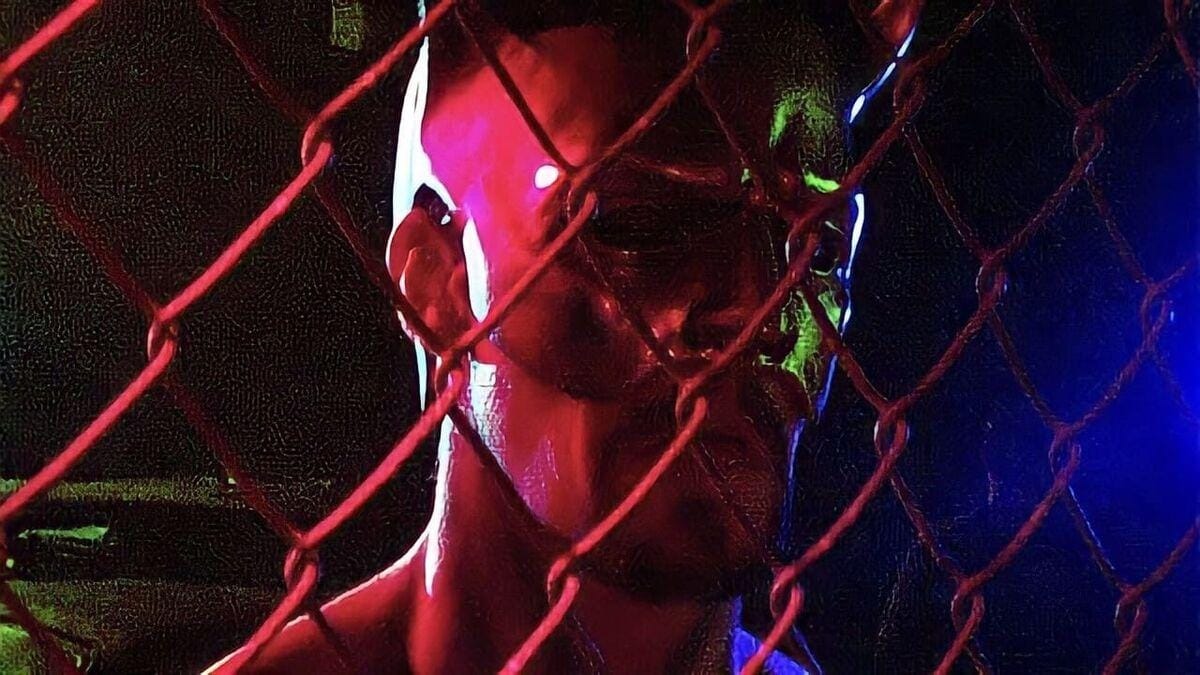
Hellbent (2004)
Paul Etheredge’s low-budget banger poses a simple but radical idea: what if queer characters in slasher movies were not the coded subtext, doomed sidekicks or comic relief, but the entire centre of the carnage?
Much like Knife+Heart and I Saw the TV Glow, the plot is a comfortingly familiar throwback, this one to the 1980s. A masked, knife-wielding murderer stalks the streets, targeting a group of beautiful young friends - headed by Police technician Eddie - attending West Hollywood’s Halloween Carnival. When bodies begin to pile up, the usual beats kick in. Splitting up. Ignoring warnings. Assuming everything will be fine because it always is in the movies.
The friends flirt, bicker and obsess over dating prospects in ways that feel recognisable. The killer does not target them because they are gay, he targets them because…that’s what masked slashers do. The movie also has a sincere streak a mile wide. There is affection in the way it sketches West Hollywood nightlife, from crowded dance floors to drag performers to themed parties. It feels like a love letter to a specific community at a specific moment. The Halloween backdrop helps - queer culture has long understood the allure of masks and alter egos. Hellbent leans into that with affection. That feeling of togetherness gives the violence a sharper edge. When friends vanish, the loss feels personal rather than symbolic.
Hellbent’s importance lies in its perspective. It was one of the first horror movies marketed explicitly as a “gay slasher” but importantly, the director and cast went to lengths on the press junket to ensure this wasn’t interpreted to mean it was a camp spoof or tragic cautionary tale. It allowed queer men to occupy archetypes usually reserved for straight characters. The shy Final Girl Boy, the cocky best friend, the flirt who may or may not make it to sunrise. Watching them navigate danger without the script focusing on their sexuality feels revolutionary, even now.
By the final confrontation, the movie leans fully into genre mechanics. It has a classic slasher ending, but maybe that’s the point. Hellbent didn’t reinvent the slasher wheel, but it carved out space in the subgenre for a gay audience. For that alone, it earns its place on this list.
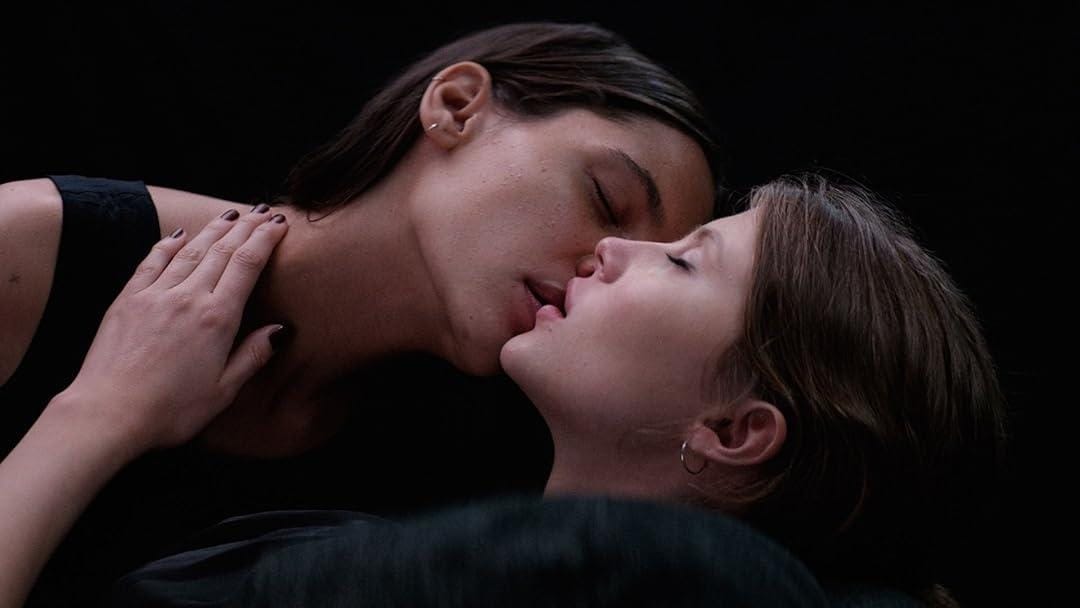
Thelma (2017)
Joachim Trier’s supernatural horror is a haunting, atmospheric exploration of identity and desire. Set in Oslo, it follows the titular young woman as she grows up under the thumb of deeply religious parents. Thelma is a girl who’s always been told to be good, quiet, obedient; a life where fear and shame are baked in. Then she hits university and meets Anja, desire cracks her world wide open, and terrifying psychic powers start to manifest.
There’s something fresh and exciting about how Thelma handles repression. This is a movie about a forbidden longing so tightly suppressed that when it finally surfaces, it warps reality itself. When Thelma desires something - or someone - intensely enough, people vanish. Events rewrite themselves. She has been made to fear her own heart so deeply that it has become a force beyond her control.
Religion as an oppressive force is explored too, and handled with more nuance than most horror movies manage. Thelma's parents are frightened people who believe they are protecting their daughter from herself, not cartoonish, Bible-thumping villains. The cage they’ve built for Thelma was constructed from misguided love, which tragically makes it harder to break.
Thelma sticks to the small, real details. The connection with Anja unfolds in glances held a second too long, in tentative touches, in the quiet relief of finding someone who sees you without judgment. The connection is a threat to the warped morals of her parents and their faith, but it isn’t made into a spectacle. That realism grounds the movie’s supernatural elements, making the romance the emotional anchor of the story, and the quiet heartbeat beneath the otherworldly terror.
As a piece of queer horror, Thelma is devastatingly precise. It gets what it feels like to grow up gay in a strict religious setting - how desire becomes something you’re taught to fear, how the mind tries to shut out what the body wants. Thelma takes all that anxiety and turns it into something raw, sharp and weirdly beautiful. It’s a movie that lingers long after the credits roll, wrestling with the real cost of living a life in hiding.
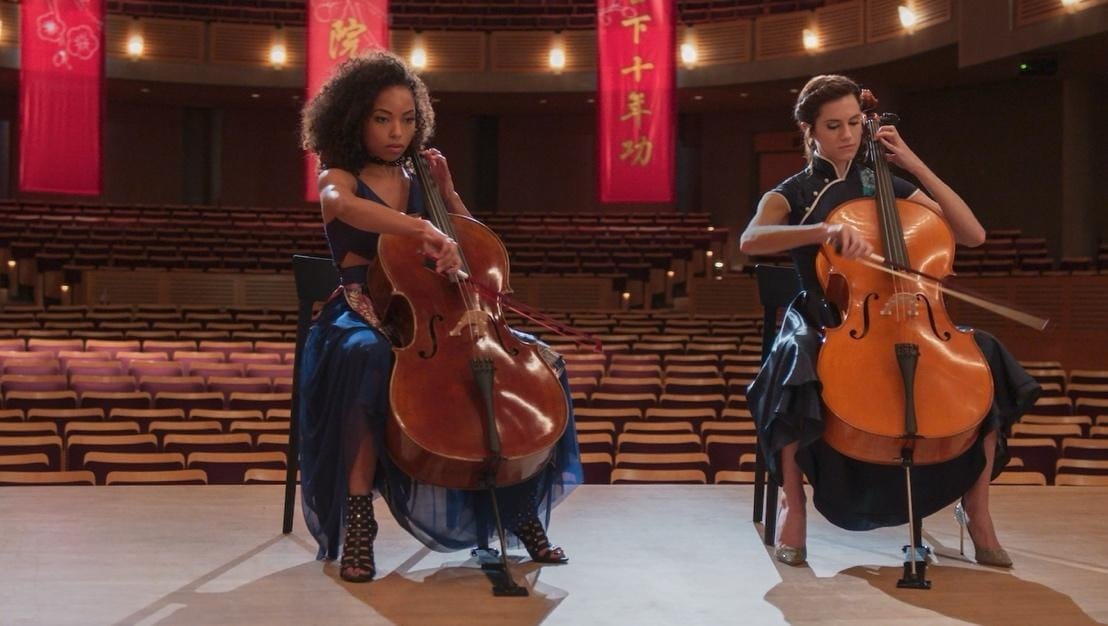
The Perfection (2018)
The Perfection takes you on a wild, uneasy ride built from obsession, trauma and raw desire. It doesn’t bother with polite introductions. You just get dropped into Charlotte’s orbit - a fallen cello prodigy - right as she crashes back into the life of Lizzie, her former mentor’s prized student. From there, things get tangled fast: secrets unravel, trust turns inside out, and you’re left asking yourself where love stops and cruelty begins.
What sticks out about The Perfection as queer horror is how it leans into the mess. Charlotte and Lizzie’s connection is a wildfire, shifting from devotion to betrayal to vengeance without warning. These are complicated, flawed people with brutal histories and motivations you can’t break down in a neat 90 minutes.
Director Richard Shepard mixes revenge thriller, body horror and psychological suspense with finesse, but he keeps everything anchored to the relationship between Charlotte and Lizzie. Their bond begins with obsession and manipulation, shifting to competition, before evolving into a means of survival, then eventual (phew) solidarity. The movie is unafraid to say that this Molotov cocktail of emotions can co-exist in the same relationship, and anyone who’s ever wrestled with questions of trust and control, or struggled with simple categorizations of victim and villain, lover and enemy, can feel the truth here - that’s what makes it resonate, especially for queer viewers.
It’s not a perfect movie. Sometimes it seems to throw in shocks for shocks’ sake, and the multiple twists don’t all work (one in particular feels unnecessarily sordid and excessive). But its chaos isn’t accidental, true to the jagged lives and inner worlds of its characters.
At its heart, The Perfection digs into what it’s like to live with queer trauma - how the vulnerability of being seen, only to then have your trust ripped in two results in a tangle of fear and hope, pain and resolve. It asks you to face ugly, deeply human realities, and doesn’t pretend to have all the answers. By refusing to sanitise its story, it sketches out fresh ground for queer horror - impulsive, messy and painfully alive.
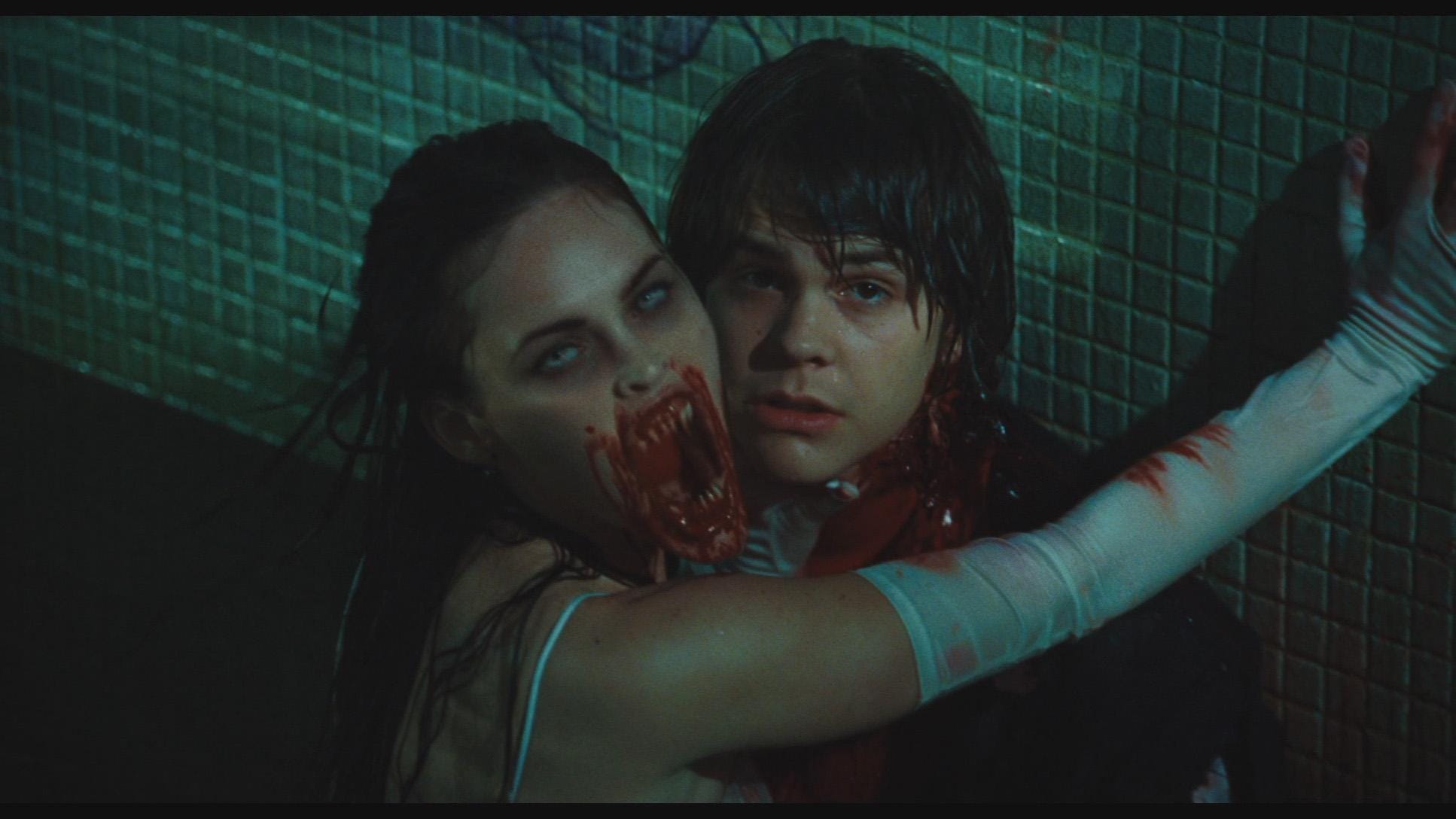
Jennifer’s Body (2009)
Marketed poorly as the horror equivalent of frat-bro comedies like American Pie, Jennifer’s Body tanked on release. But Karyn Kusama’s 2009 horror has since been rightfully accepted as a razor-sharp exploration of desire and co-dependency, patriarchy and possession.
The movie follows Jennifer Check, a high-school queen bee possessed by a demon after a botched satanic ritual by an indie band. Needing to regularly feed on boys to survive, Jennifer grows more powerful and more reckless, while her best friend Needy tries to STOP THE MADNESS.
While Jennifer’s transformation is a full-throated, blood-soaked rebellion against the high-school’s male gaze, Needy’s arc is subtler, exploring the cost of loving someone who gives you fulfillment, but destroys anything and anyone else in their way. Their friendship is intimate and complex, but the movie doesn’t punish them for it. A much-discussed scene with a shared kiss isn’t portrayed as titillating or - worse - immoral, but as a messy, human spill of mixed emotions. And while Jennifer progressively loses her humanity as she devolves into her demonic final form, the real villains are clearly ignorant, mediocre men chasing fame. The band sacrifices Jennifer while mistakenly believing she is a virgin, causing the mayhem and carnage that follows. Attempting to commodify a body for fame without consent, assuming they know better than a woman despite not realising - or seeking - the truth. Sound familiar?
The movie’s legacy is visible in the enduring thread of horror centred on female rage, acting as a worthy spiritual successor to trailblazers like Carrie and I Spit on Your Grave, and inspiring future standouts like Revenge and Saint Maud. Queer readings have only strengthened with time, portraying Jennifer and Needy’s bond as a tragic love story, refusing to frame it as a punchline or a ‘phase’. Jennifer’s Body also stands as proof that queer horror does not need to be solemn to be significant. It can be funny, horny and vicious, and still say something that endures.
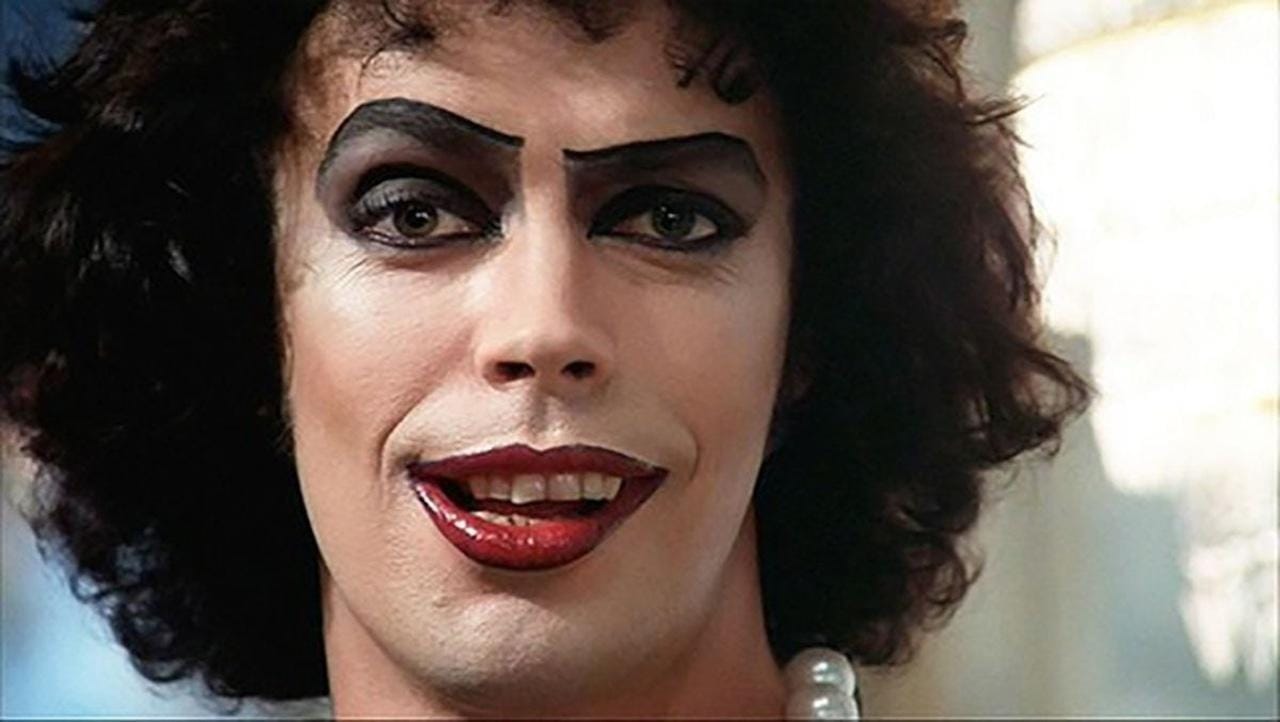
The Rocky Horror Picture Show (1975)
Speaking of funny and horny, here comes the funniest, horniest horror of them all. And while most entries on this list use subtext and subtle metaphor to explore themes of gender and sexuality, The Rocky Horror Picture Show bursts onscreen in an explosion of black lipstick and fishnets, inviting anyone who’s ever felt different to sing, dance, SHOUT along.
Jim Sharman’s glam‑soaked oddity begins with the most innocent of set‑ups: conservative sweethearts Brad and Janet get a flat tyre on a dark and stormy night, and wander into a castle in search of a telephone. What they find instead is Dr Frank‑N‑Furter, a “sweet transvestite from Transsexual, Transylvania”, hosting a party that makes the couple’s suburban normality look like a bad joke.
Tim Curry - horror’s greatest chameleon since Lon Chaney - is the film’s glittering engine. His Frank‑N‑Furter struts, purrs and commands the room with one perfectly plucked eyebrow raise. Frank is scientist, seducer and chaos agent. He unveils his latest creation (Rocky, a gleaming muscleman stitched together for pleasure) then proceeds to test the boundaries of everyone in the room…including the audience.
The rest of the plot barely matters. This is about liberation through excess. Brad and Janet (Susan Sarandon, again employing wide-eyed innocence with a hint of curiosity to fantastic effect) arrive reserved and emotionally restrained. By the end of the night, top buttons have been loosened and certainties rattled to the core. Desire is fluid, labels are toys and shame is something to be laughed out of the room. The horror trappings are knowingly cheap and employed endearingly - rubber monsters, spooky houses and B‑Movie lightning storms are all part of the fun.
On its release in 1975, the movie puzzled critics and fizzled at the box office (did you notice a trend?). Midnight screenings changed everything. Audiences shouted lines at the screen, threw rice and squirted water pistols, turning viewings into a communal ritual. For many, especially in less welcoming towns, these events offered a space to be loud, strange and gloriously visible, a rare pocket of freedom in a staunchly conservative America.
Few movies have done more to turn queerness into a celebration. Decades on, Rocky Horror remains a joyous rebellion against conformity.


